别这山望着那山高
“Don't always think the grass is greener on the other side.”
THE DIALOGUE REEL
到底该怎么办
“what to do now.”
别 这山望着那山高
“Don't always think the grass is greener on the other side.”
你以为离开这一个
“You think walking away from this”
“Stop thinking the grass is always greener on the other side; appreciate what you have right now.”
A traditional Chinese folk proverb reflecting the philosophy of staying grounded, content with one's lot, and cherishing the present. It is commonly used to advise people against fickleness in romantic choices or impulsive job-hopping, directly equivalent to the English idiom 'the grass is always greener on the other side'.
LEARNING CHUNKS & PARTICLES
To be dissatisfied with one's current situation and always imagine that another option or someone else's situation is better; aiming unrealistically high or being fickle.
Commonly used in spoken Chinese to advise or criticize someone against blind comparisons, frequent job-hopping, or casually changing romantic partners. Often preceded by negative imperatives like 'bie' or 'bu yao' ('do not').
VOCABULARY & EXPRESSIONS
Parallel Spoken Cinema Scenes (语义近邻切片)
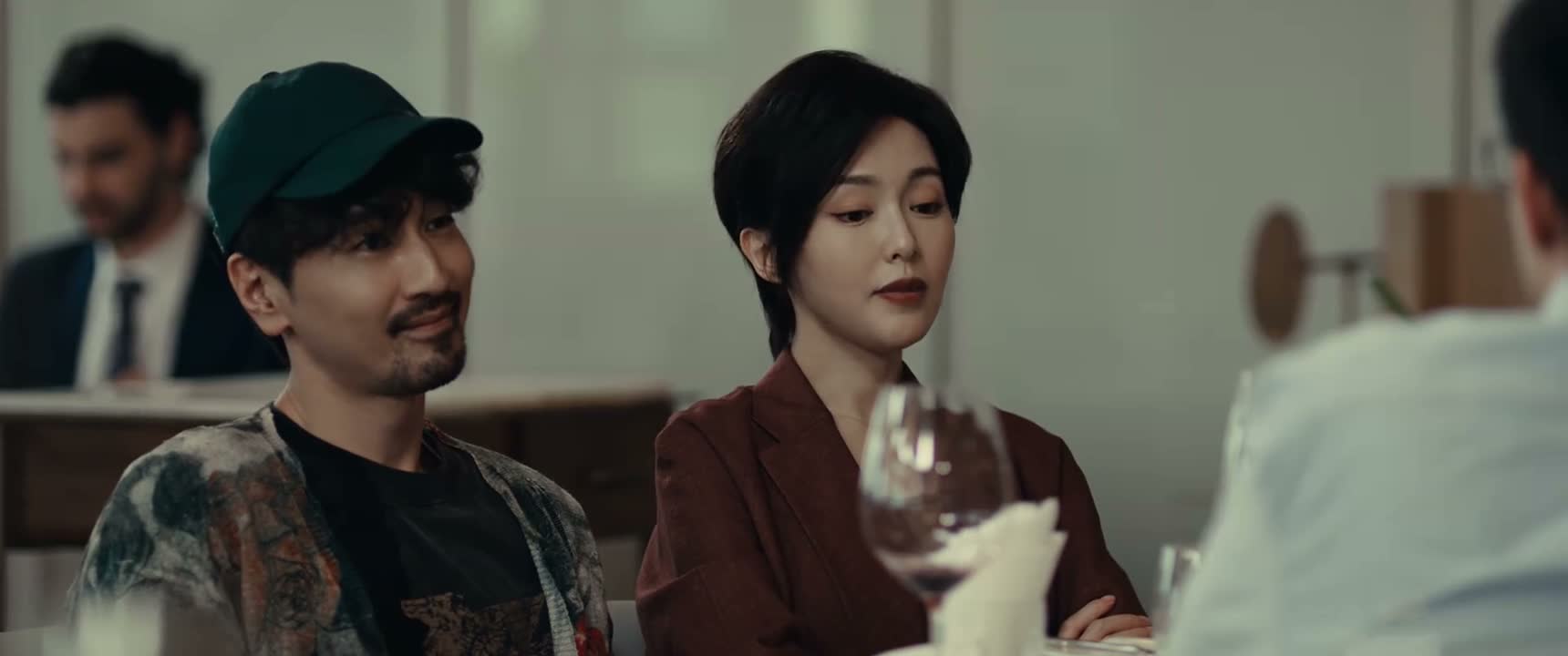
“Just focus on getting over the hill in front of you first.”
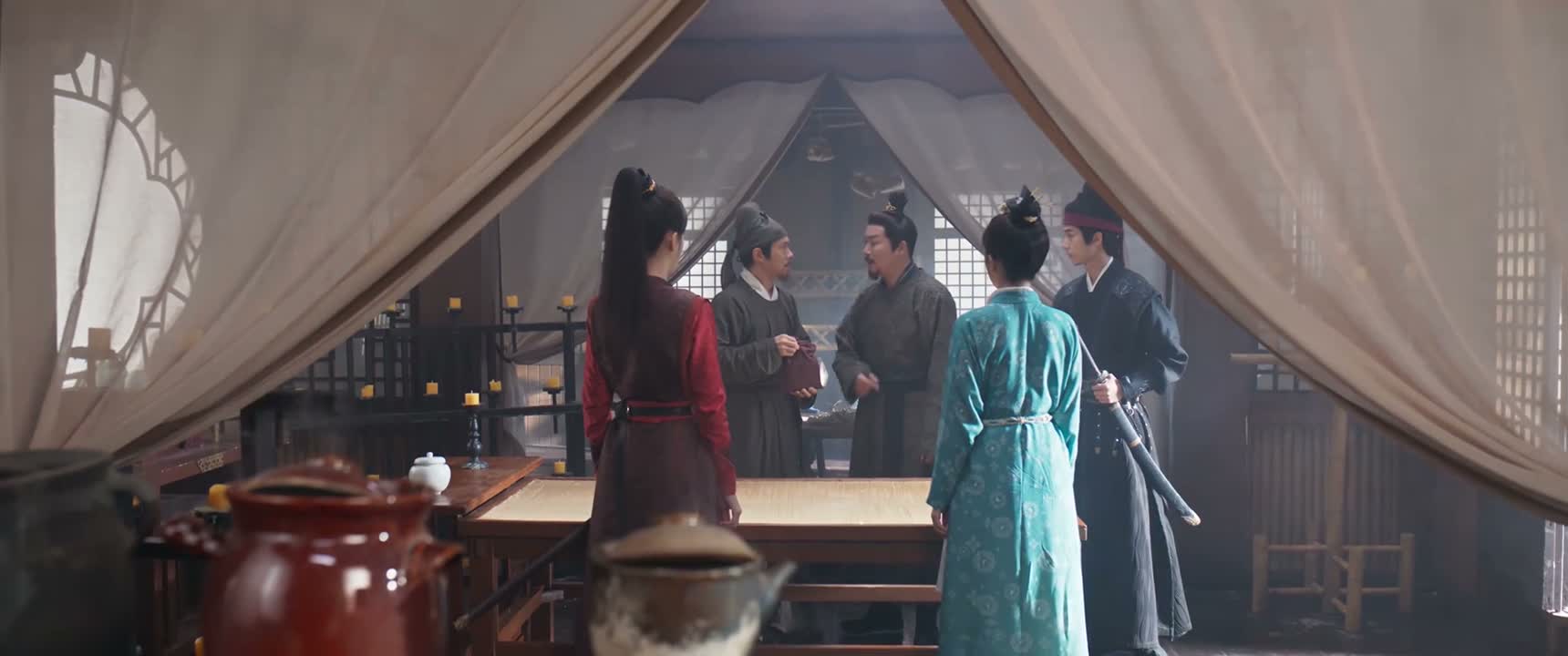
“The herb seller said there are still plenty on the innermost rock face”
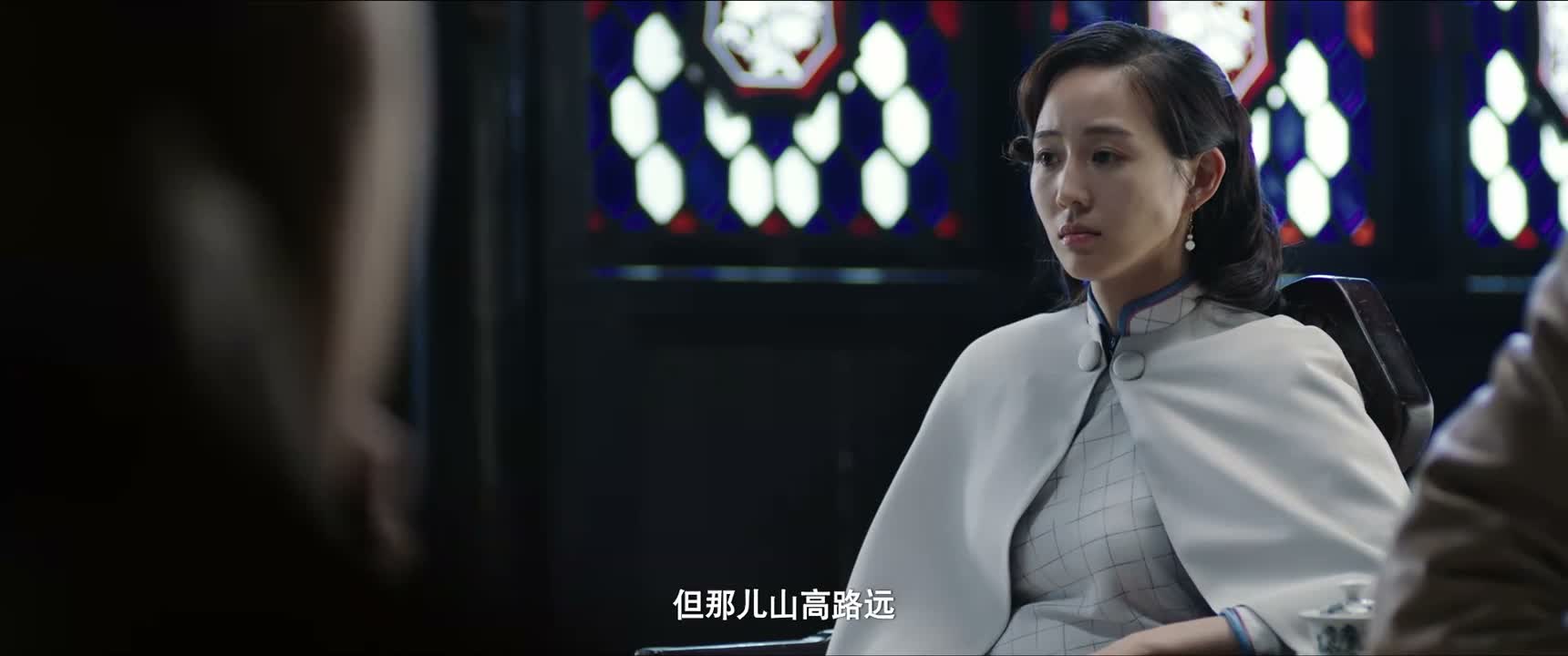
“But that place is remote, with high mountains and long roads.”

“I'll follow you to the ends of the earth.”

“You see that one over there?”

“It should have an unobstructed view,”