把娃解放了 让娃准备戏 好 好
“- Okay. - Free the kid up. Let her get ready. Sure.”
THE DIALOGUE REEL
太好了嘛 那个我叫两个帮厨一会儿就到啊 好
“That's wonderful! I called two helpers. They'll be here soon. - Okay. - Free the kid up.”
把娃 解放了 让娃准备戏 好 好
“- Okay. - Free the kid up. Let her get ready. Sure.”
娃
“Kid.”
Direct spoken expression in this communicative setting.
In dialects and northern colloquial Chinese, this term refers to a child, junior, or young apprentice. In theatrical troupes and production crews, seniors often use it as an affectionate form of address for younger members.
LEARNING CHUNKS & PARTICLES
to relieve or free someone from tedious or heavy chores
Colloquially used figuratively to mean freeing someone from their immediate tasks so they can focus on more important work.
to prepare for a performance, rehearsal, or dramatic scene
In the performing arts industry, it commonly refers to actors and crew getting ready for upcoming stage or on-screen scenes.
VOCABULARY & EXPRESSIONS
Parallel Spoken Cinema Scenes (语义近邻切片)
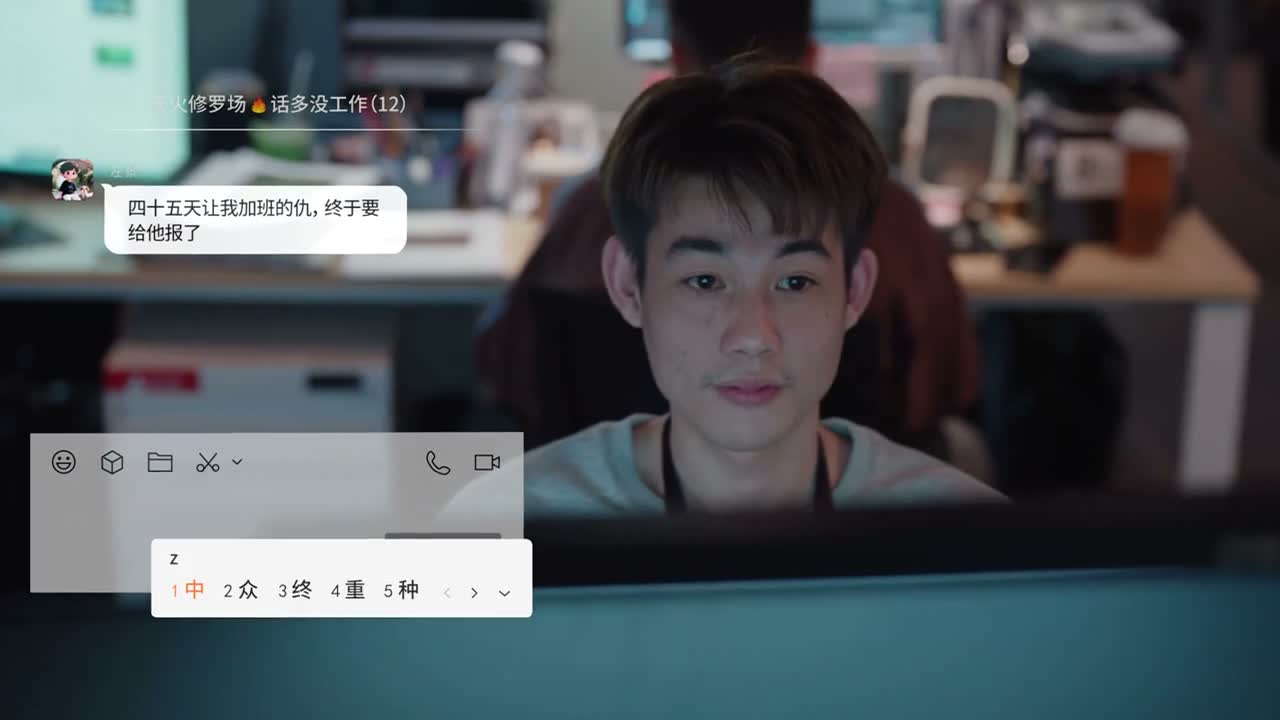
“(We're finally going to be free.)”

“Let me go! My Lady.”

“Let me go! Where are you taking me?”

“Let go of me! Say it to me again! Useless! You are useless!”

“Take the kid back. Tell him not to come back. Who are you?”

“Let go of me! You bad guy!”