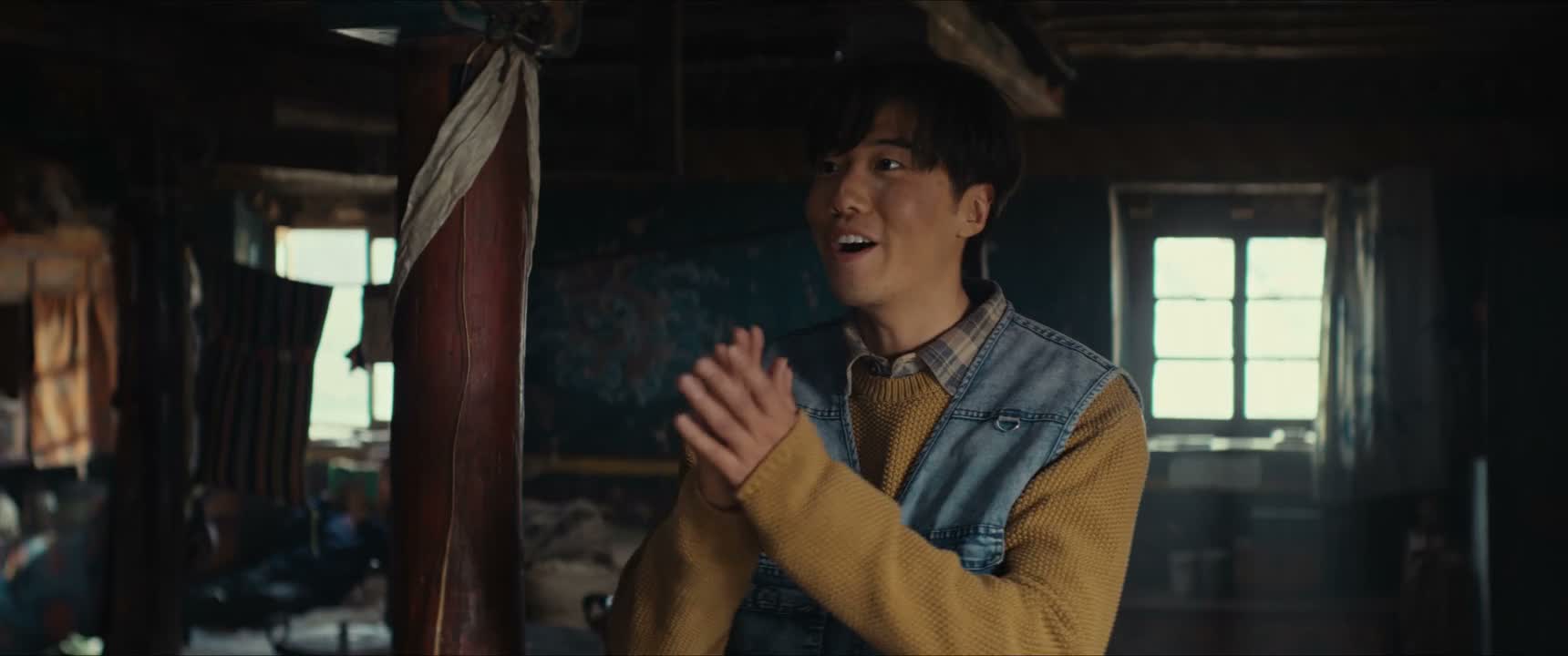
嫽(好)啥呢嘛 你说她烧火好 我信
“Good my foot. I believe she stokes fires well.”
THE DIALOGUE REEL
“I've seen her skills. Really good.”
嫽(好)啥呢嘛 你说 她烧火好 我信
“Good my foot. I believe she stokes fires well.”
你说她切菜好 我信 你说她比宋师傅做饭好
“I believe she chops veggies well. If you say she outcooks Master Song,”
“Good at what? She's only fit for stoking the fire, definitely not cooking.”
A Shaanxi dialect term meaning 'good' or 'terrific.' It frequently appears in films and TV dramas depicting the Guanzhong region and surrounding Shaanxi dialect areas (such as 'The Stage' and 'White Deer Plain').
Reflects the strict division of labor in traditional Chinese professional kitchens. Stoking the stove fire and chopping vegetables are tasks for apprentices or kitchen hands, worlds apart in culinary standing from the head master chef who actually works the wok and ladle ('zhang shao').
LEARNING CHUNKS & PARTICLES
Expresses a strong refutation or denial of the other person's viewpoint, roughly meaning 'how on earth could...' or 'what do you mean...'.
A high-frequency colloquial rebuttal pattern with a strong regional dialect flavor (such as Northwestern Mandarin), conveying dismissal or skepticism.
Indicates qualified agreement with one specific point, laying the groundwork for a subsequent turn or full refutation.
A common conversational concession strategy in arguments, often used to create a stark contrast with the dubious claim that follows.
A compound modal particle that intensifies rhetorical questioning and dismissiveness, heightening the tone of denial.
VOCABULARY & EXPRESSIONS
Parallel Spoken Cinema Scenes (语义近邻切片)
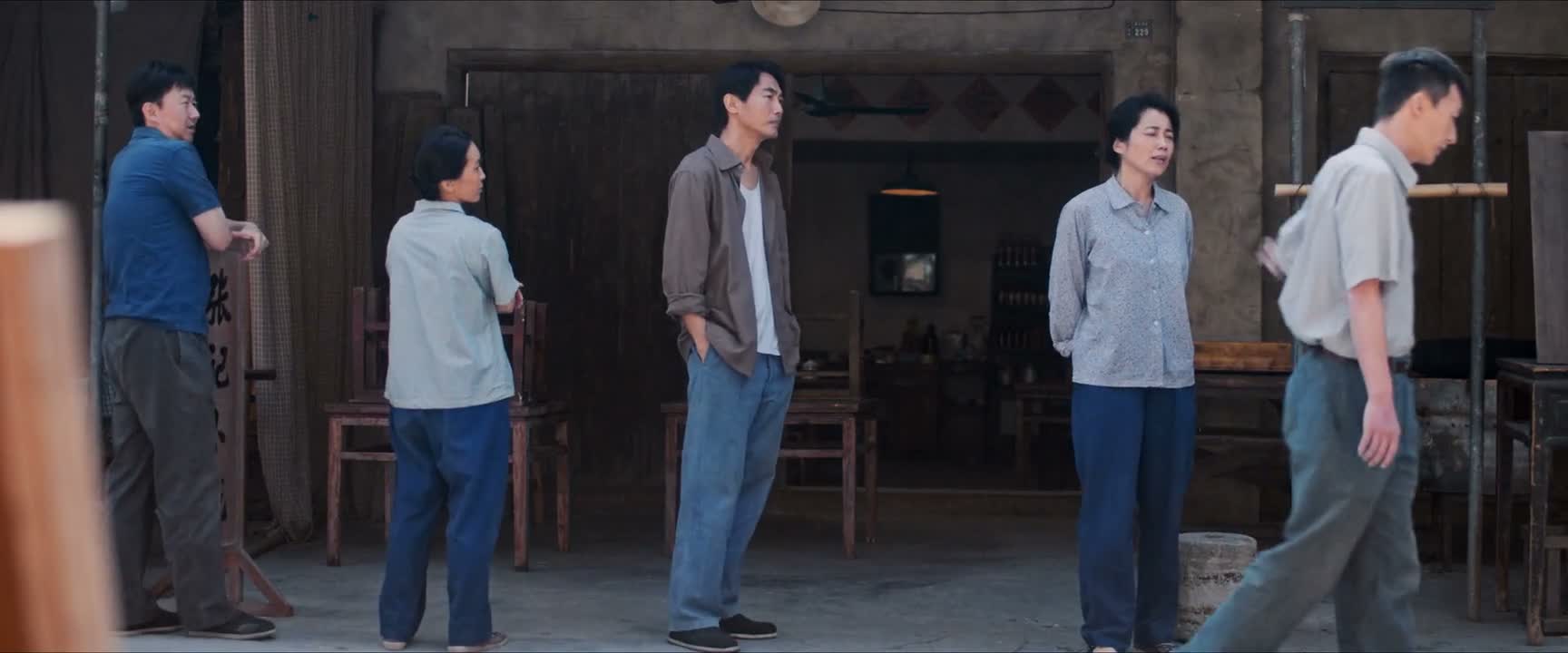
“Okay. What is there to think about?”
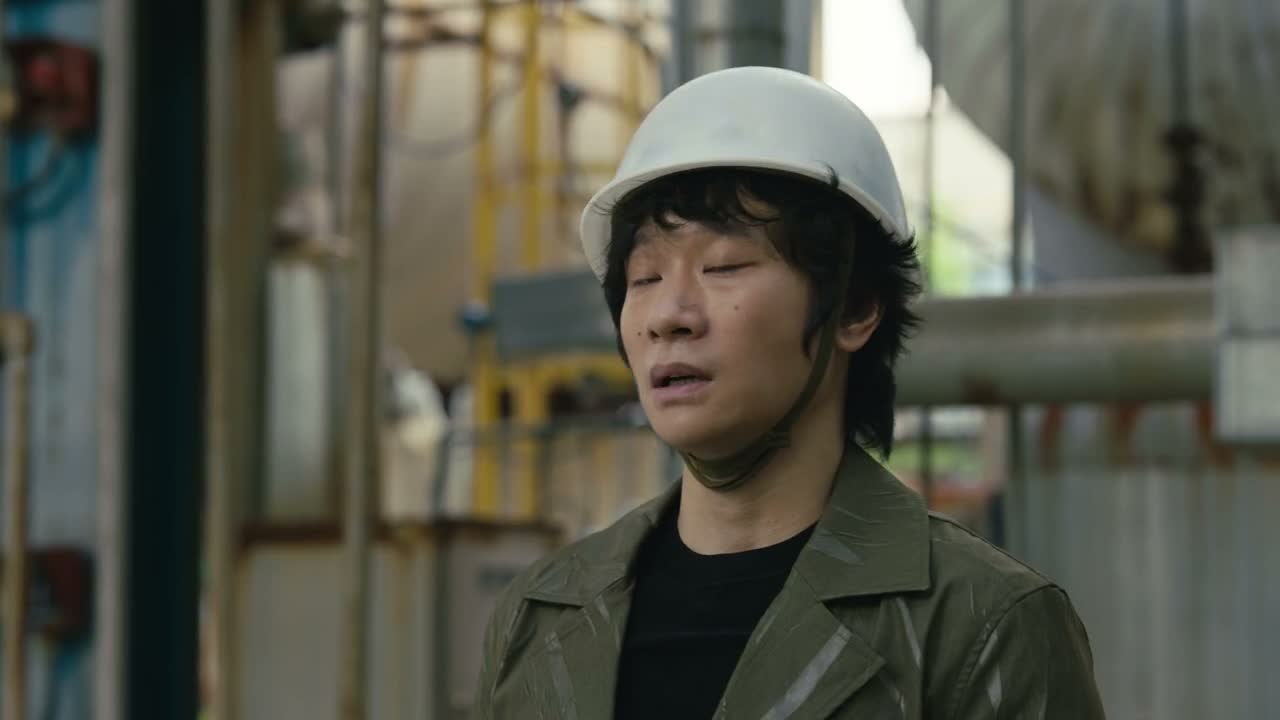
“Okay. Let me ask you a presumptuous question then.”
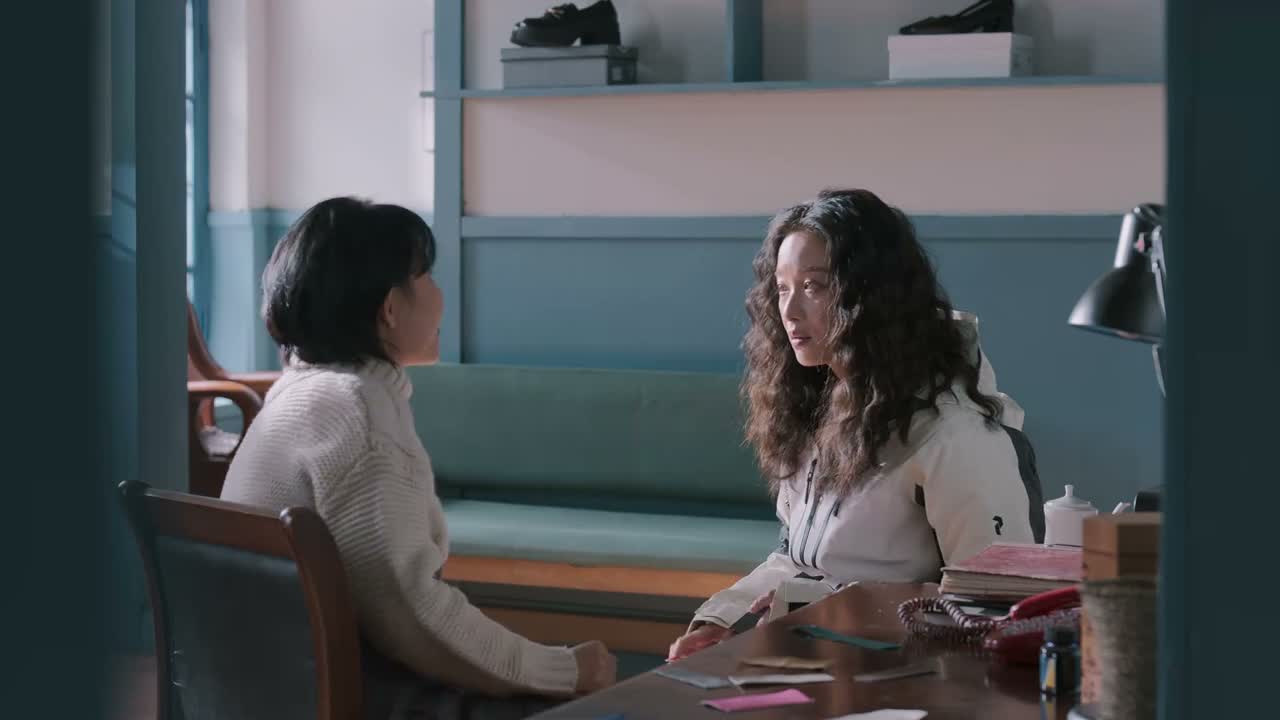
“Actually, she did. Let me find them for you. Alright.”

“This pot is ready. I'll call you later.”
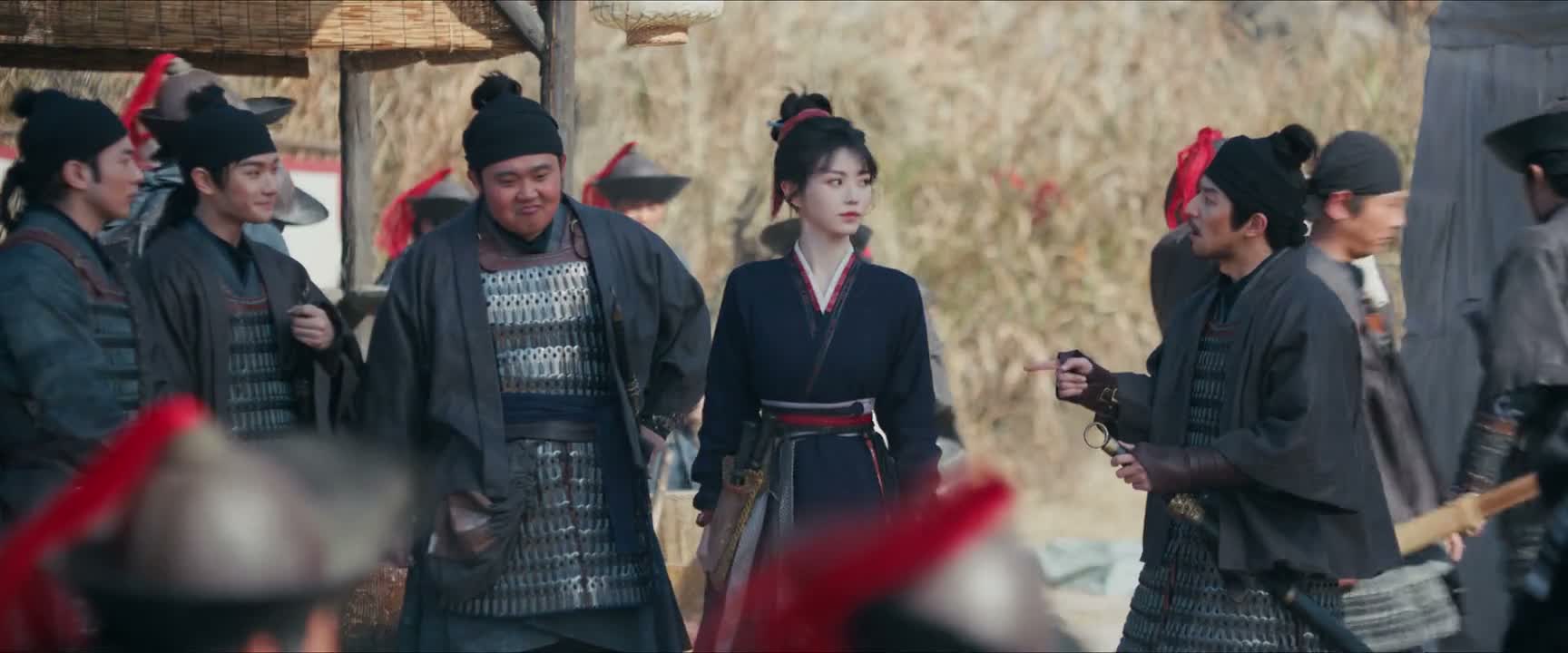
“That's a good idea. Let's ask together.”
“Good. Good. Good. That's great!”