馍 你想啥呢 你这是
“Mo. What's on your mind?”
THE DIALOGUE REEL
馍
“Mo.”
馍 你想啥呢 你这是
“Mo. What's on your mind?”
好 行
“Alright, okay.”
“Here's your bread. What's on your mind? Earth to you, snap out of it!”
A general term in northern China for steamed buns or various flatbreads (such as in 'rou jia mo' or 'yang rou pao mo'). As a quintessential northern staple food, it often evokes warm, down-to-earth family gatherings and everyday dining scenes.
LEARNING CHUNKS & PARTICLES
what are you thinking / daydreaming
A high-frequency colloquial expression, commonly used to prompt someone who seems absent-minded or lost in thought, or to playfully tease someone about having unrealistic thoughts.
what are you up to / what's going on with you
A colloquial truncated pattern where the following adjective or verb is omitted, used to express curiosity or mild confusion about someone's unusual behavior or state.
Used at the end of a question to make the inquiry sound natural and friendly, conveying a gentle prompt for an answer.
VOCABULARY & EXPRESSIONS
Parallel Spoken Cinema Scenes (语义近邻切片)
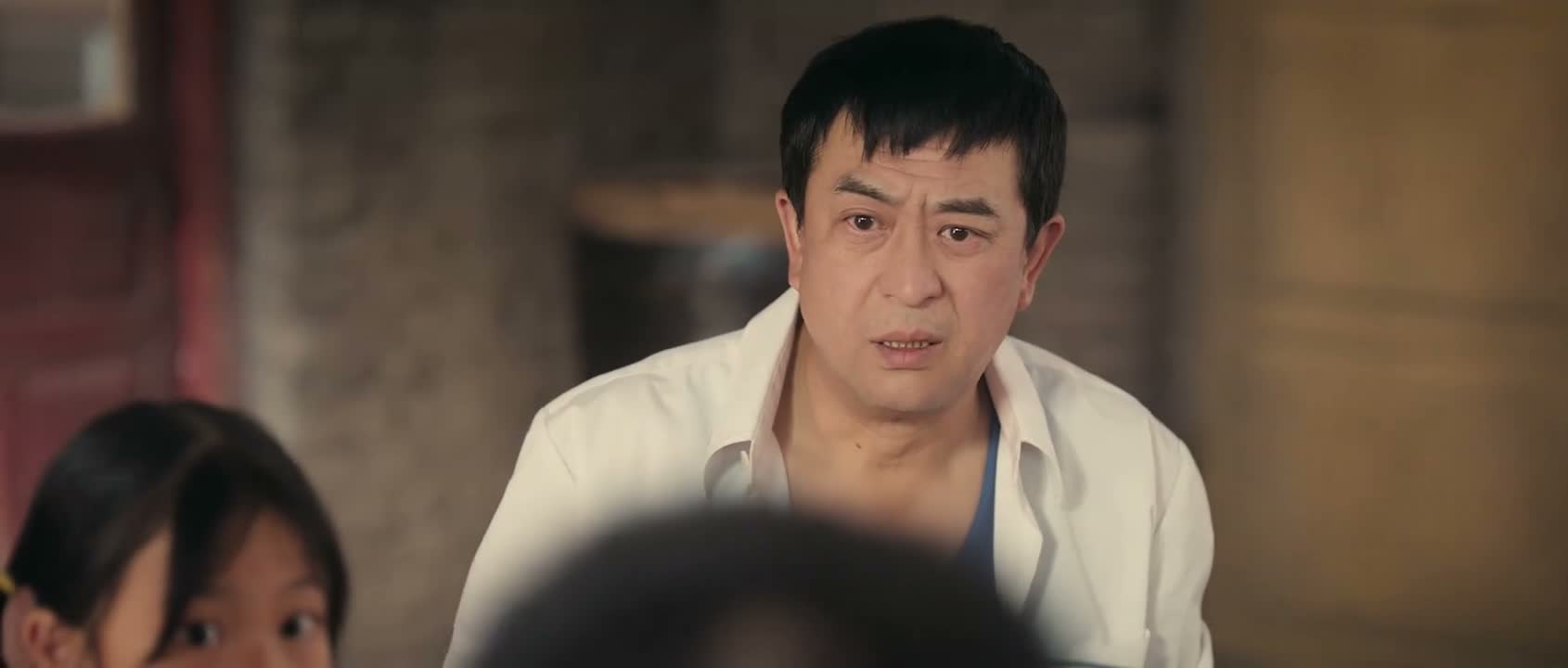
“Why watch a kid eat steamed buns?”

“Yeah, we still want to taste what kind of bun is so magical”
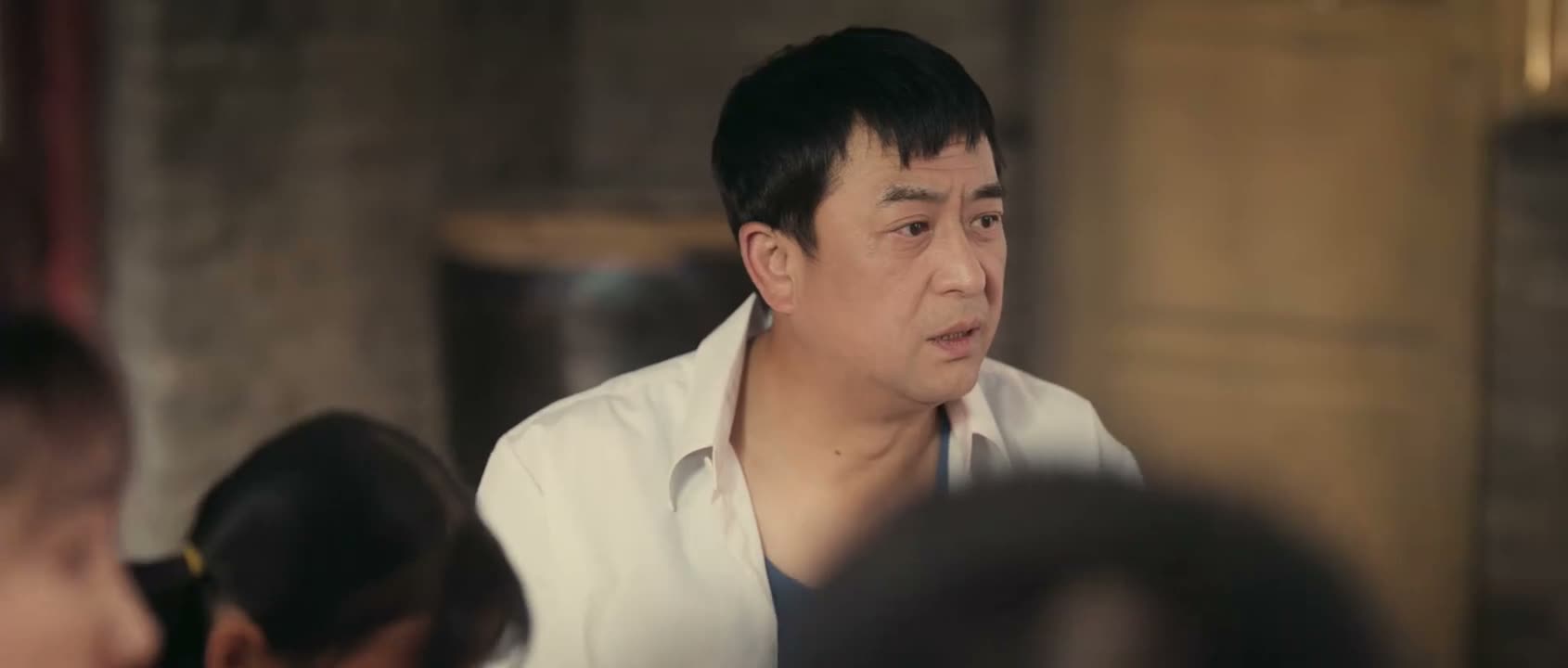
“What are you all looking at? Watching the kid eat.”

“What are you looking at? Serve the food! To stand out,”
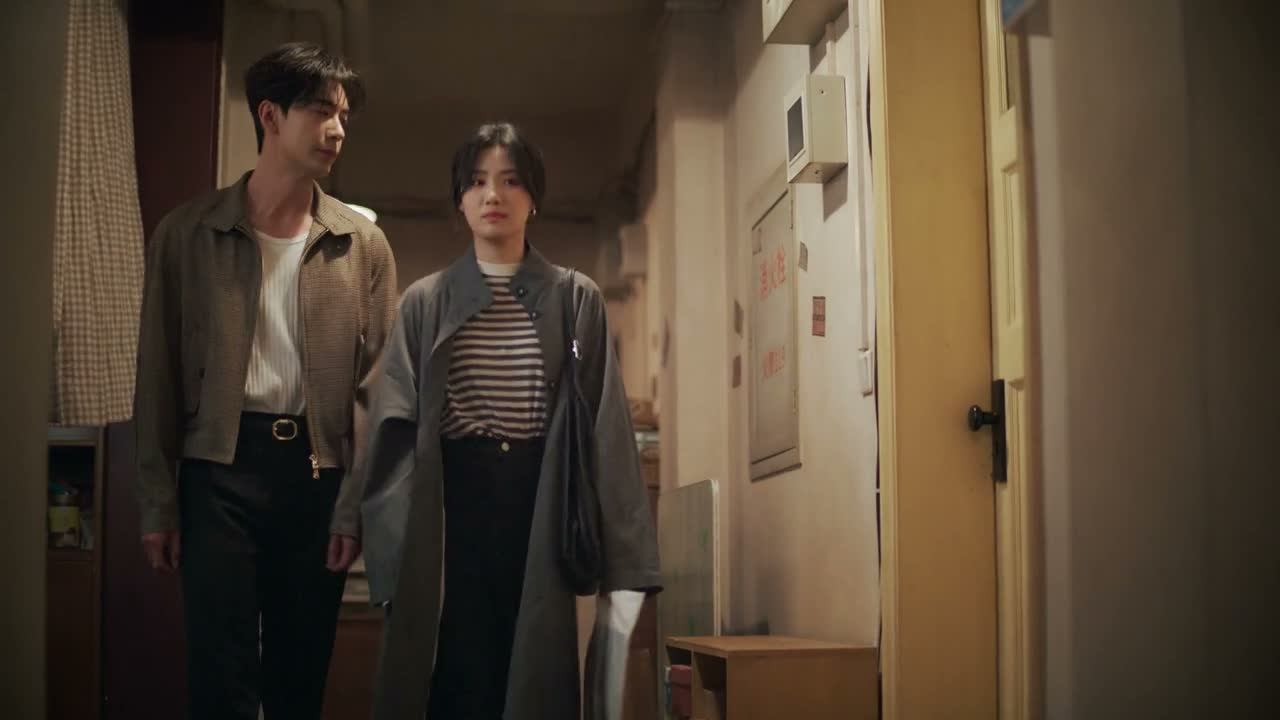
“Well then, what would you like to eat?”

“Why only two black Mo? Hurry up for the food! Wait for me.”