情况我不了解 我还不了解你吗 朱继儒
“I may not know the situation. But I know you, Zhu Jiru.”
THE DIALOGUE REEL
我们团的事 你不了解
“You don't know about our troupe.”
情况 我不了 解 我还不了解你吗 朱继儒
“I may not know the situation. But I know you, Zhu Jiru.”
你就说 行不行吧
“Just tell me, yes or no?”
“Don't try to brush me off with excuses—I know you inside out.”
In conversations between acquaintances or colleagues, abruptly addressing someone by their full name (e.g., 'Zhu Jiru') indicates seriousness, drops polite pretenses, and applies psychological pressure.
LEARNING CHUNKS & PARTICLES
as if I don't...; expresses strong certainty or a rhetorical challenge
A rhetorical question structure commonly used to refute an excuse, emphasizing that the speaker knows someone or something inside out.
Used at the end of a sentence to form a rhetorical question, reinforcing certainty and an interrogative tone that the speaker knows the other person thoroughly.
VOCABULARY & EXPRESSIONS
Parallel Spoken Cinema Scenes (语义近邻切片)
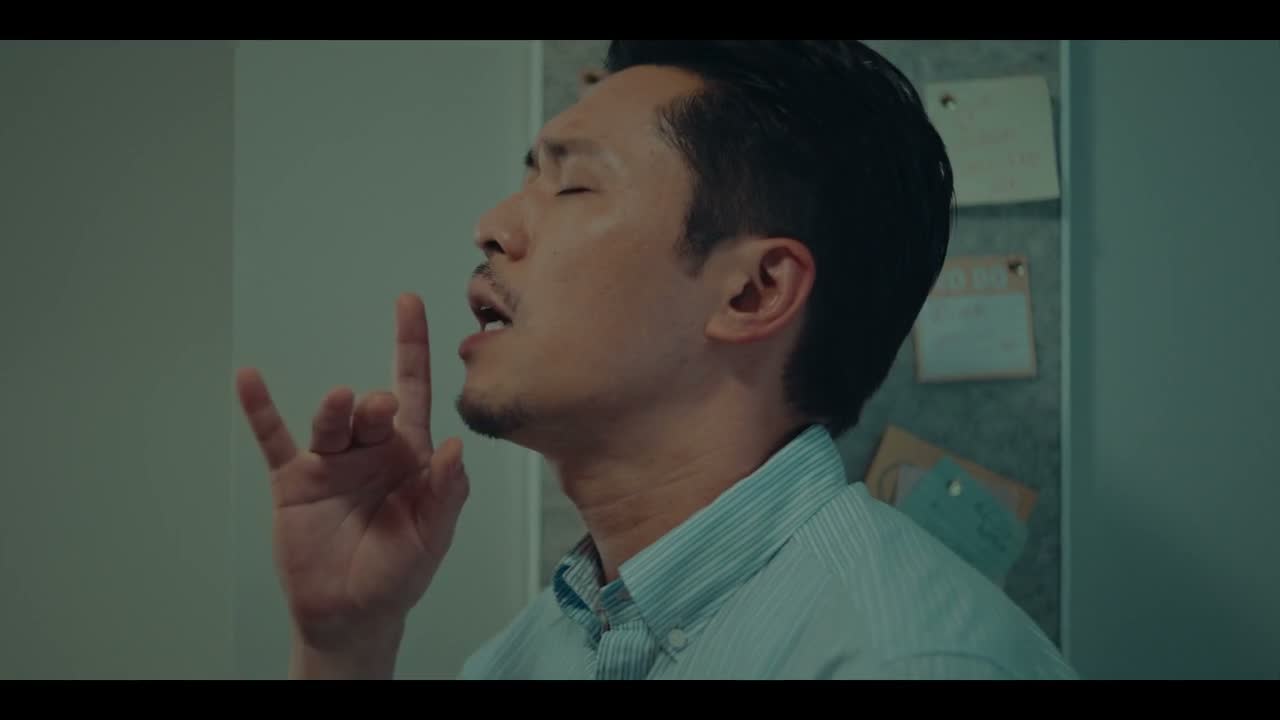
“- Just drop it. - I know exactly how you see me.”

“I just don't know. I don't care what you say.”

“I... I'm not sure.”

“You know me. If I don't do it, I don't.”

“I don't know either. It's just a guess.”

“Got it. I was just trying to make you smile.”

“I don't know about others, but I know Xiu well.”

“What else don't I know about you?”