你还挺虚荣的呀 我丢脸嘛我
“little girl. I just feel embarrassed.”
THE DIALOGUE REEL
小朋友
“You are quite a vainglorious,”
你 还挺 虚荣 的呀 我 丢脸 嘛我
“little girl. I just feel embarrassed.”
初恋 别别别 咱俩一点谈恋爱 该干的事都没干啊
“That was my first love. Stop it, we didn't do anything that should be done in a relationship.”
“Are you saying you'd be embarrassed to be with me? Am I really that beneath you?”
'Lian' (face) in Chinese culture represents personal dignity and social respectability. 'Diu lian' is commonly used to describe feeling embarrassed or losing dignity, and between close acquaintances it often serves as humorous banter to playfully test emotional boundaries.
LEARNING CHUNKS & PARTICLES
Surprisingly quite... / rather...
Used in spoken Chinese to express mild surprise at an unexpected degree or to tease someone lightly, as in 'ni hai ting cong ming de' ('You are actually pretty smart').
A rhetorical question meaning 'Am I really embarrassing you?'
An inverted rhetorical pattern where the subject 'wo' ('I') is repeated at both the beginning and end, highly colloquial and used to strongly emphasize self-defense and frustration.
Softens the sentence-final tone, giving the teasing accusation of vanity a playful and affectionate nuance rather than genuine hostility.
Used in a rhetorical question to highlight what the speaker sees as obvious, conveying an aggrieved or defensive tone.
VOCABULARY & EXPRESSIONS
Parallel Spoken Cinema Scenes (语义近邻切片)

“You can consider me vain”

“I just feel so embarrassed.”
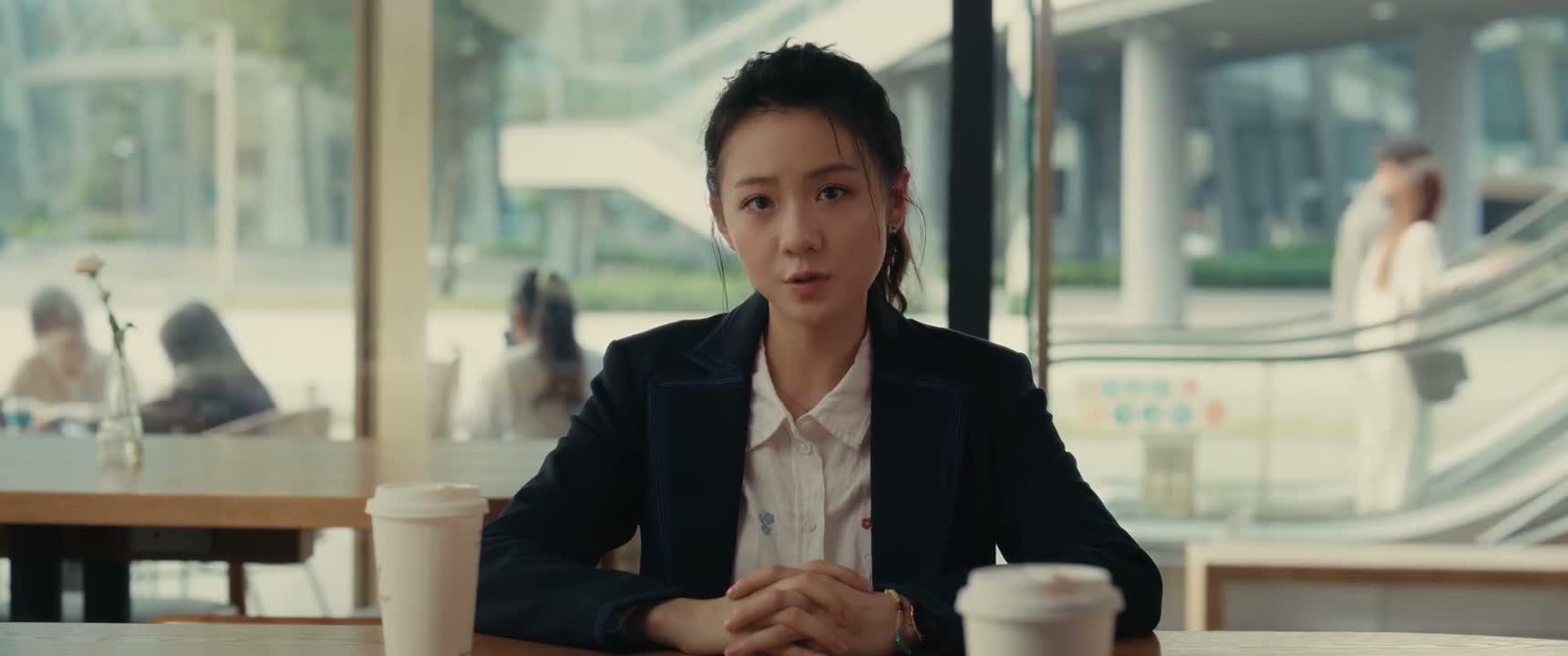
“Because I think you're hypocritical.”
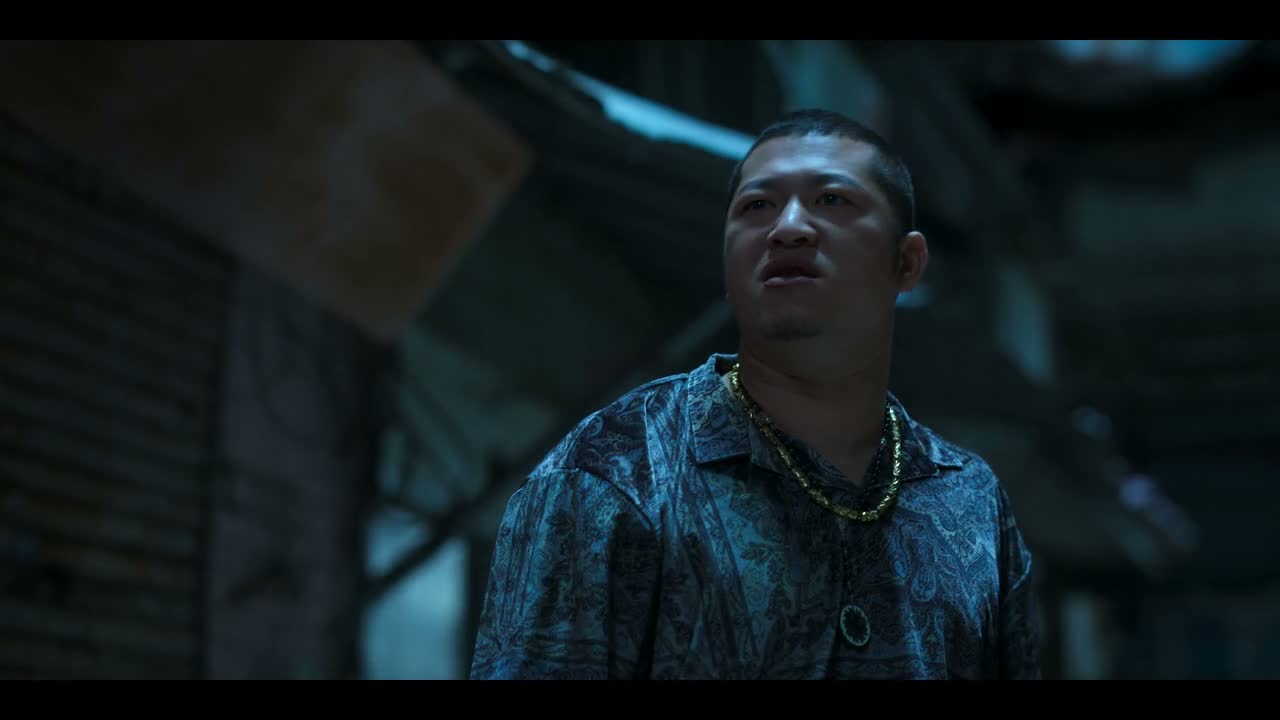
“This is such a mess.”

“It was just my vanity. I hate myself for it.”

“I've completely embarrassed myself.”