丢脸真的丢大了
“I've completely embarrassed myself.”
THE DIALOGUE REEL
谁知道行贿的人是江峰
“who knew the one offering the bribe would be Jiang Feng.”
丢脸 真的 丢大 了
“I've completely embarrassed myself.”
这次估计把那法官都得罪完了
“This time I've probably offended the judge too.”
Direct spoken expression in this communicative setting.
In Chinese culture, losing face is not just personal embarrassment but can permanently damage credibility, networks, and professional standing.
LEARNING CHUNKS & PARTICLES
to lose face; to be humiliated
A primary everyday phrase used when someone suffers public embarrassment or damages their reputation.
to suffer a massive loss of face
Colloquial structure where '大了' acts as a complement indicating an extreme degree of embarrassment.
Indicates the culmination of an event and adds emotional finality to the humiliating situation.
VOCABULARY & EXPRESSIONS
Parallel Spoken Cinema Scenes (语义近邻切片)
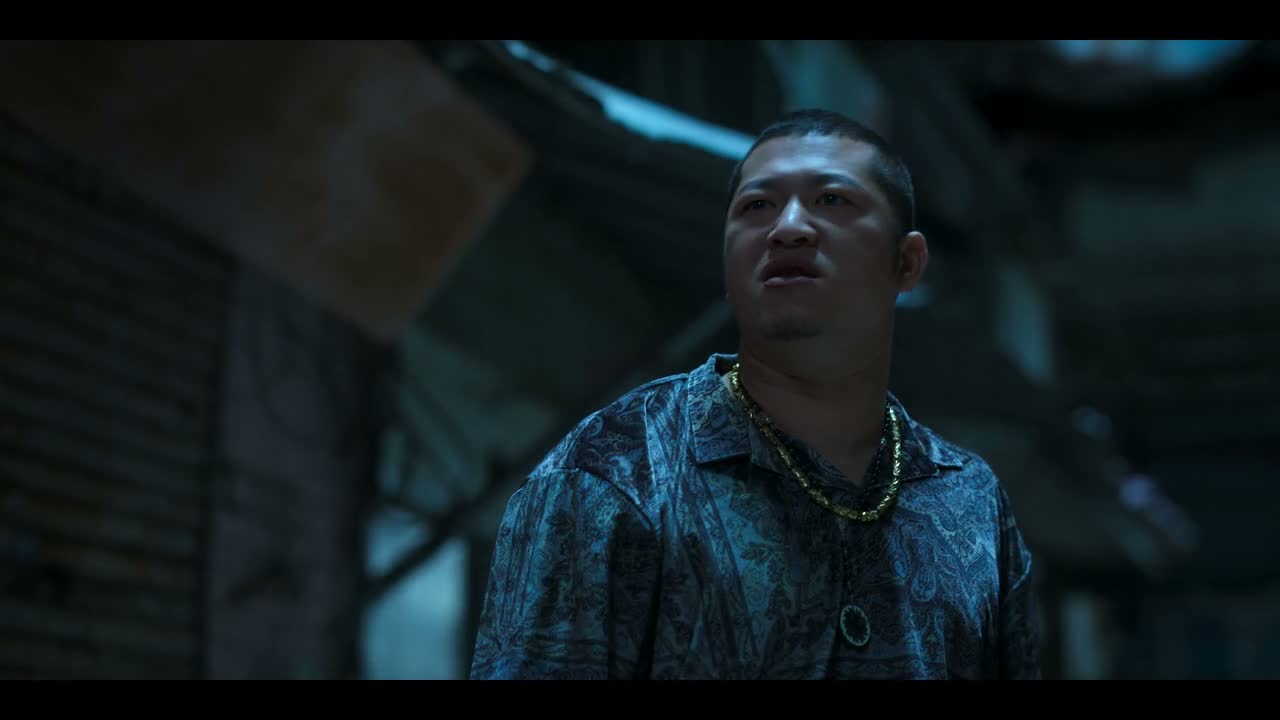
“This is such a mess.”

“I will be utterly humiliated.”

“I just feel so embarrassed.”

“that I was a real disgrace.”
“the company's shareholders.”

“It's humiliating if word gets out. Alright.”

“make a fool of myself in public for you.”