田先生 快来 快来 快来 上座 上座
“Mr. Tian. Come here. Come here. Have a seat. Please.”
THE DIALOGUE REEL
那日本人呢
“What about the Japanese?”
田先生 快来 快来 快来 上座 上座
“Mr. Tian. Come here. Come here. Have a seat. Please.”
“I've prepared a pot of old wine and some dishes.”
“Mr. Tian, please come over right now and take the seat of honor!”
In traditional Chinese dining culture, seating arrangements strictly reflect social hierarchy. The seat facing the main entrance or positioned centrally is typically the 'shang zuo' (seat of honor), reserved for elders, superiors, or the most distinguished guests. Inviting someone to take the 'shang zuo' is an expression of the highest courtesy and respect.
LEARNING CHUNKS & PARTICLES
seat of honor; to take or invite someone to take the seat of honor
Commonly used as polite etiquette when hosting guests, often verbalized as 'qing shang zuo' (please take the seat of honor) to show great respect.
come quickly; come over right away
Repeated consecutively in spoken Chinese (such as 'kuai lai kuai lai') to convey enthusiastic welcoming and an eager invitation.
VOCABULARY & EXPRESSIONS
Parallel Spoken Cinema Scenes (语义近邻切片)
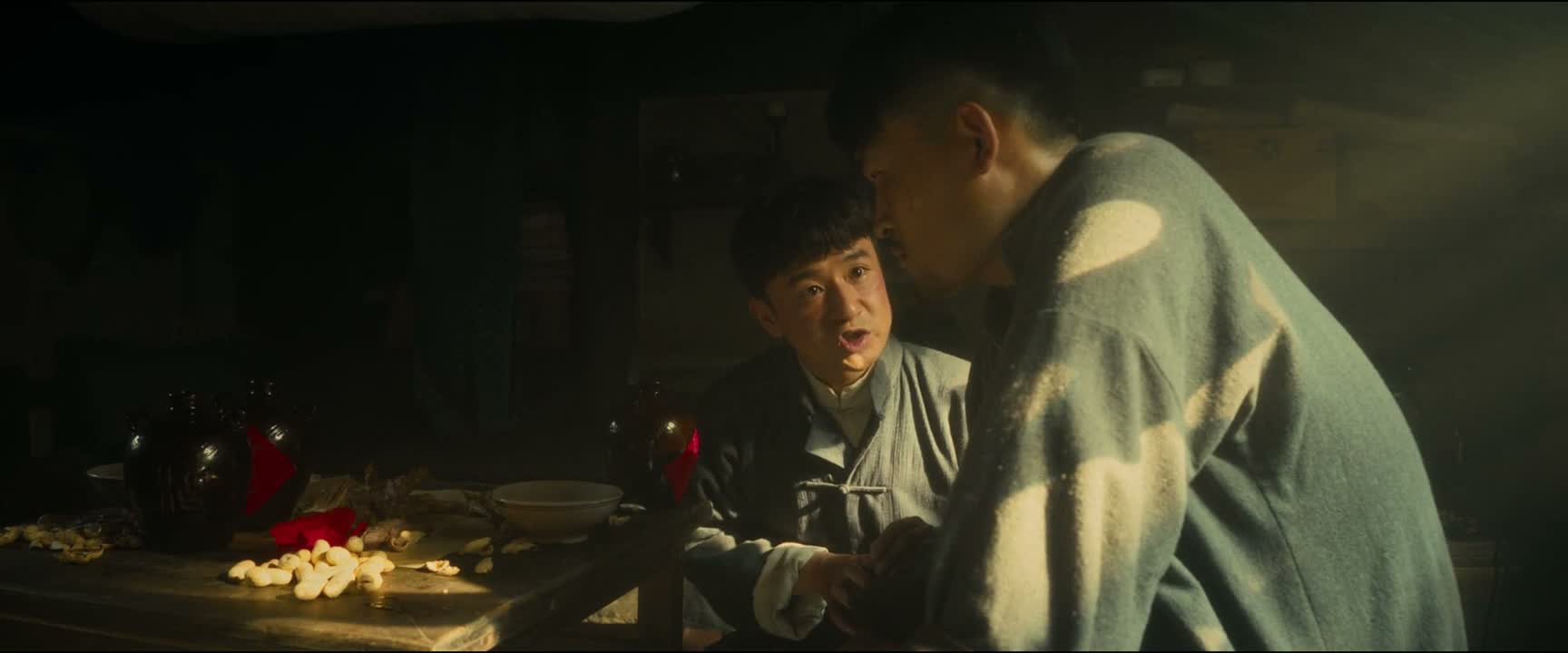
“Mr. Tian is very smart and educated.”
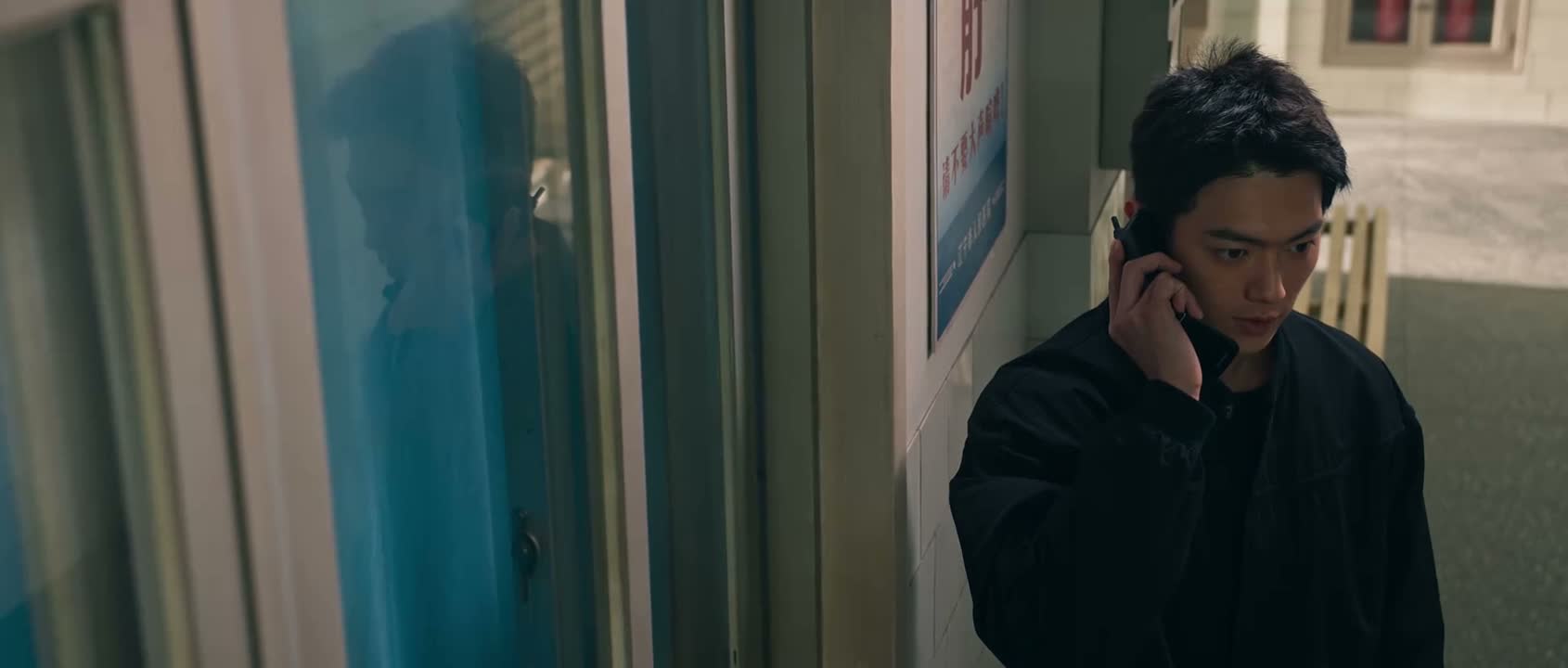
“Mr. Tian left early this morning.”
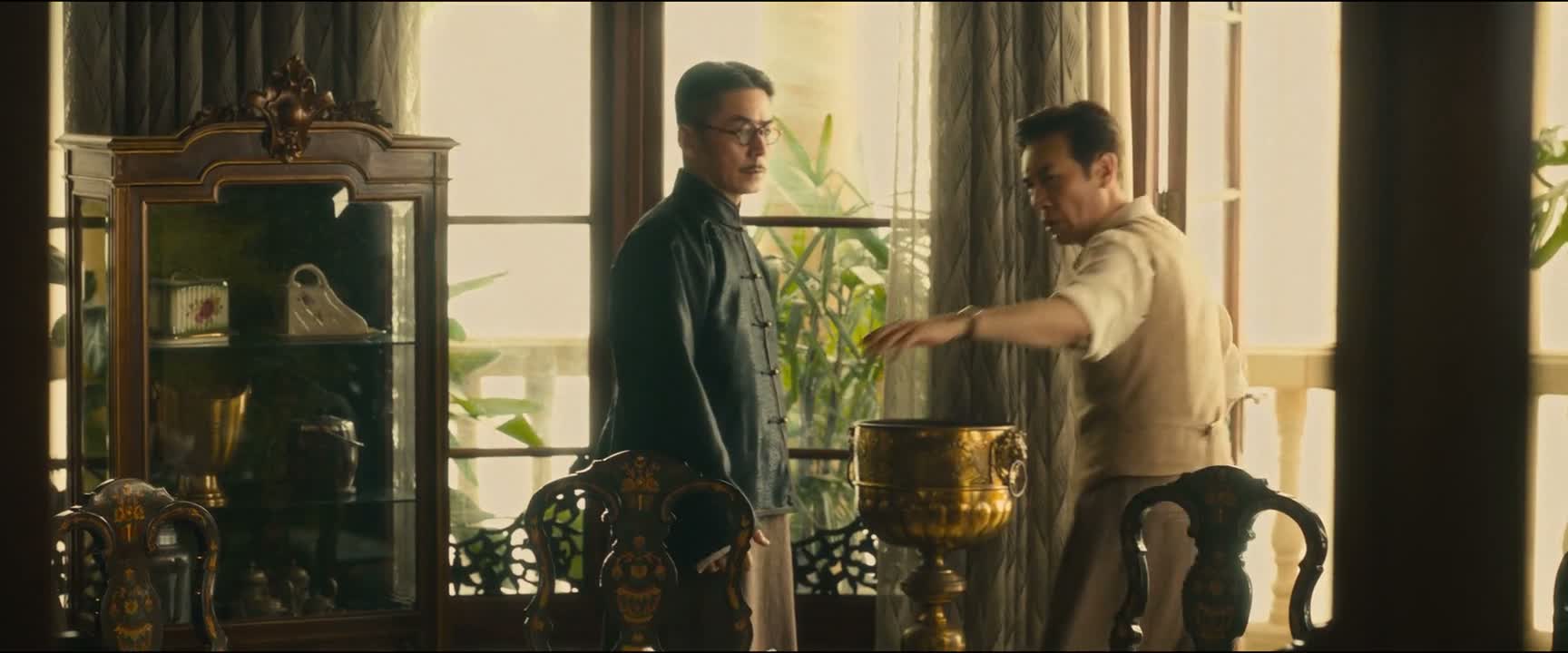
“Mr. Tian. Let him go. Mr Tian! Mr Tian!”
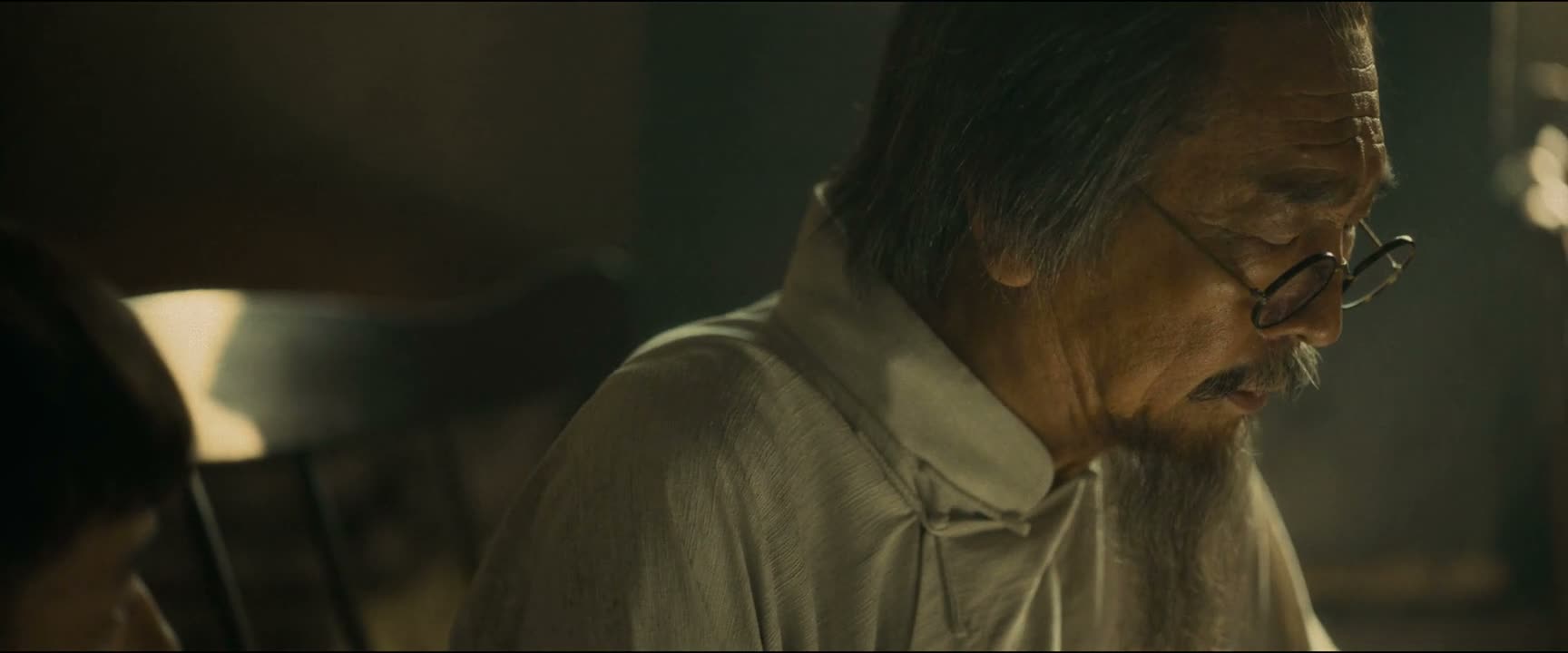
“Mr. Tian already explained to me.”
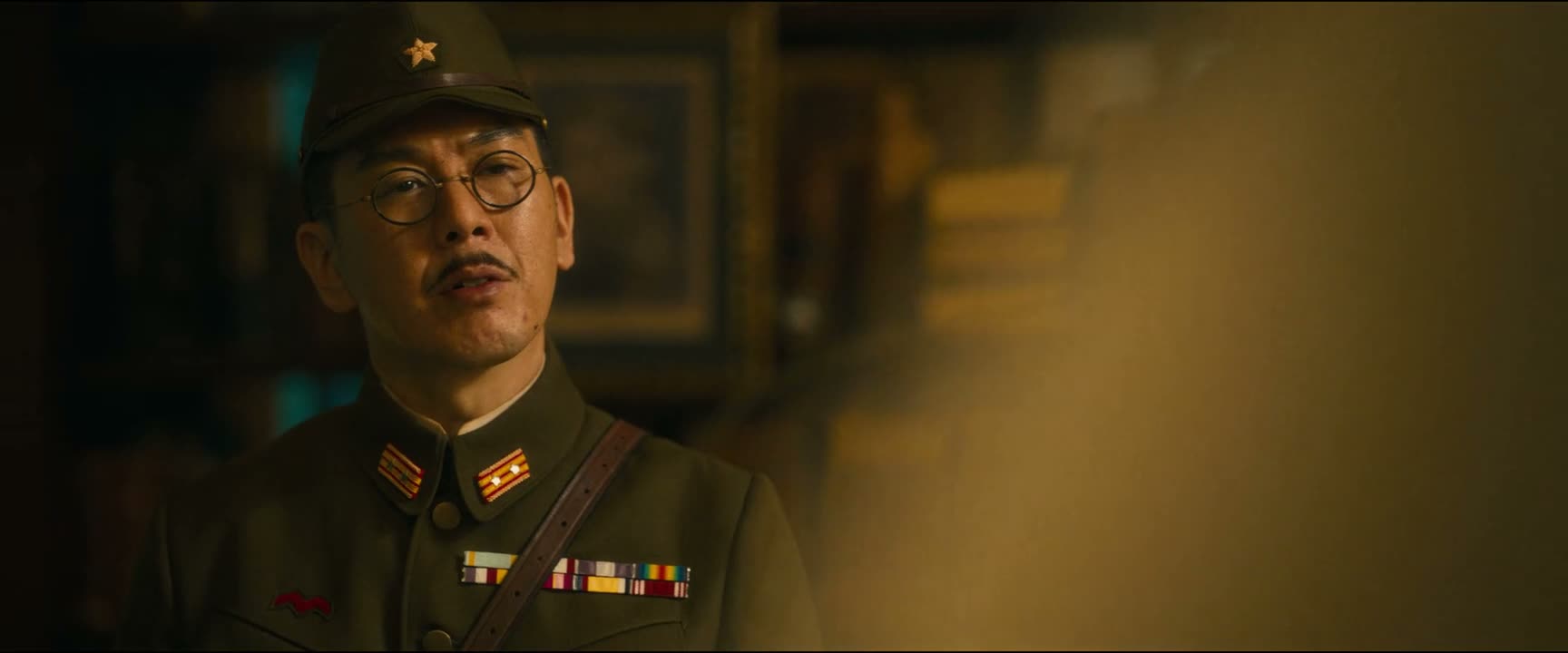
“Mr. Tian, do you have to act like a child”
“Mr Tian. It's me. Stop him!”