又不是挖墙脚 见不着光
“It's not like cheating in secret.”
THE DIALOGUE REEL
说不上背叛吧
“I wouldn't call it betrayal.”
又不是 挖墙脚 见不着光
“It's not like cheating in secret.”
你俩不合适
“You two didn't match.”
“I'm not doing anything shady or stealing anyone away, so stop guilt-tripping me.”
In contemporary Chinese social culture, 'wa qiang jiao' (poaching someone else's partner or talent) carries a strong moral stigma, violating norms of trust among friends or broader social ethics. The speaker vehemently denies 'poaching' to avoid social condemnation for betraying friends or lacking moral integrity.
LEARNING CHUNKS & PARTICLES
Metaphor for undermining someone, or poaching a key person or romantic partner from a competitor or another person.
A high-frequency colloquial idiom. In the workplace, it means poaching core talent; in romantic contexts, it specifically refers to intervening in someone else's relationship to steal their partner.
Describes something dishonorable, shady, or improper that cannot be brought into the open.
Commonly used colloquially to criticize underhanded or illicit behavior, or in negative constructions (such as 'you bu shi jian bu zhe guang') to assert that one's actions are entirely upright and aboveboard.
VOCABULARY & EXPRESSIONS
Parallel Spoken Cinema Scenes (语义近邻切片)

“could you please vary your poaching tactics?”

“He's not trying to poach her, is he?”

“So it was Ji Ya who poached her.”

“I heard someone's trying to poach your executive with high salaries.”
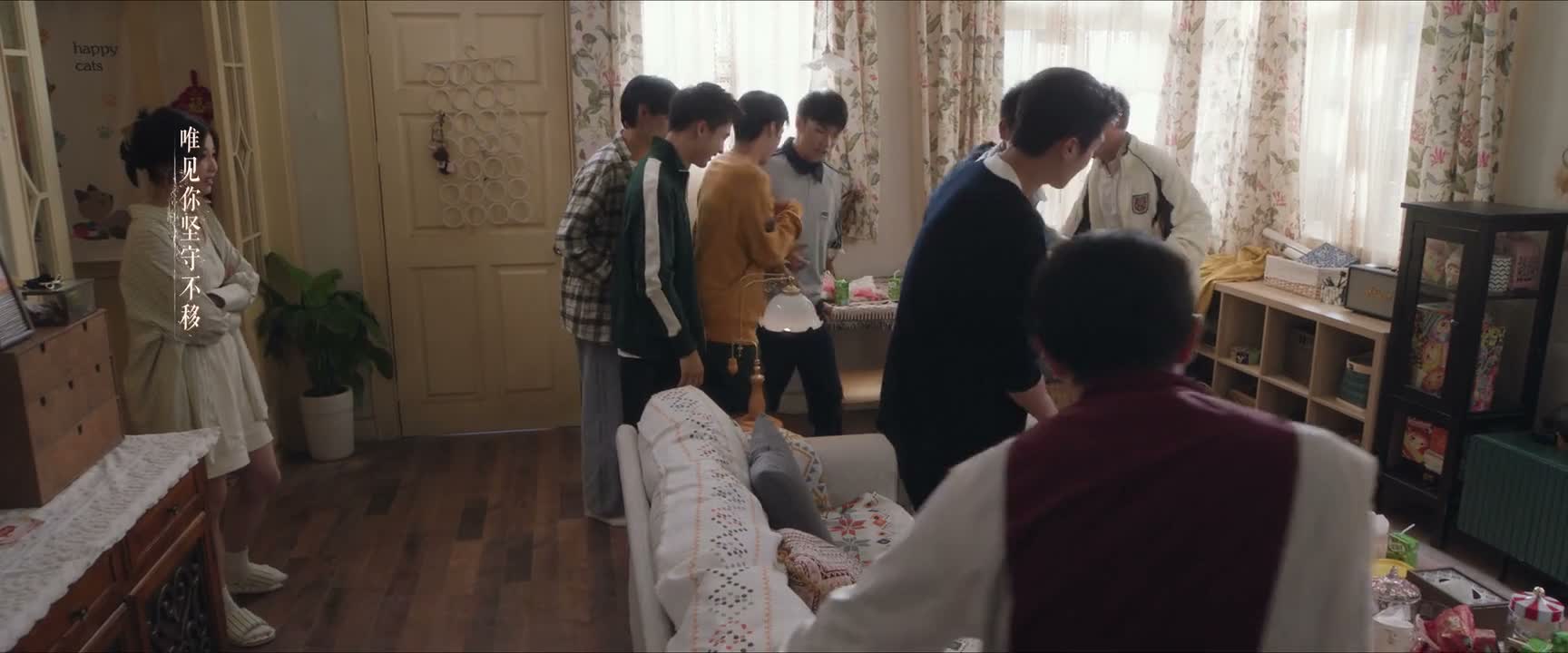
“♪ I witnessed your persistence ♪ Weren't you poached?”

“(Who knows if this is another trap)”