那您让她走吧 我照顾您好不好 爸
“Tell her to leave. Let me take care of you, okay, Dad?”
THE DIALOGUE REEL
你都做手术了 我这个当女儿的 就该天天在你身边
“you just had a surgery. As your daughter, I should stay with you every day.”
那您 让她走吧 我 照顾您 好不好 爸
“Tell her to leave. Let me take care of you, okay, Dad?”
他又说什么了
“What's he saying now?”
“Please get rid of her. I don't trust her being here with you, and it's my duty and right as your daughter to take care of you.”
In traditional Chinese culture, attending to sick or hospitalized parents at their bedside is viewed as a vital expression of filial piety. In blended families or scenarios involving third parties (such as professional caregivers, stepmothers, or non-blood relatives), conflicts over who has the right to care for the parent often mirror deeper struggles over familial authority, emotional trust, and inheritance.
LEARNING CHUNKS & PARTICLES
A sentence-final pattern used to ask for the other party's agreement, discuss something, or plead.
Frequently used in spoken Chinese by younger family members acting playfully or pleading with elders, or between intimate partners to negotiate gently.
To look after; to care for (usually referring to daily life assistance or nursing during an illness).
A high-frequency verb commonly used to describe caring responsibilities among family members or patient nursing.
Used at the end of an imperative sentence to soften the request or urge to 'let her leave', making the tone gentler and more polite.
VOCABULARY & EXPRESSIONS
Parallel Spoken Cinema Scenes (语义近邻切片)

“And you just let her go? What should I do?”

“She's taking care of the child. You should rest assured. Do we have to leave?”

“Mom, please ask her to wait.”

“Who will take care of her after I leave?”
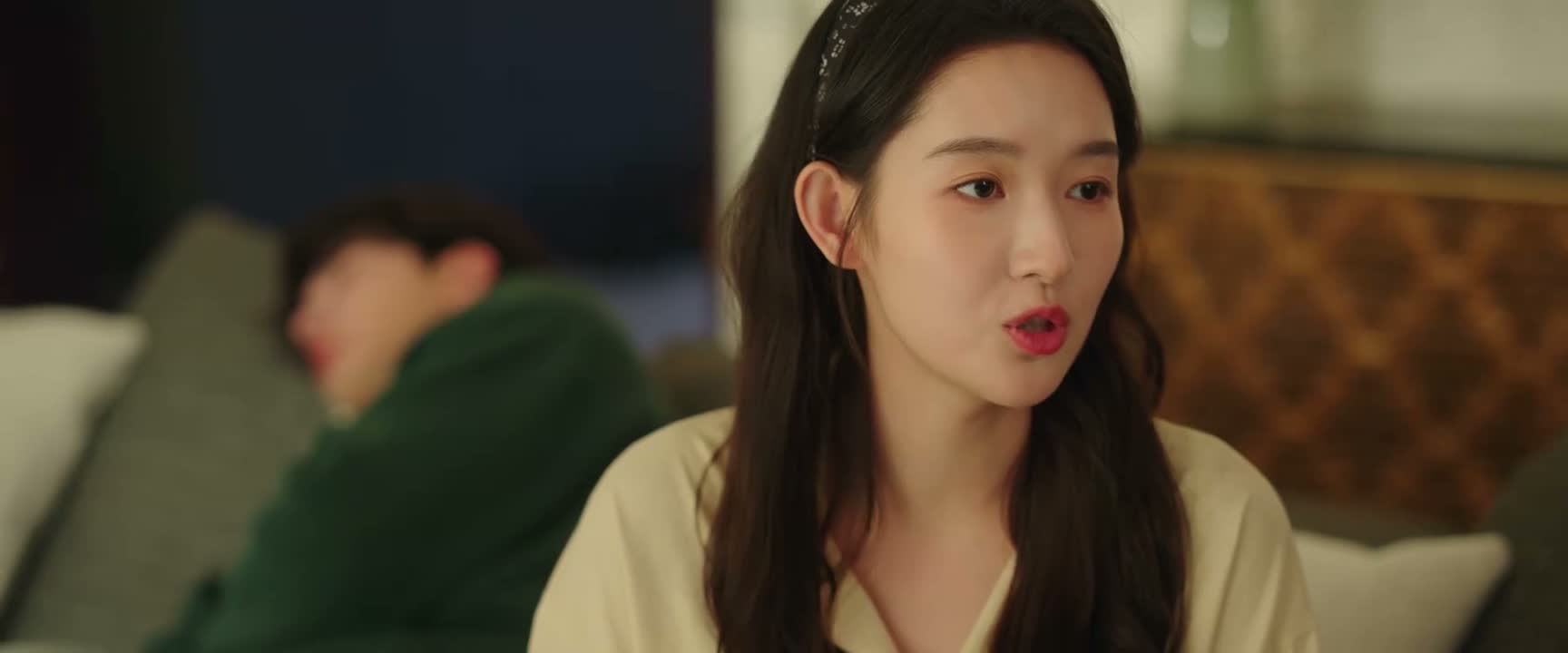
“then stay and take care of him.”

“Why do you care about her? Let's just get moving. Fine. You guys rest for a while,”