这怎么做了手术 我老爸还不会说话了呢
“You only had surgery. How come you can't talk now?”
THE DIALOGUE REEL
咋啦
“what's wrong?”
这 怎么 做了手术 我老爸 还 不会说话 了呢
“You only had surgery. How come you can't talk now?”
这是拔除胃管以后 水电解质代谢紊乱
“His slurred speech is from an electrolyte imbalance”
“Why did his condition get worse after the surgery? Is something wrong, doctor?”
In Chinese family values, adult children are deeply devoted to their parents' health. When unexpected complications arise post-surgery, family members often become emotionally tense and may urgently challenge or question doctors for a definitive medical explanation.
LEARNING CHUNKS & PARTICLES
expresses confusion, anxiety, or questioning regarding an unexpected or counterintuitive situation
A high-frequency colloquial rhetorical pattern, commonly used to urgently ask for an explanation upon encountering unexpected anomalies.
to perform or undergo surgery
A common everyday medical verb-object collocation; it can refer either to a surgeon operating or a patient undergoing an operation.
Used at the end of an interrogative sentence to intensify a tone of deep inquiry, perplexity, or anxiety.
VOCABULARY & EXPRESSIONS
Parallel Spoken Cinema Scenes (语义近邻切片)
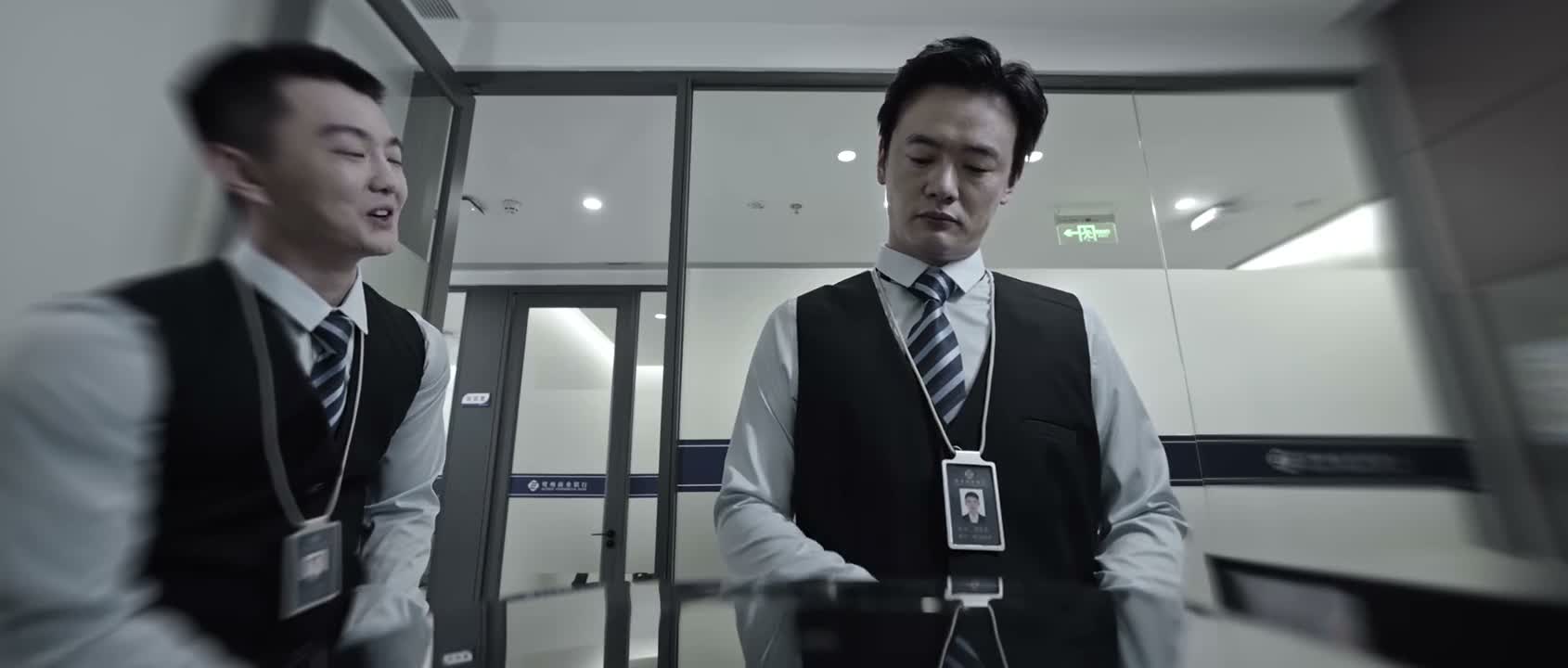
“my father-in-law is having surgery that day.”

“My dad is already this sick. Why must you drag him here?”
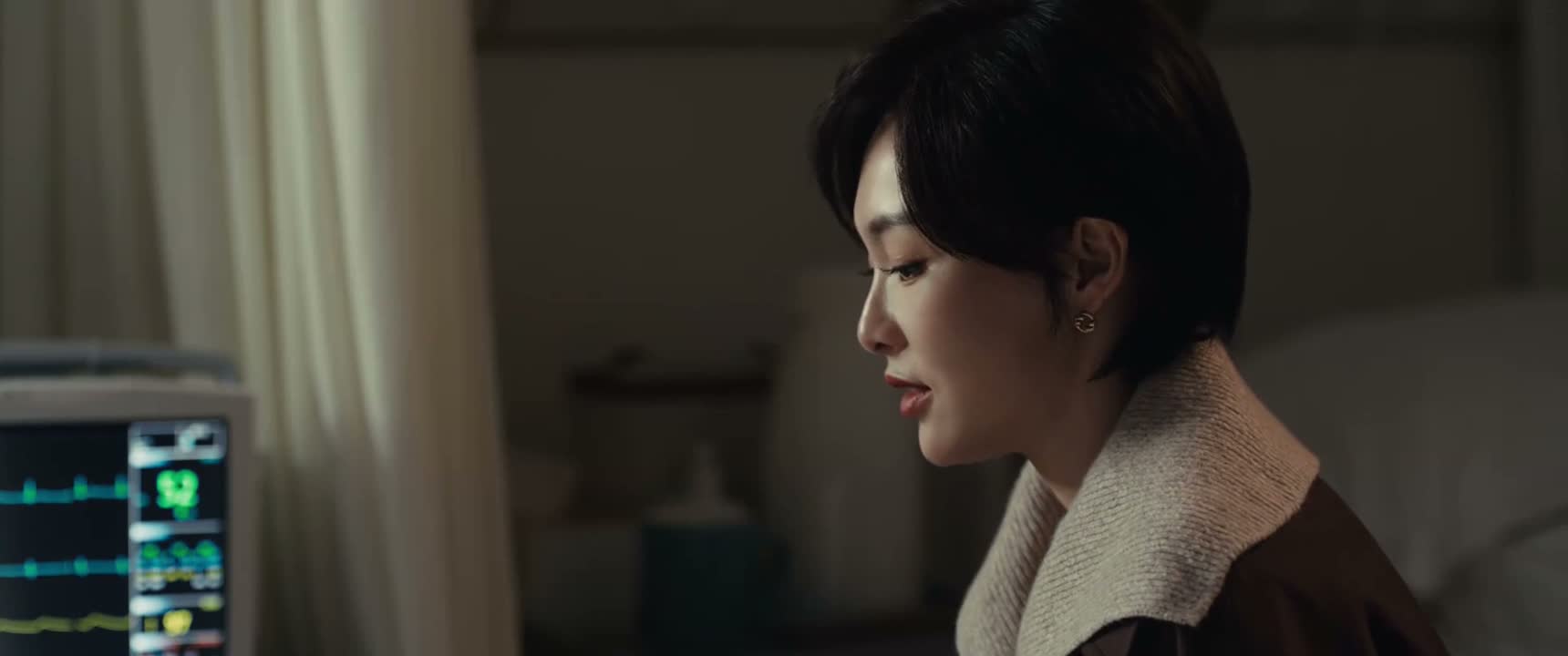
“You said on the phone she wouldn't be doing the surgery anymore.”

“Will that give your dad the money for surgery?”

“Let me tell you, the surgery went smoothly. Fortunately,”

“Although my dad didn't say it,”