不会说话
bú huì shuō huàCommon spoken expression used by native Chinese speakers in daily life.
[Scene: 其他场景]
(3 clips) 00:03
(得给个说法) ── Previous context
“Mr. Wang, you're not a naive young man. Be careful with what you said.”
 00:02
 00:02
(你刚刚讲的话好想要进去了一样) ── Previous context
“Shut your mouth. If you can't talk right, donate your mouth.”
[Scene: 社交聚会]
(3 clips) 00:02
(怎么了) ── Previous context
“Have you lost your ability to speak like the mute servant?”
 00:02
(我是来求安慰的) ── Previous context
“I came here for comfort. If you can't say anything helpful, just stay quiet.”
 00:02
[Scene: 其他场景]
(2 clips) 00:02
 00:02
[Scene: 历史宫廷]
(2 clips) 00:03
(还是这庄上的下人) ── Previous context
“If you truly can't speak, could you please find someone else to help me?”
 00:02
(民女不敢 民女只是一时心急说错了话) ── Previous context
“Your words carry no grace. What's the point of a having a tongue?”
[Scene: 其他场景]
(2 clips) 00:03
 00:03
(你是那位郎中的弟子) ── Previous context
“If you can't speak, could you please find someone else to help me?”
[Scene: 餐饮美食]
(1 clips) 00:03
(你这个饭做的比你妈好吃多了 你说的都对老婆) ── Previous context
“Eat more. You're really not good at sweet talk. Give me a piece of meat.”
[Scene: 家庭日常]
(1 clips) 00:03
(我一早跟你们说费霆有本事 是你不信) ── Previous context
“Look at this girl. She doesn't know how to talk.”
[Scene: 警匪刑侦]
(1 clips)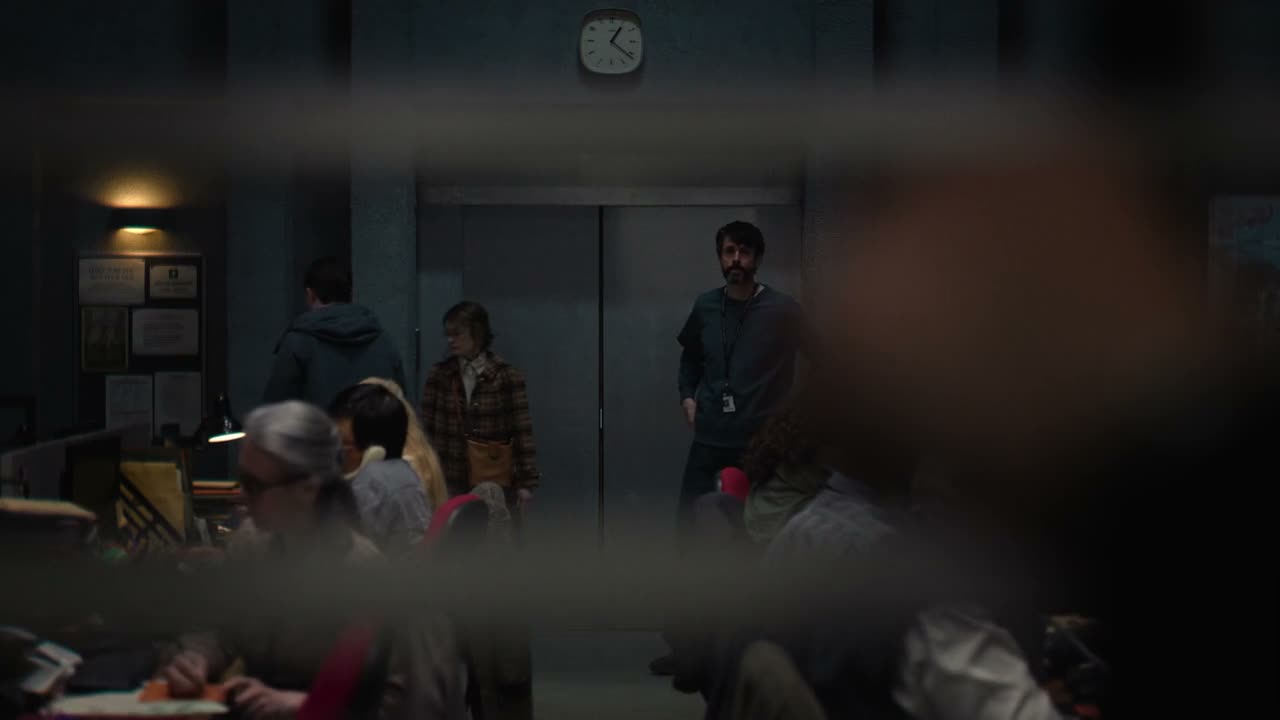 00:02
(威廉·林加德刚刚指认了 莱尔·詹宁斯就是渡轮上的男人) ── Previous context
“[Moira] How'd he do that? Thought he doesn't speak.”
📌 哑巴
→Nuance: 地道俗语变体,意图同样是闭嘴
📌 哑巴
→Nuance: 同义互换,均指责对方乱说话
📌 你这孩子
→Nuance: 同为批评孩子言语冲撞不当
📌 没人
→Nuance: 地道俗语变体,意图同样是闭嘴
📌 没人
→Nuance: 同义互换,均指责对方乱说话
📌 瞎说
→Nuance: 同向近义词根配对: [瞎说 ↔ 乱说]