你没事儿吧 怎么把头发剪了
“Bai Shu, are you okay? Why did you cut your hair?”
THE DIALOGUE REEL
柏庶
“Bai Shu, are you okay? Why did you cut your hair?”
你 没事儿吧 怎么 把头发剪了
“Bai Shu, are you okay? Why did you cut your hair?”
天气太热了
“It is too hot.”
“Are you doing okay? Did something happen that made you chop your hair off?”
In Chinese culture and modern social psychology, especially for women, suddenly cutting off long hair is often associated with 'cong tou kai shi' (starting afresh, playing on the word 'tou' for both head and beginning). It often hints at a romantic breakup, personal setback, or major life change, naturally prompting concern from friends and family.
LEARNING CHUNKS & PARTICLES
Are you okay? Has something happened or are you troubled?
A high-frequency colloquial phrase used to show concern upon noticing a change in someone's appearance, an unusual mood, or an unexpected incident.
How come/why did you end up doing something to...
'Zenme + ba-construction' is commonly used to express mild surprise or inquire about an unexpected action or outcome.
Placed at the end of a question to indicate conjecture and seek confirmation, while softening the tone to convey warmth and concern rather than a blunt interrogation.
VOCABULARY & EXPRESSIONS
Parallel Spoken Cinema Scenes (语义近邻切片)

“How is he? You're fine? No one's hurt, right? How is everything?”
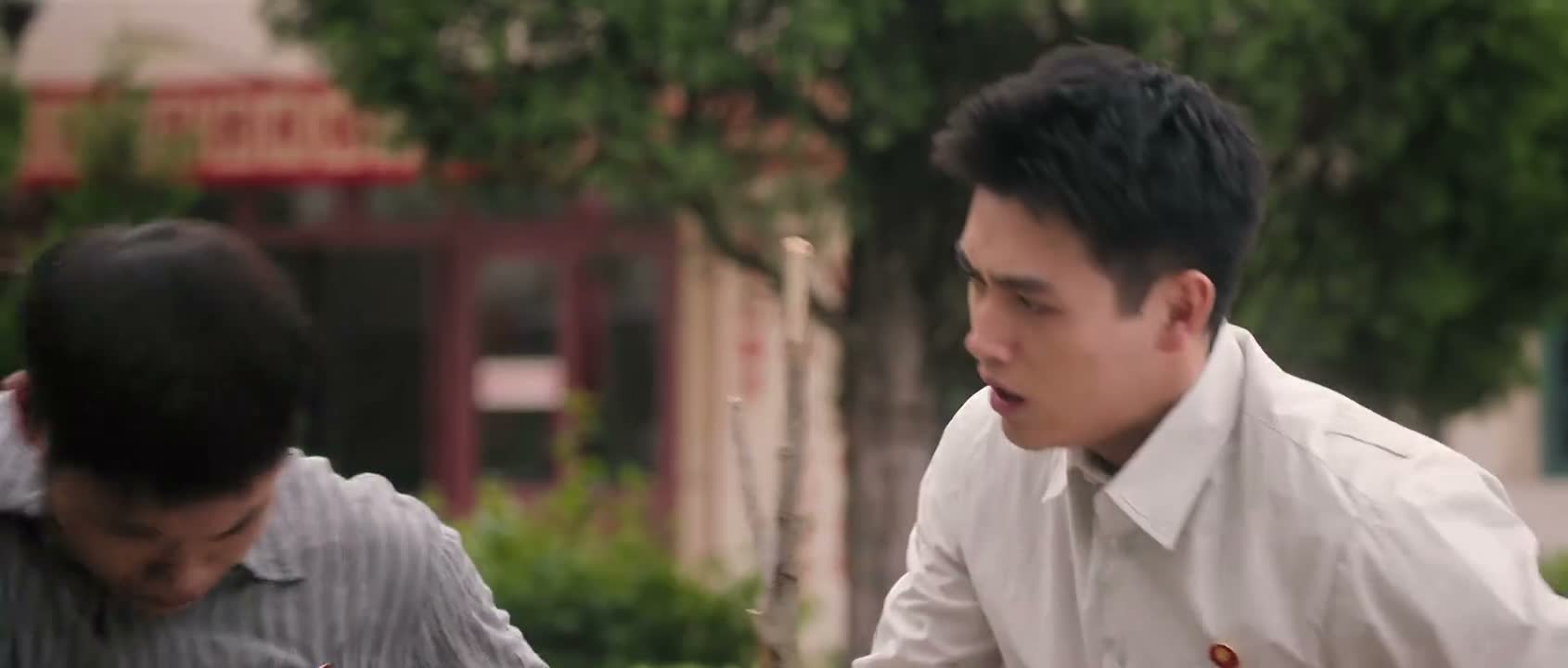
“Are you okay? I'm fine.”
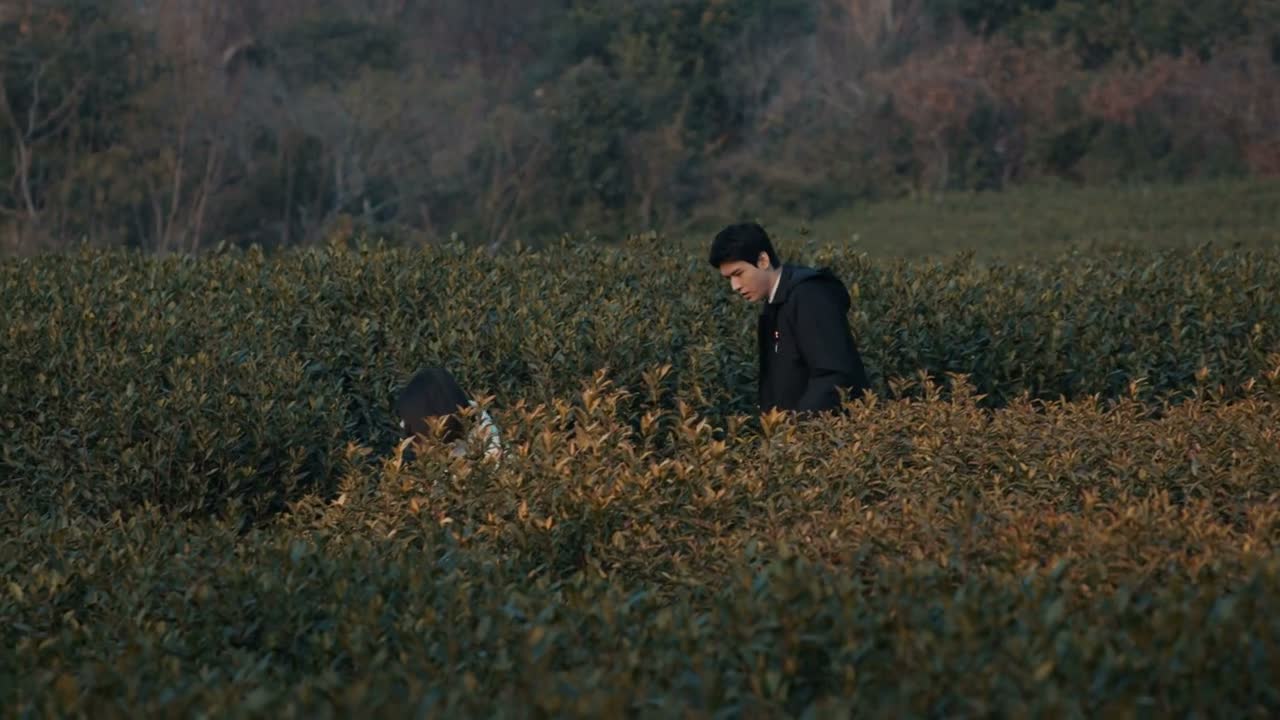
“Are you all right? I'm fine. Slow down.”

“I'm sorry. You're so careless. I'm fine. Go away.”
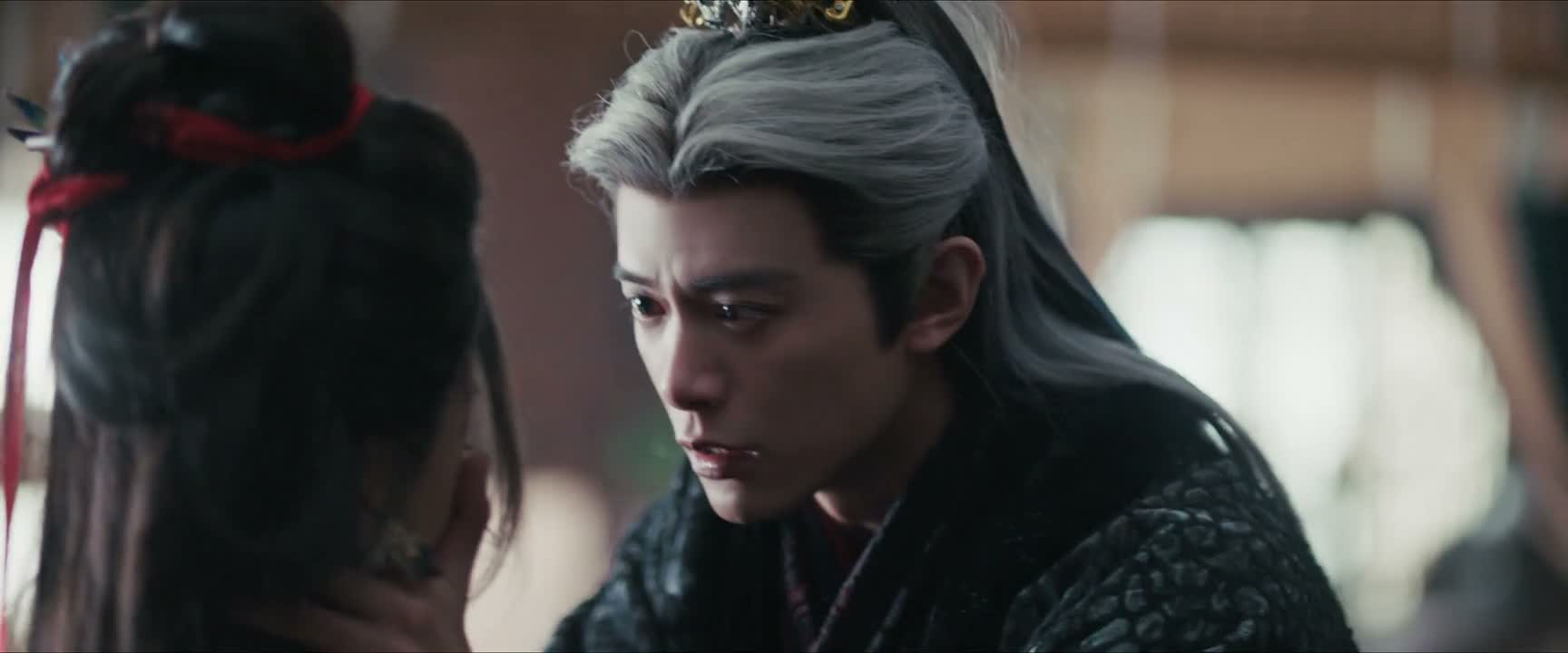
“Are you alright? Are you alright?”
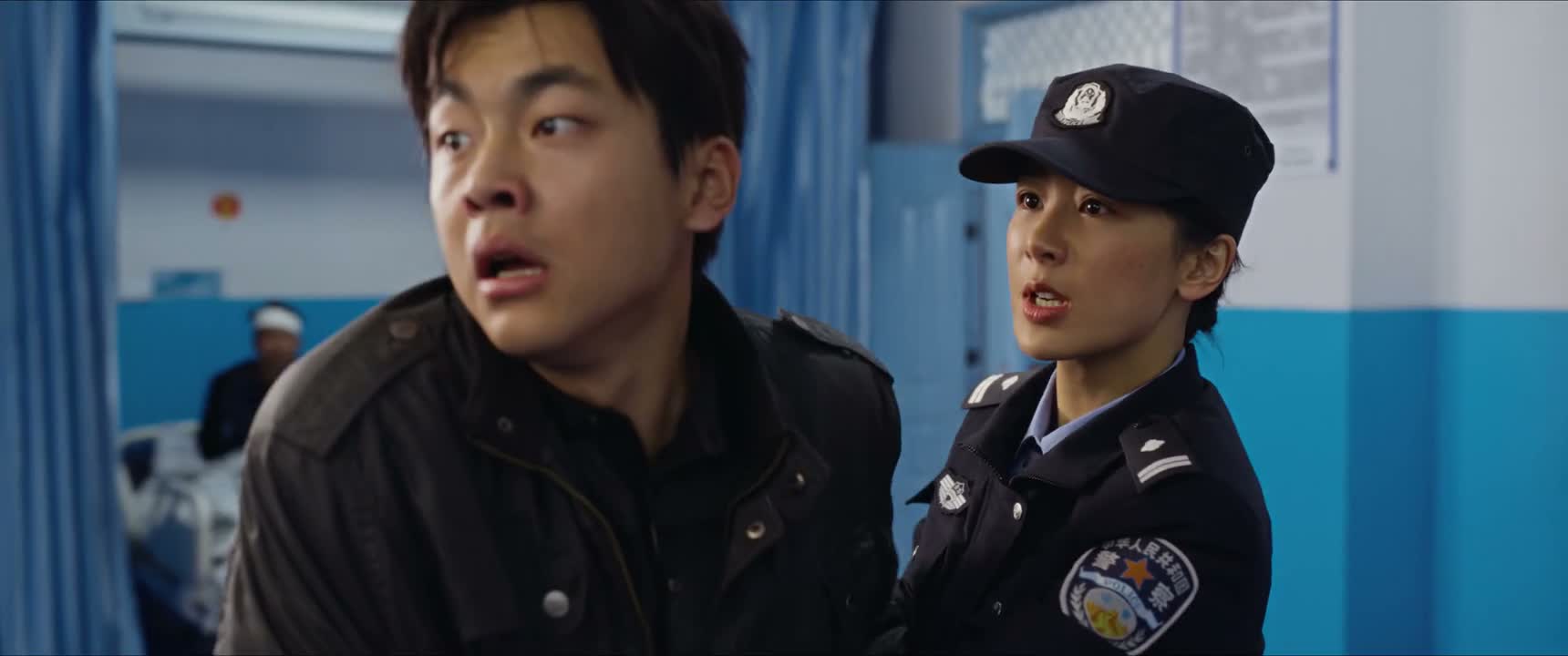
“Are you okay? He has a knife!”