你是肇事者 我真的没办法
“You caused this. What can I do?”
THE DIALOGUE REEL
“I'm not wanted here. You handle it. I can't. You handle it.”
你是肇事者 我 真的 没办法
“You caused this. What can I do?”
“He's locked up. He must be terrified. You must take care of him.”
“You are the one responsible for the mess, so don't expect me to clean it up for you.”
Traditional Chinese culture emphasizes that a perpetrator must bear full legal and moral responsibility for their own actions. When close friends or relatives are involved in an incident, this often creates an emotional dilemma between familial loyalty and civic duty.
LEARNING CHUNKS & PARTICLES
perpetrator; person at fault in an accident
A common legal and colloquial term referring to the party bearing primary responsibility in a traffic collision or other accident.
nothing can be done; powerless
A high-frequency spoken expression used either politely or directly to refuse a request, conveying an inability to alter the circumstances.
VOCABULARY & EXPRESSIONS
Parallel Spoken Cinema Scenes (语义近邻切片)

“just like us.”

“The driver who caused the accident should've been sentenced, right?”
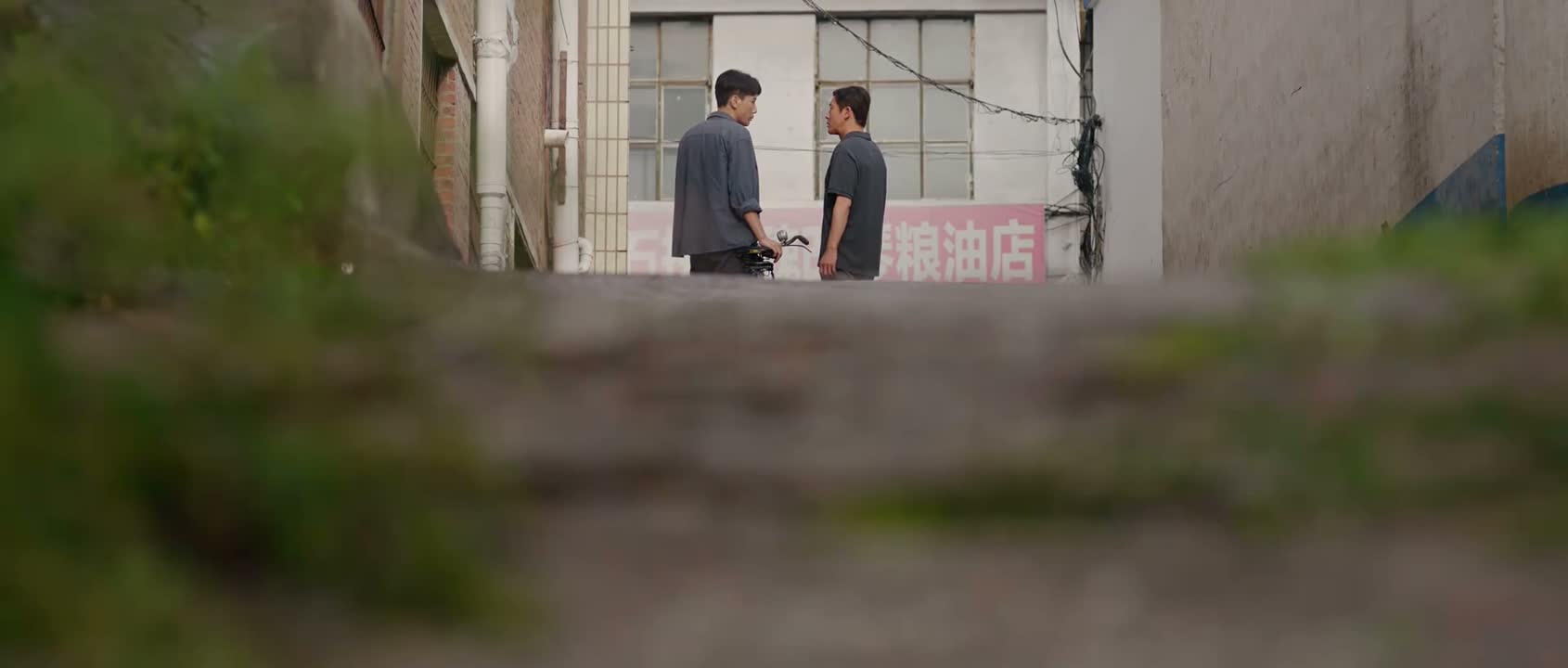
“and see if we can track down that hit-and-run driver.”

“to keep investigating. The driver involved in the crash has been brought back.”
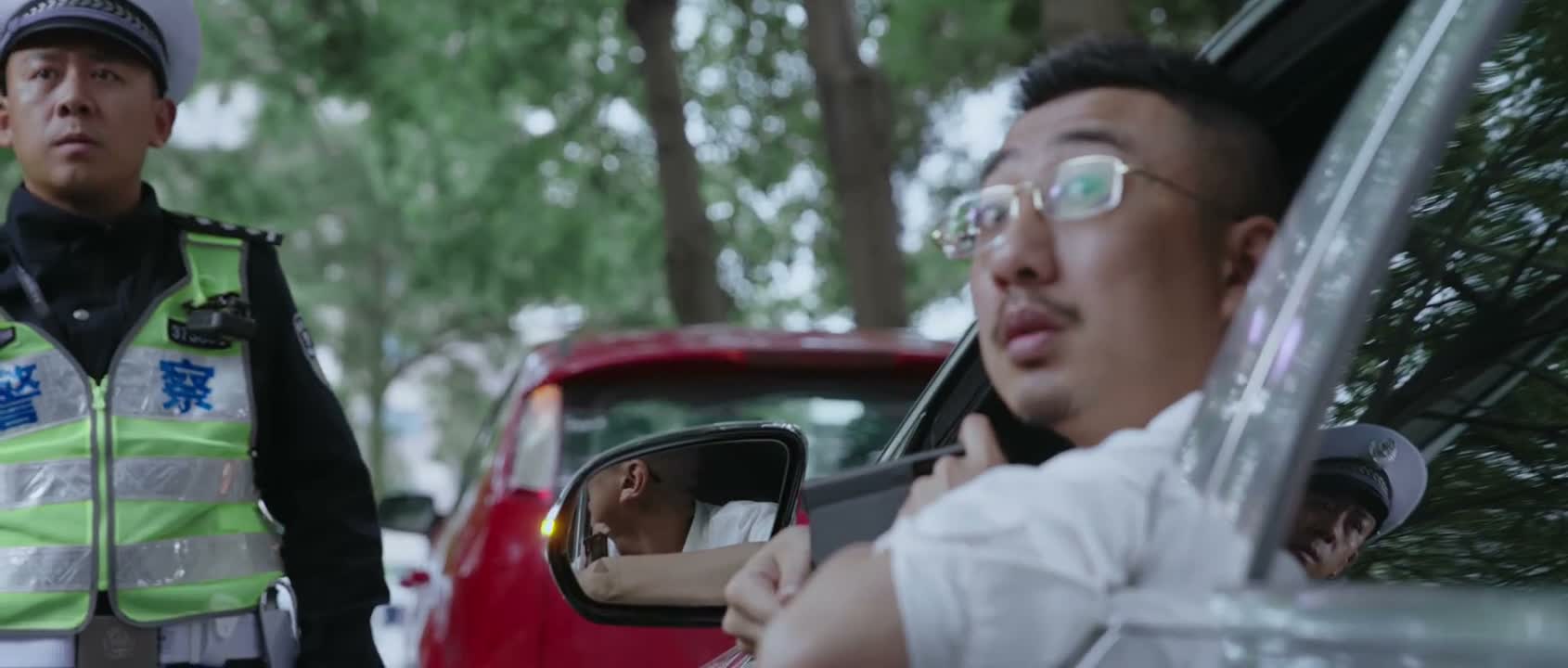
“is it a hit-and-run?”

“Don't jump to conclusions. I'll contact the Traffic Police”