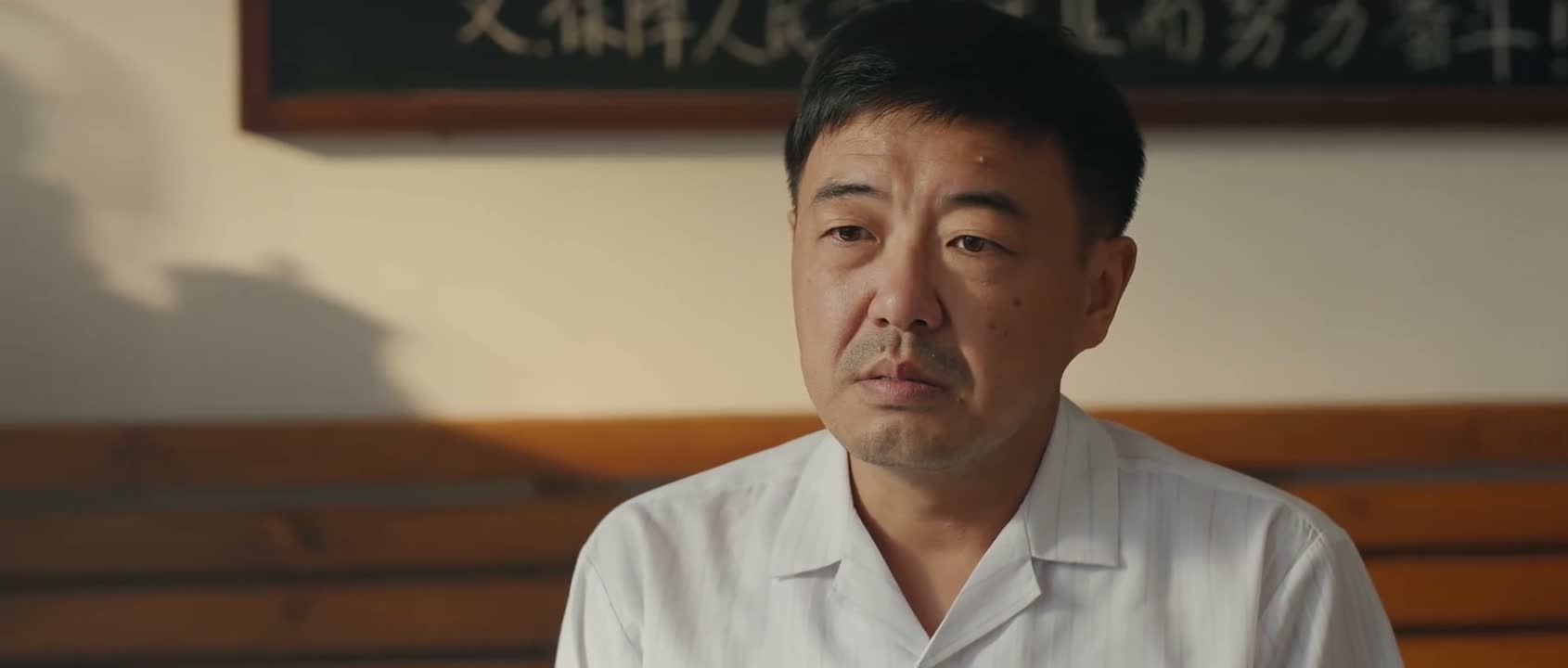
他被关起来了 他得多害怕呀 你不管谁管呀你
“He's locked up. He must be terrified. You must take care of him.”
THE DIALOGUE REEL
“You caused this. What can I do?”
他 被关起来 了 他 得多 害怕 呀 你不管谁管 呀你
“He's locked up. He must be terrified. You must take care of him.”
“What are you doing? You're in public.”
“You have to get him out of this—it's your responsibility, so don't you dare shirk it!”
During a legal crisis (such as being detained after an accident), relatives often try to resolve the issue through emotional blackmail, pulling strings, or pressuring others to take responsibility, reflecting the moral and emotional pressure common in a close-knit relational society.
LEARNING CHUNKS & PARTICLES
to lock up, detain, or imprison
Colloquially used to refer to someone being held in custody or jailed by the police, carrying an informal and urgent tone.
if you don't take care of it, who will; you are the only one responsible
A rhetorical pattern used to firmly push responsibility onto the listener or emphasize their inescapable duty.
Used at the end of exclamatory or rhetorical sentences to heighten emotions of anxiety, urgency, and reproach.
VOCABULARY & EXPRESSIONS
Parallel Spoken Cinema Scenes (语义近邻切片)

“I should've found you earlier.”

“Well, he can't stop you anyway.”

“You'll handle the place? Leave it to me.”

“I'm losing control of him.”
“Then we were locked up.”

“Monitor him. Stop him from talking nonsense.”