你当初信誓旦旦地跟我发誓过
“You swore to me back then. You told me.”
THE DIALOGUE REEL
抱负
“Ideals, beliefs, aspirations.”
你当初信誓旦旦地跟我发誓过
“You swore to me back then. You told me.”
跟我讲过
“You swore to me back then. You told me.”
“You made all those solemn promises to me back then, yet look what you're doing now!”
In modern Chinese interpersonal relationships, especially when romantic relationships or shared alliances break down, 'taking an oath' (fa shi) serves as the ultimate moral constraint. Bringing up past oaths is meant to seize the moral high ground and condemn the other party's betrayal.
LEARNING CHUNKS & PARTICLES
Pledging solemnly and earnestly; frequently used retrospectively to criticize someone for failing to keep a promise.
Often used adverbially to modify verbs like 'shuo' (to speak), 'baozheng' (to guarantee), or 'fashi' (to swear). In spoken modern Chinese, it carries a strong tone of irony or accusation.
To swear an oath to someone; to make a solemn promise to someone.
The preposition 'gen' here indicates the recipient or target of the action, functioning equivalently to 'xiang... fashi' (to swear to...), and is a highly colloquial structure.
VOCABULARY & EXPRESSIONS
Parallel Spoken Cinema Scenes (语义近邻切片)

“you promised the delivery of the product”

“You swore to us solemnly”
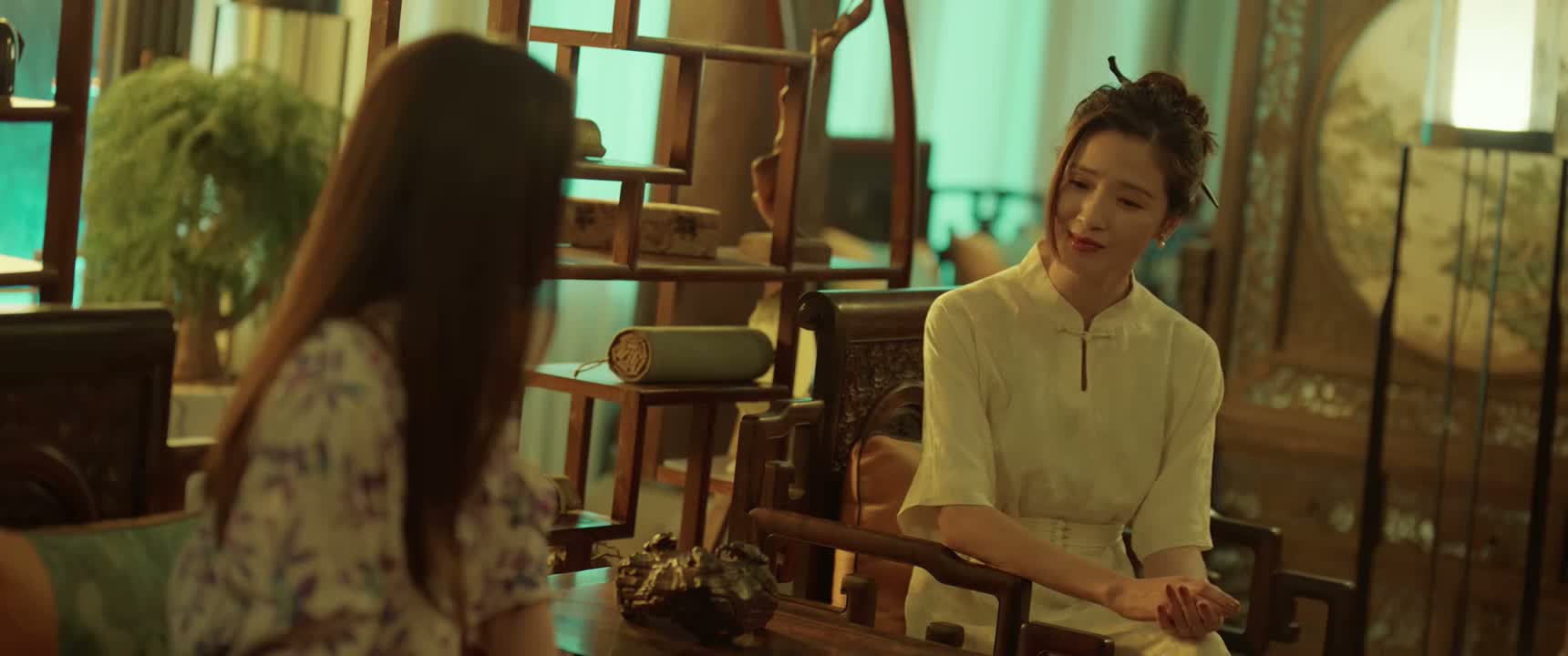
“Back then, you swore that”

“swearing an oath right in front of His Majesty.”