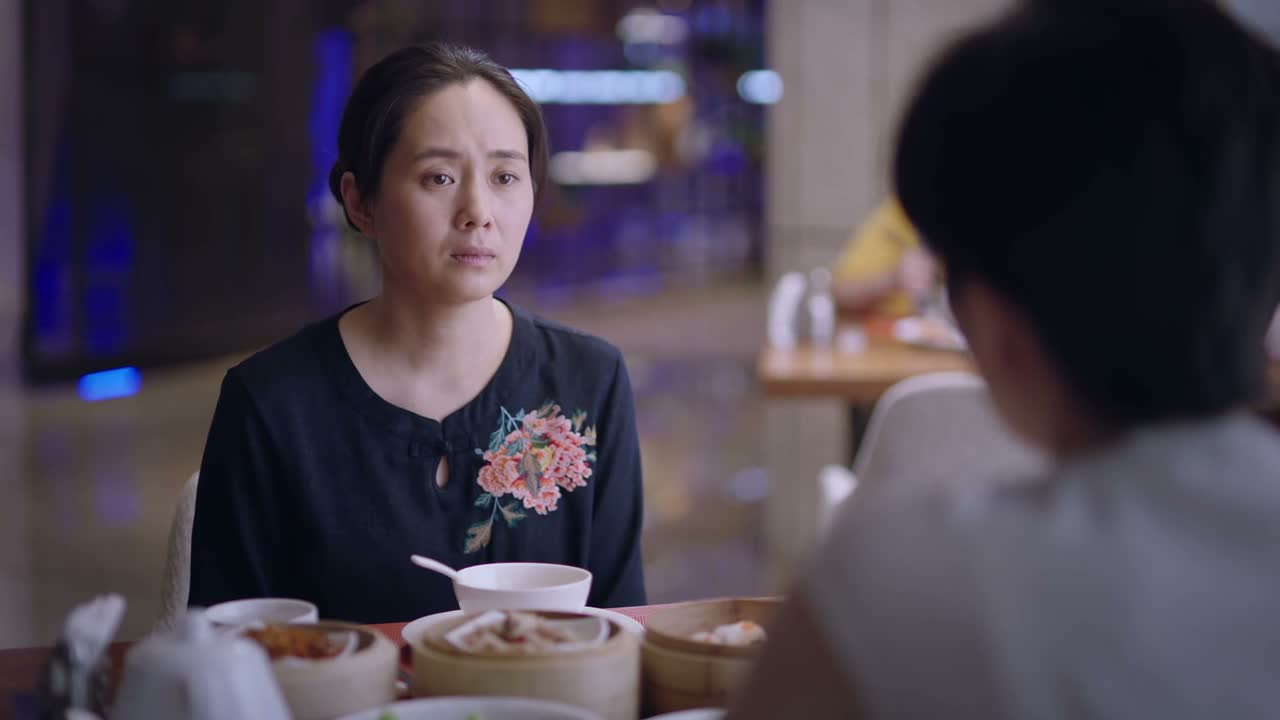
你妈我火眼金睛 这你都看不出来
“I have sharp eyes. Can't you see that?”
THE DIALOGUE REEL
我一早就看透他了 哪里有钱就往哪钻
“I saw through him long ago. He goes wherever the money is.”
你妈我 火眼金睛 这你都 看不出来
“I have sharp eyes. Can't you see that?”
来来来 喝水
“Here, drink some water.”
“I can see right through people; you're far too naive to miss something so obvious.”
An allusion to Sun Wukong's special ability forged in Lord Laozi's alchemy furnace in the classic novel 'Journey to the West', allowing him to instantly see through demons' disguises. In everyday culture, it metaphorically refers to sharp insight or a keen eye for spotting deceit.
A common colloquial self-reference used by Chinese mothers when talking to their children, conveying a mix of parental authority, confidence, and familial closeness.
LEARNING CHUNKS & PARTICLES
sharp, discerning eyes capable of seeing through deception and uncovering the truth
Originating from 'Journey to the West', this is commonly used in spoken Chinese to boast about or praise someone's sharp insight and ability to judge character.
you cannot even tell something this obvious
A common colloquial rhetorical pattern carrying a tone of mild teasing, reproach, or calling out someone's lack of perceptiveness.
VOCABULARY & EXPRESSIONS
Parallel Spoken Cinema Scenes (语义近邻切片)

“She sees right through people. She's reliable.”

“So petty. Stop pulling me. Go to Mom.”

“Your mom can't tell, but can't you tell?”

“and if he even looked at her mom, you'd gouge his eyes out.”
“and the way she looked at me”

“Why can't let her see him? Not a chance.”