看不出来
kàn bù chū láiCommon spoken expression used by native Chinese speakers in daily life.
[Scene: 社交聚会]
(8 clips) 00:02
 00:02
(靠还东西制造见面的机会) ── Previous context
“Mr. Pei, this little trick of yours can't be more obvious.”
 00:02
 00:03
(人还是老实的 他还老实 你什么眼神啊) ── Previous context
“Can't you see this couple is playing good cop, bad cop?”
 00:03
(越是这种关系啊 它就越不可能) ── Previous context
“Besides, if there was really something between them, wouldn't I have noticed?”
 00:03
(这这 这音色不错) ── Previous context
“You really can't judge a book by its cover. She's amazing.”
 00:02
 00:03
(留给我爹了 怕他想我 见尺如见人) ── Previous context
“Behind those shifty eyes, you're so loyal?”
[Scene: 其他场景]
(7 clips) 00:03
 00:03
 00:02
 00:03
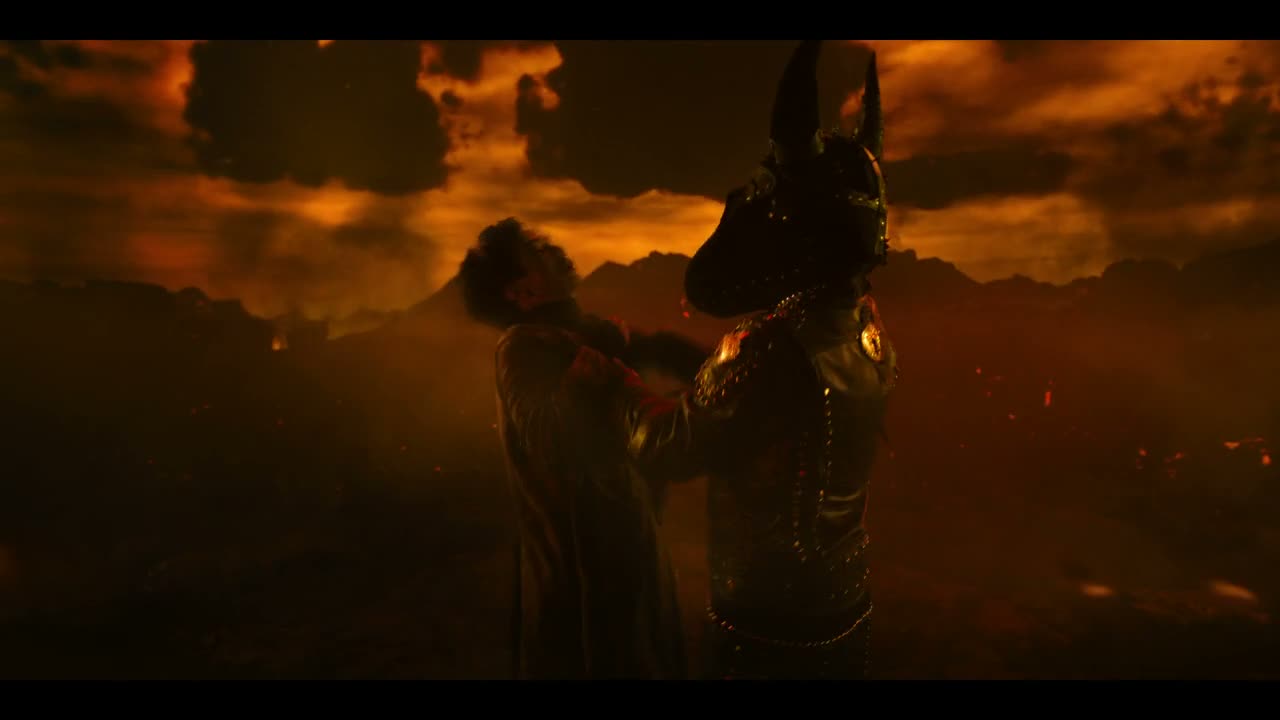
(牛头?那这里是…) ── Previous context
“Quit your questions. Can't you tell you're in hell?”
 00:03
(我们俩是天天 住在一起的好姐妹) ── Previous context
“Why so chummy with her? Can't you tell”
 00:02
 00:02
[Scene: 其他场景]
(5 clips) 00:03
(王姐 这是我朋友) ── Previous context
“I've been around long enough. Don't you think I can tell?”
 00:02
(等我拍完 把咖啡杯的贴纸换一下 然后再换个角度) ── Previous context
“This way, no one can tell it's the same cup.”
 00:02
 00:02
 00:02
[Scene: 家庭日常]
(5 clips) 00:03
 00:02
 00:02
 00:03
 00:02
[Scene: 职场工作]
(5 clips) 00:02
(裴总示意不能通过 不能激发大招 这裴总) ── Previous context
“I didn't realize how much he loves Chinese culture.”
 00:02
 00:02
 00:03
 00:03
[Scene: 其他场景]
(1 clips) 00:02
[Scene: 警匪刑侦]
(1 clips) 00:03
(这门锁被撬开过 而且是从外面被撬过的) ── Previous context
“I couldn't tell if I didn't take a closer look. Collect fingerprints and footprints.”
📌 我跟你说
→Nuance: 意图相同但表述及语境不同
📌 明白人
→Nuance: 没看出来表意外赞赏,句式等价
📌 是不是
→Nuance: 同向近义词根配对: [耍赖 ↔ 耍无赖]
📌 看着我
→Nuance: 意图相同但表述及语境不同
📌 是吗
→Nuance: 质问对方低估自己,意图相同
📌 是吗
→Nuance: 核心表达我看得出来的意图
📌 不是
→Nuance: 同向近义词根配对: [高兴 ↔ 开心]
📌 你说
→Nuance: 意图相同但表述及语境不同
📌 凭什么
→Nuance: 同向近义词根配对: [亲热 ↔ 亲密]
📌 再说了
→Nuance: 同类反诘修辞句式,表达自信