MC
MandarinClips Cinema Corpus
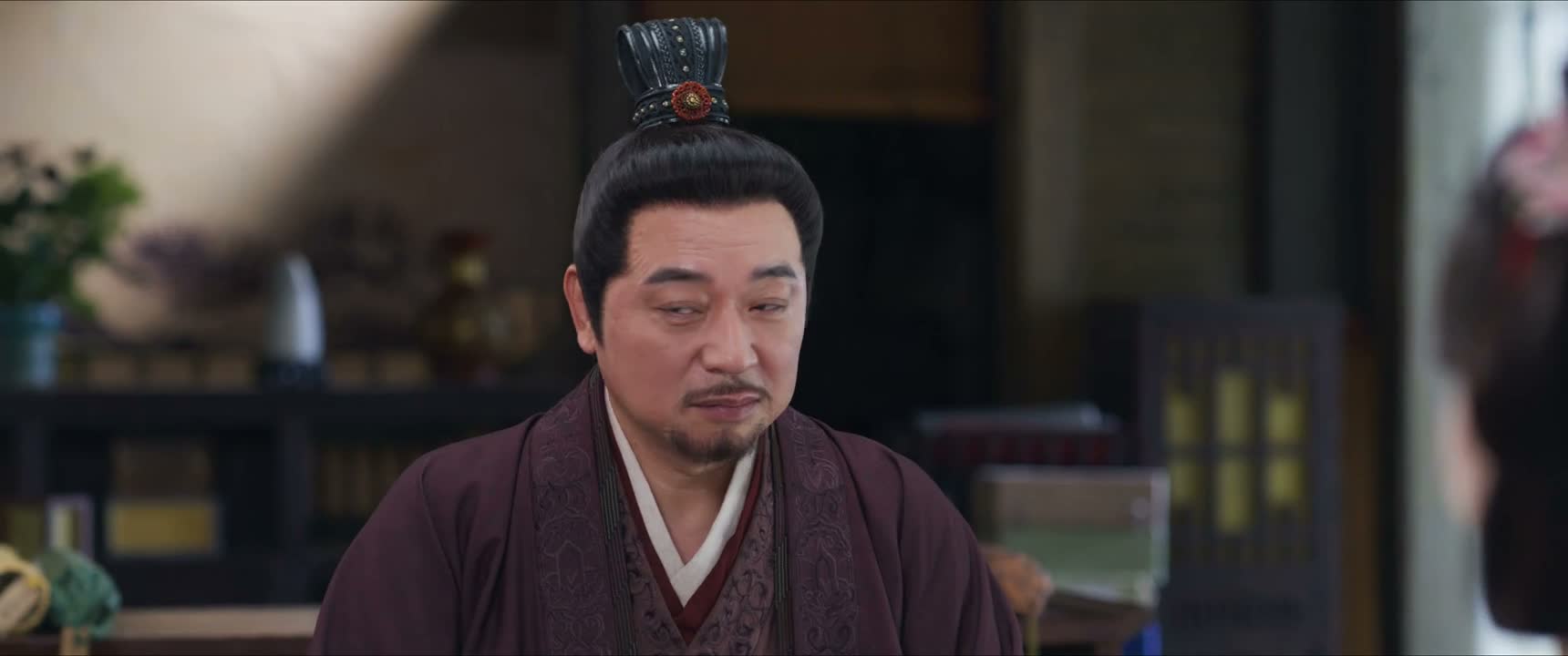
《Go Ahead》 S1·E35 (03:38) HSK 4
nán dào nǐ kàn bù chū lái ma

难道你看不出来吗

“that he doesn’t want us here?”

《Go Ahead》 S1·E35
TIMECODE: 03:38 · 1080P MASTER AUDIO

THE DIALOGUE REEL

1+1+1 SPOKEN CONTINUITY
[-1] PREVIOUS TURN nǐ yě tǐng xiǎng nǐ gē gē de ba wǒ bù xiǎng tā fán wǒ men

你也挺想你哥哥的吧 我不想 他烦我们

“You miss your brother a lot too, right? I don't! Can't you see”

nán dào nǐ kàn bù chū lái ma CURRENT FOCUS

难道 你看不 出来 吗

“that he doesn’t want us here?”

[+1] FOLLOW-UP TURN wǒ kàn bù chū lái

我看不出来

“No.”

Subtitles synced to millisecond timecode Browse Show Clips →
Scene: Social & Dating
Function: CHALLENGING DENIAL
Tone: RHETORICAL
Emotion: SKEPTICISM
WHAT THEY REALLY MEAN (PRAGMATIC SUBTEXT)
“Stop lying to yourself and me; anyone can see how much you miss him.”
💡 Cultural Insight: Emotional Restraint and Indirect Perception

In Chinese interpersonal interactions, people often conceal emotional vulnerability, leaving it to close associates to 'read between the lines' and call out hidden feelings.

INTENT TAGS: #challenging #poking #rhetorical_question #probing
🧩

LEARNING CHUNKS & PARTICLES

2 CHUNKS · 1 PARTICLES
难道 SPOKEN CHUNK

could it really be that / don't tell me

Used at the beginning of rhetorical questions to add disbelief, pressure, or doubt.

看不出来 SPOKEN CHUNK

cannot tell / cannot perceive

A potential complement structure used when visible clues fail to reveal an underlying fact or emotion.

Modal Particle「吗」 (ma) CHANGE OF STATE

Turns the statement into a rhetorical question seeking immediate agreement or concession.
🏮

VOCABULARY & EXPRESSIONS

3 EXPR · 1 GRAMMAR
CROSS-CINEMA CORPUS BOARD · PARALLEL SCENES

Parallel Spoken Cinema Scenes (语义近邻切片)

EXPLORE BY SEMANTIC SIMILARITY
《Go Ahead》 S1·E35 (03:38) · Authentic Cinema Dialogue Corpus