MC
MandarinClips Cinema Corpus
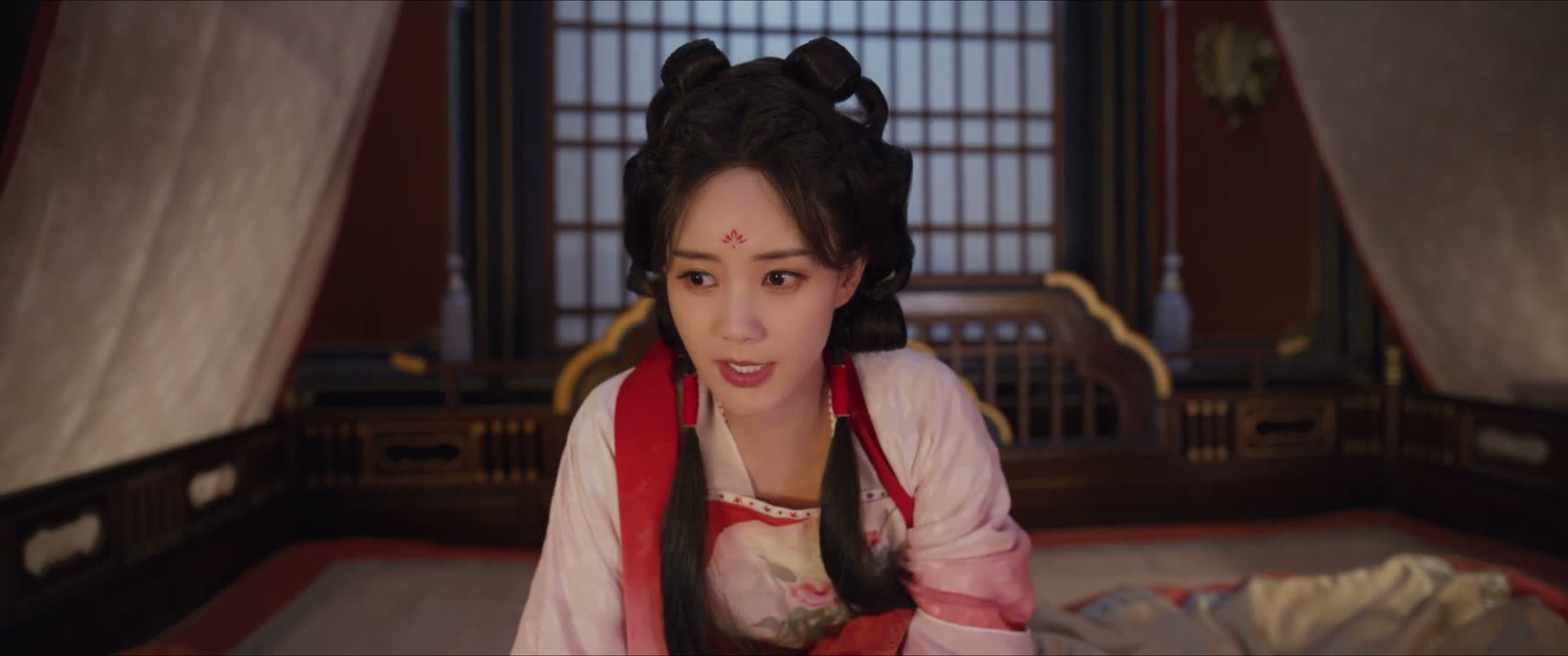
《Mama Go!》 S1·E11 (12:02) HSK 5
nǐ shuō wǒ nǎ huì zhuāng fēng mài shǎ ya shì ba

你说我哪会装疯卖傻呀是吧

“But I don't know how to act crazy, right?”

《Mama Go!》 S1·E11
TIMECODE: 12:02 · 1080P MASTER AUDIO

THE DIALOGUE REEL

1+1+1 SPOKEN CONTINUITY
[-1] PREVIOUS TURN gù wǒ zhuāng fēng mài shǎ bǎ nǐ dǎ fā zǒu

雇我装疯卖傻把你打发走

“He hired me to act crazy and drive you away.”

nǐ shuō wǒ nǎ huì zhuāng fēng mài shǎ ya shì ba CURRENT FOCUS

你说 我哪会 装疯卖傻 呀 是吧

“But I don't know how to act crazy, right?”

[+1] FOLLOW-UP TURN nǐ kàn nǐ tiáo jiàn zhè me hǎo

你看你条件这么好

“Look, you're such a catch.”

Subtitles synced to millisecond timecode Browse Show Clips →
Scene: Social & Dating
Function: FEIGNING INNOCENCE
Tone: PLAYFUL
Emotion: DEFENSIVENESS
WHAT THEY REALLY MEAN (PRAGMATIC SUBTEXT)
“Don't pin this on me—I'm not clever enough to pull off an act like that.”
💡 Cultural Insight: Deflecting Through Self-Deprecation

In Chinese interpersonal dynamics, pretending that one lacks the cleverness or skill to deceive is a common face-saving tactic to diffuse confrontation.

INTENT TAGS: #denial #deflection #feigning_innocence #hedging
🧩

LEARNING CHUNKS & PARTICLES

2 CHUNKS · 2 PARTICLES
装疯卖傻 SPOKEN CHUNK

to play dumb or act foolish

A common four-character idiom used when someone feigns ignorance or acts absurd to escape a tricky situation.

哪会 SPOKEN CHUNK

how could one possibly

Used in spoken Mandarin to introduce a rhetorical question strongly denying a capability or action.

Modal Particle「呀」 (ya) CHANGE OF STATE

Softens the rhetorical question to maintain a friendly, conversational mood.

Modal Particle「吧」 (ba) CHANGE OF STATE

Solicits confirmation or agreement from the listener at the end of the phrase.

🏮

VOCABULARY & EXPRESSIONS

4 EXPR · 3 GRAMMAR
CROSS-CINEMA CORPUS BOARD · PARALLEL SCENES

Parallel Spoken Cinema Scenes (语义近邻切片)

EXPLORE BY SEMANTIC SIMILARITY
《Mama Go!》 S1·E11 (12:02) · Authentic Cinema Dialogue Corpus