不是雇你去带 孩子玩的呀 我还不是好心
“not to take his son out to play. I was being kind.”
THE DIALOGUE REEL
怎么会有这种人呀 人家是雇你去 开家长会的呀
“How could he do things like this? He hired you to attend the parents' meeting,”
不是 雇你去带 孩子玩的呀 我 还不是 好心
“not to take his son out to play. I was being kind.”
他好心当成驴肝肺呀 那是你觉得好心 人家没觉得
“How could he return my kindness with enmity? You think you were being kind, but he thinks”
“Stop attacking me; I only did it to be helpful, so you have no right to blame me!”
In Chinese culture, claiming pure intent ('haoxin') is a common interpersonal defense mechanism to soften blameworthiness when boundaries are overstepped.
LEARNING CHUNKS & PARTICLES
isn't it just; was only
A rhetorical device used in spoken Chinese to strongly assert an obvious reason or defensive motive.
good intentions; goodwill
Commonly cited when defending an action whose outcome went wrong despite positive initial motives.
Softens the rhetorical tone while expressing emotional bewilderment and protest.
VOCABULARY & EXPRESSIONS
Parallel Spoken Cinema Scenes (语义近邻切片)

“...take leave to look after the kids?”

“Why are you joking with the kid?”

“Hey, why are you joking with the kid?”
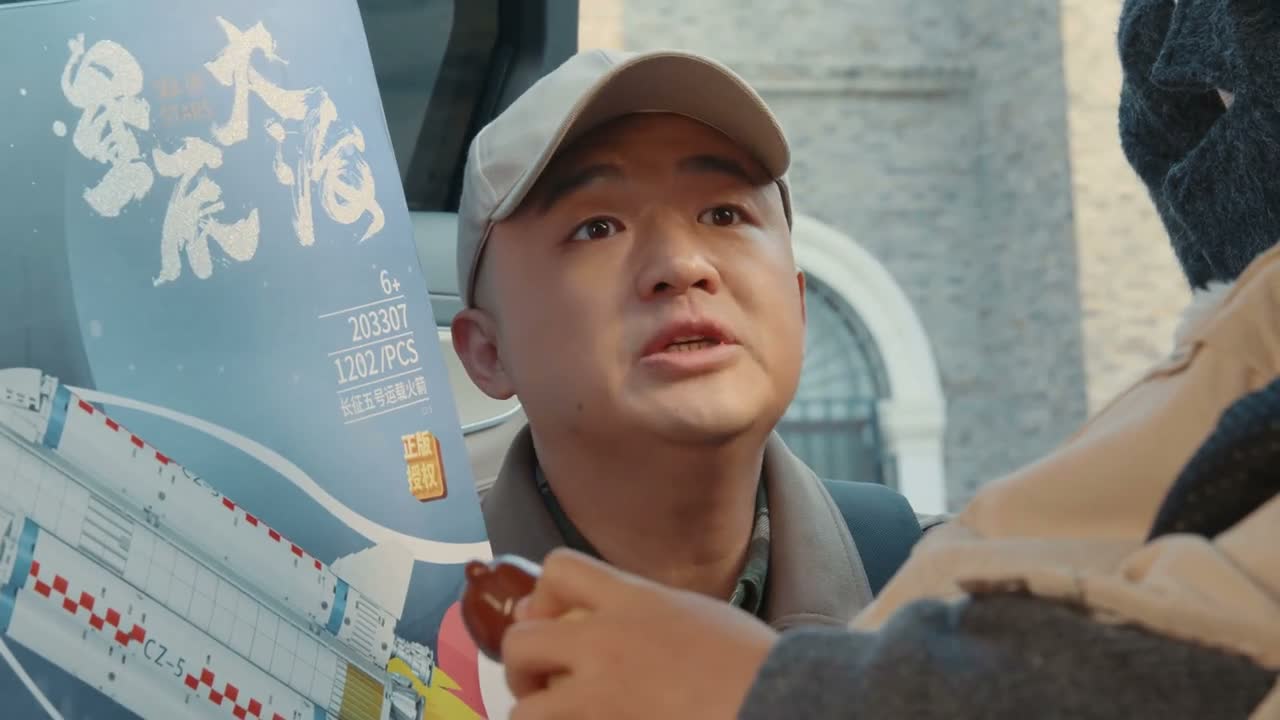
“It's not like I got it for you.”

“Think of it as helping your buddy babysit.”

“Besides, you should study properly instead of having part-time jobs.”