马上就要走了 还没跟他说啊
“You're leaving soon, and you still haven't told him?”
THE DIALOGUE REEL
我还没跟他说呢
“Not yet.”
马上 就要走了 还没跟他说 啊
“You're leaving soon, and you still haven't told him?”
反正我都已经决定了 早说晚说 也没什么区别
“I've made my decision anyway. Sooner or later makes no difference.”
“You are running out of time—stop avoiding this difficult conversation.”
Chinese interpersonal communication often involves delaying painful disclosures to avoid immediate confrontation or emotional fallout, even when departure is imminent.
LEARNING CHUNKS & PARTICLES
about to; very soon
A staple time grammar construction used to emphasize the imminent nature of an event.
still have not; not yet
Standard conversational negation indicating that an expected action remains unperformed.
Pairs with '马上就要' to indicate imminent change of state.
Softens the rhetorical question while adding a tone of surprised inquiry.
VOCABULARY & EXPRESSIONS
Parallel Spoken Cinema Scenes (语义近邻切片)

“doesn't have many days left.”
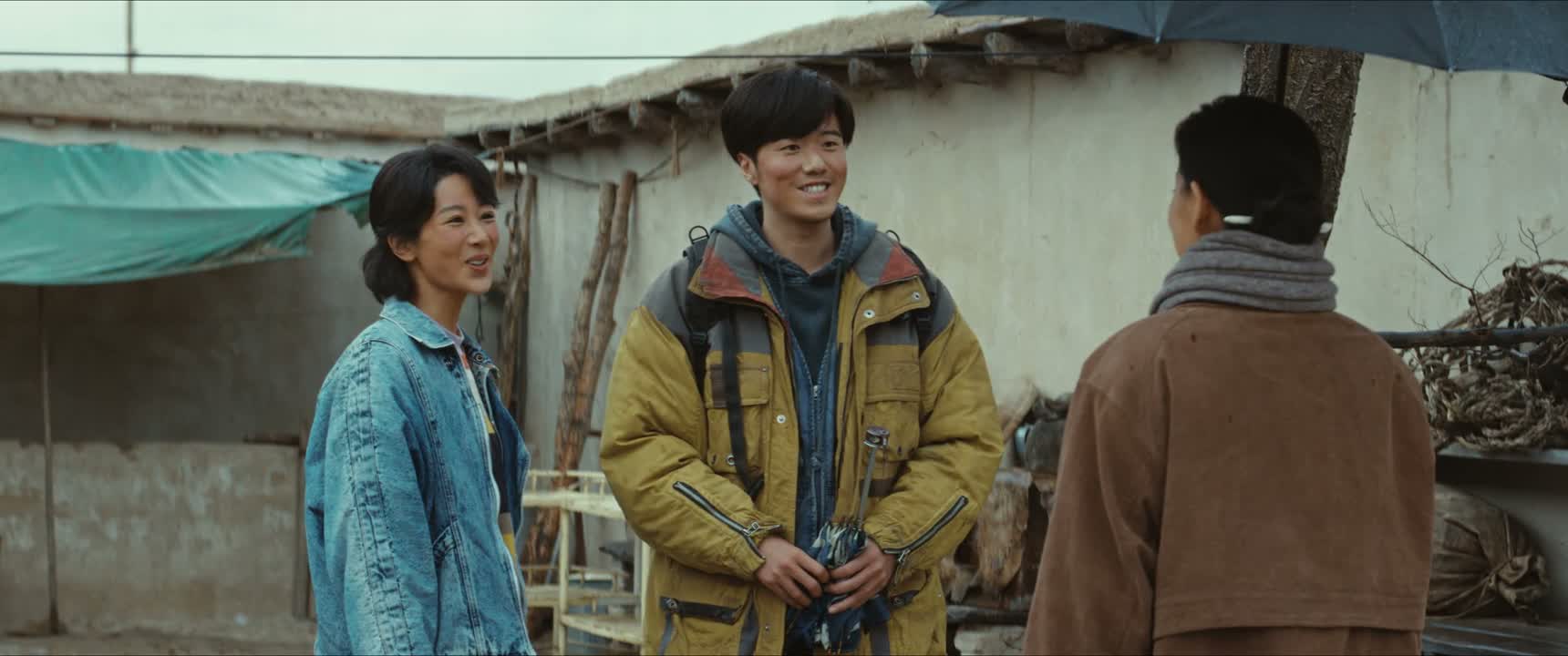
“And he's leaving now. No wonder.”

“I didn't expect to leave tomorrow”

“I'm not done talking. Don't go yet.”

“You are leaving here soon.”

“[Purong Hotel] We agreed to properly thank Mr. Ji”