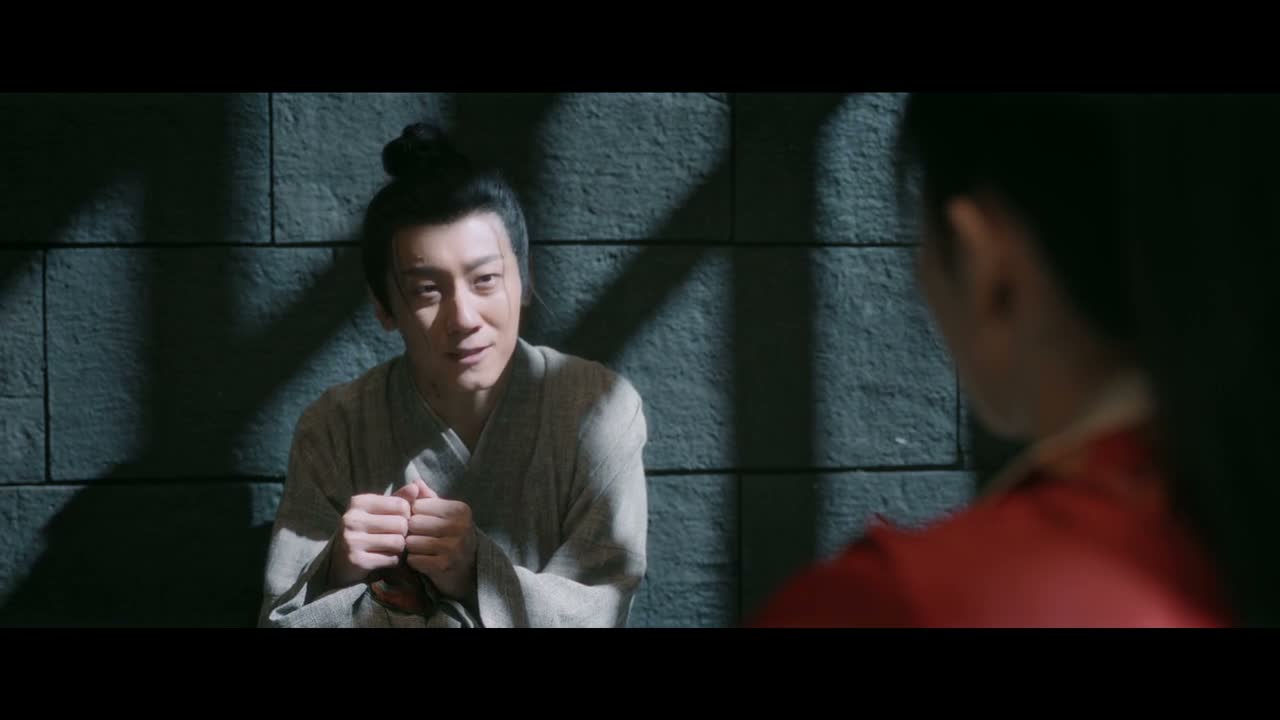
我已经尽力了 但我很无能
“I did my best, but I'm useless. I...”
THE DIALOGUE REEL
真的对不起
“I'm really sorry.”
我已经 尽力了 但我很 无能
“I did my best, but I'm useless. I...”
我没能救得了你
“I couldn't save you.”
Direct spoken expression in this communicative setting.
In Chinese communicative norms, expressing profound self-effacement and unreserved guilt signals moral integrity when failing someone who trusted you.
LEARNING CHUNKS & PARTICLES
tried one's best; made every effort
Frequently used to express that all possible actions were exhausted, often when delivering bad news or apologizing.
incompetent; helpless; powerless
A strong self-reproach used when deeply lamenting one's inability to prevent an unfortunate outcome.
Marks completion of effort and underscores a state of finalized helplessness.
VOCABULARY & EXPRESSIONS
Parallel Spoken Cinema Scenes (语义近邻切片)
“I really did.”

“I did my best.”

“I tried my best.”

“you asked of us.”

“...I'll do my absolute best!”

“Didn't you fail to do your best? - I… I really did try my best. - You…!”