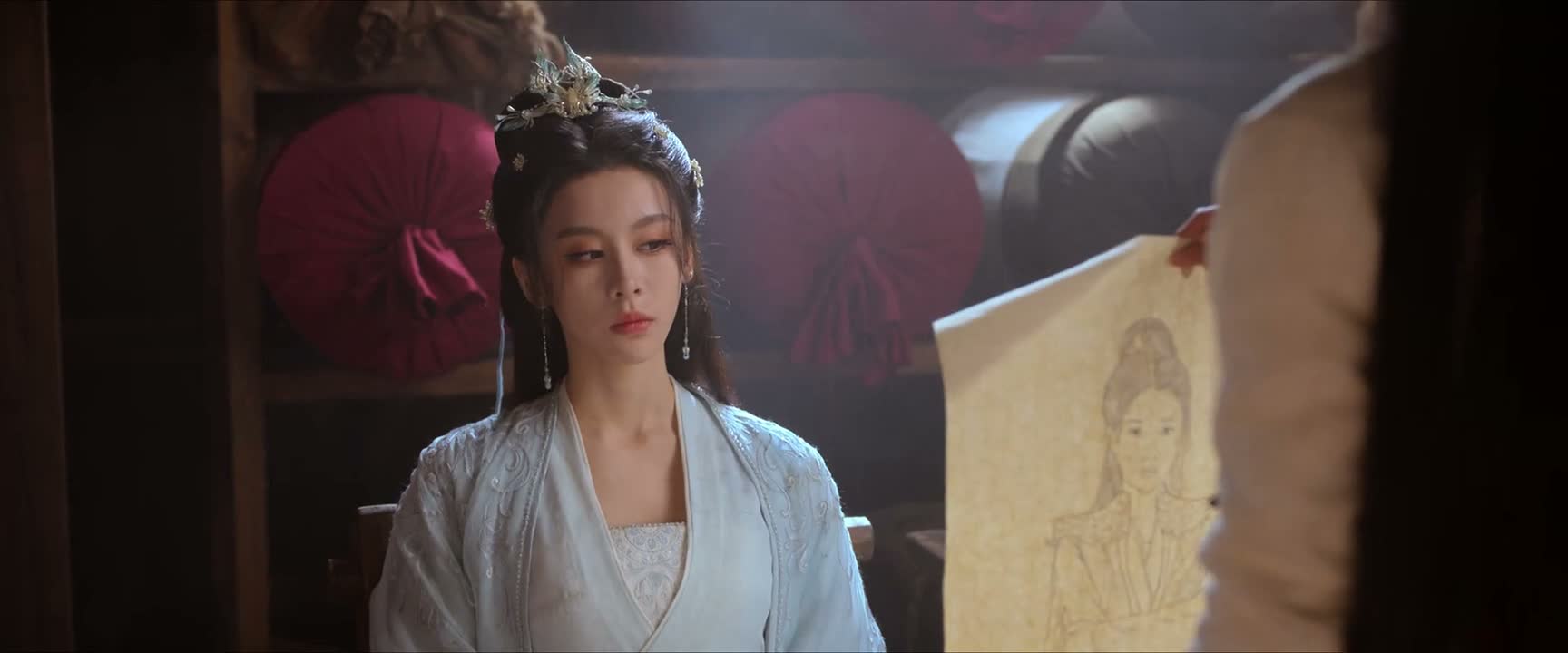
谁知这一下山
“Right after I left the mountain,”
THE DIALOGUE REEL
你等我回来
“Wait for me.”
谁知这一下山
“Right after I left the mountain,”
竟是噩梦开端
“the nightmare began.”
Direct spoken expression in this communicative setting.
Traditional Chinese storytelling often employs phrases like 'who knew' to mark sudden shifts from peace to tragedy, underlining human vulnerability to fate.
LEARNING CHUNKS & PARTICLES
who would have thought; little did one know
Used as a narrative conjunction to introduce an unforeseen and usually negative twist of fate.
to go down a mountain
Can refer literally to descending a mountain or symbolically to leaving a secluded sanctuary to enter worldly affairs.
VOCABULARY & EXPRESSIONS
Parallel Spoken Cinema Scenes (语义近邻切片)

“Could he be staying at someone's house as well?”

“Could he be staying at someone's house as well?”

“We'll leave first.”

“Let's find a way down the mountain first.”

“it's time to gain experience.”
“She left the mountain for errands and hasn't returned for a long time.”