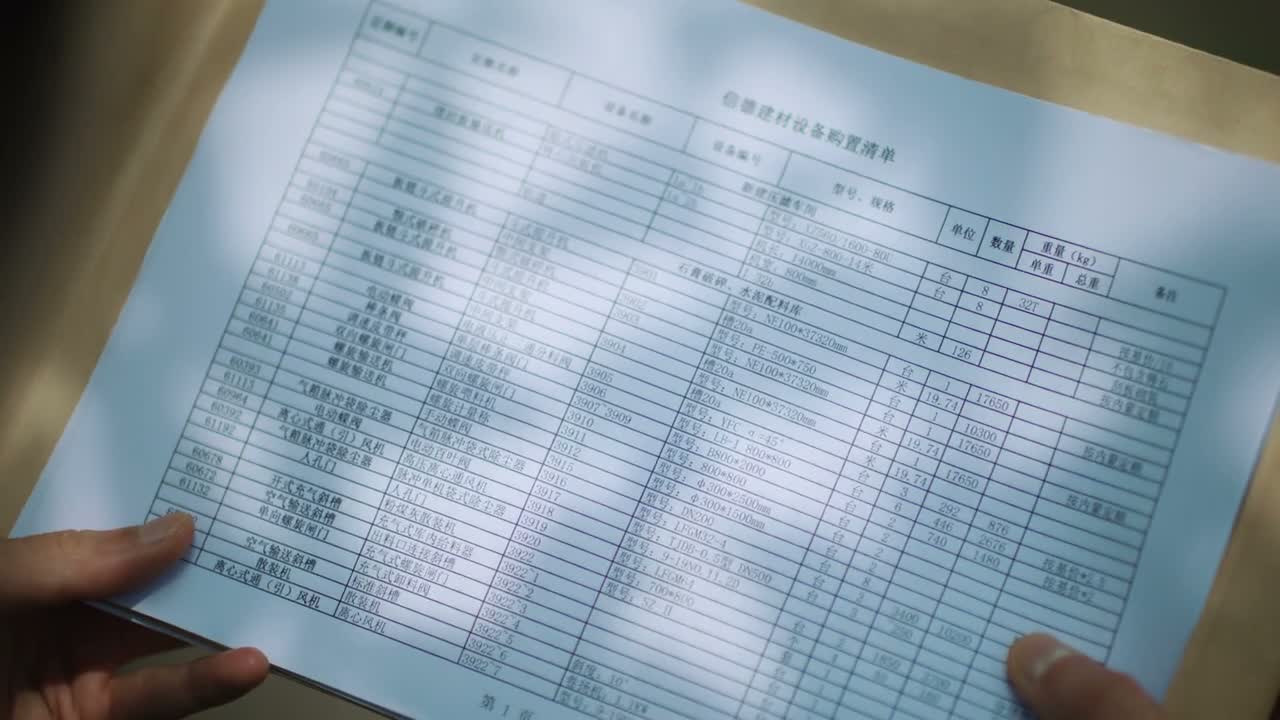
一边还想着扩大产能 这怎么可能呢
“they're still thinking about expanding capacity. How is that possible?”
THE DIALOGUE REEL
一边是要整合
“While we're trying to consolidate,”
一边 还想着 扩大产能 这怎么可能呢
“they're still thinking about expanding capacity. How is that possible?”
说到底
“In the end,”
“This plan makes zero sense; they cannot have it both ways.”
In Chinese business discussions, framing disagreement as an open rhetorical question ('How is this possible?') highlights objective contradictions rather than directly attacking an individual's judgment.
LEARNING CHUNKS & PARTICLES
to expand production capacity
A standard professional collocation frequently used in business, manufacturing, and supply chain contexts.
how is this possible; this is impossible
Use this rhetorical question pattern to express disbelief or forcefully deny the feasibility of a claim.
Softens the rhetorical question while underscoring genuine bewilderment and prompting reflection from the listener.
VOCABULARY & EXPRESSIONS
Parallel Spoken Cinema Scenes (语义近邻切片)

“So I'm thinking of expanding the capacity a bit.”

“This production capacity issue is indeed very important.”

“but they do need to overcome the production capacity issue we discussed earlier.”
“Must be expanding production.”

“How else can I expand production?”

“I insisted on expanding production? I did it all for Yuehai's development”