听见来了一个警察
“(I heard a police officer arrive.)”
THE DIALOGUE REEL
别动
“Don't move!”
听见来了 一个警察
“(I heard a police officer arrive.)”
再后来
“Then later,”
Direct spoken expression in this communicative setting.
In Chinese criminal and dramatic storytelling, sensory verbs like 'tingjian' (heard) create immediacy and emphasize the speaker's vulnerability.
LEARNING CHUNKS & PARTICLES
heard / to hear
Indicates the successful sensory perception of a sound, essential for storytelling.
a ... showed up / arrived
An existential sentence structure introducing a new participant unexpectedly entering the scene.
Marks the completion of an action or appearance of a new entity on the scene.
VOCABULARY & EXPRESSIONS
Parallel Spoken Cinema Scenes (语义近邻切片)

“Let's see whom the police will arrest. You or me?”

“Even the police are here. This time, it's serious, I guess.”

“I thought you have called the police! I came as soon as I heard the broadcast. How could I do that?”
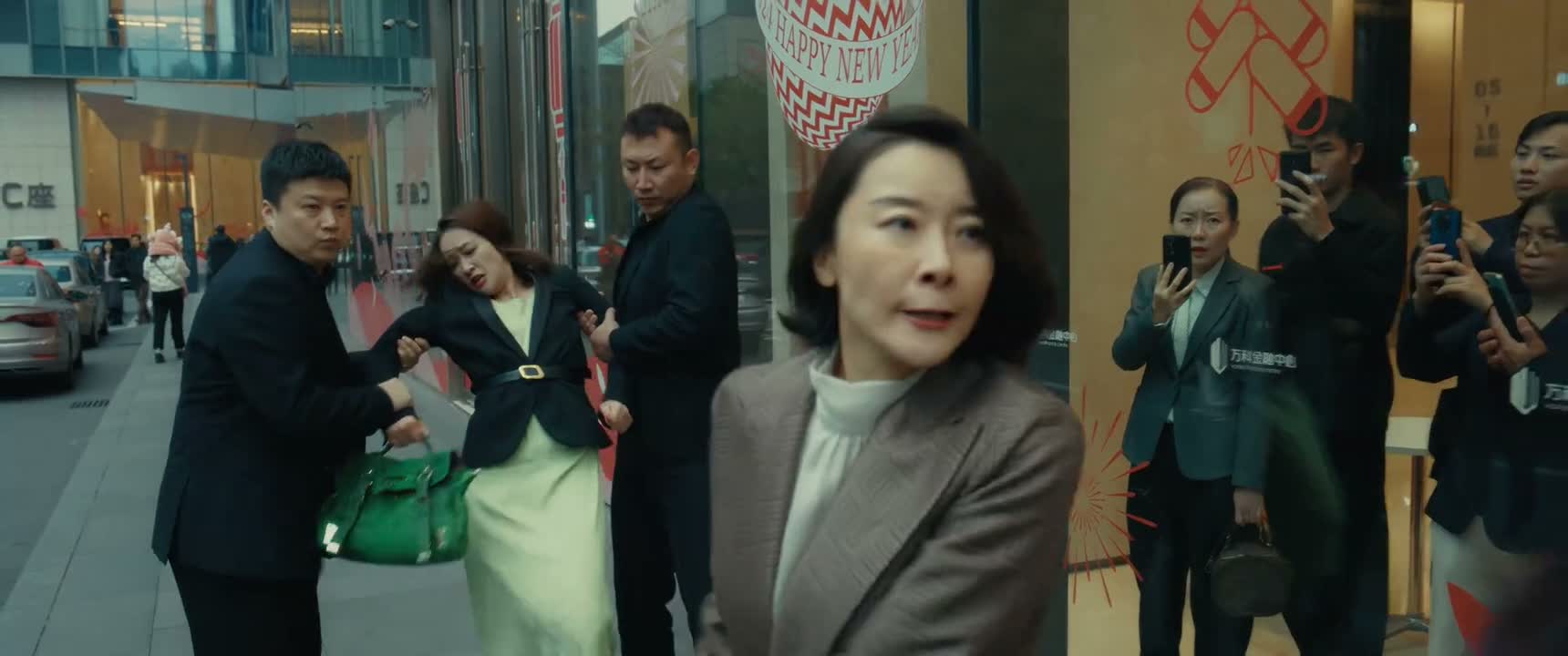
“I'll call the police. We're all people of standing. Is it you or your husband who has no shame?”
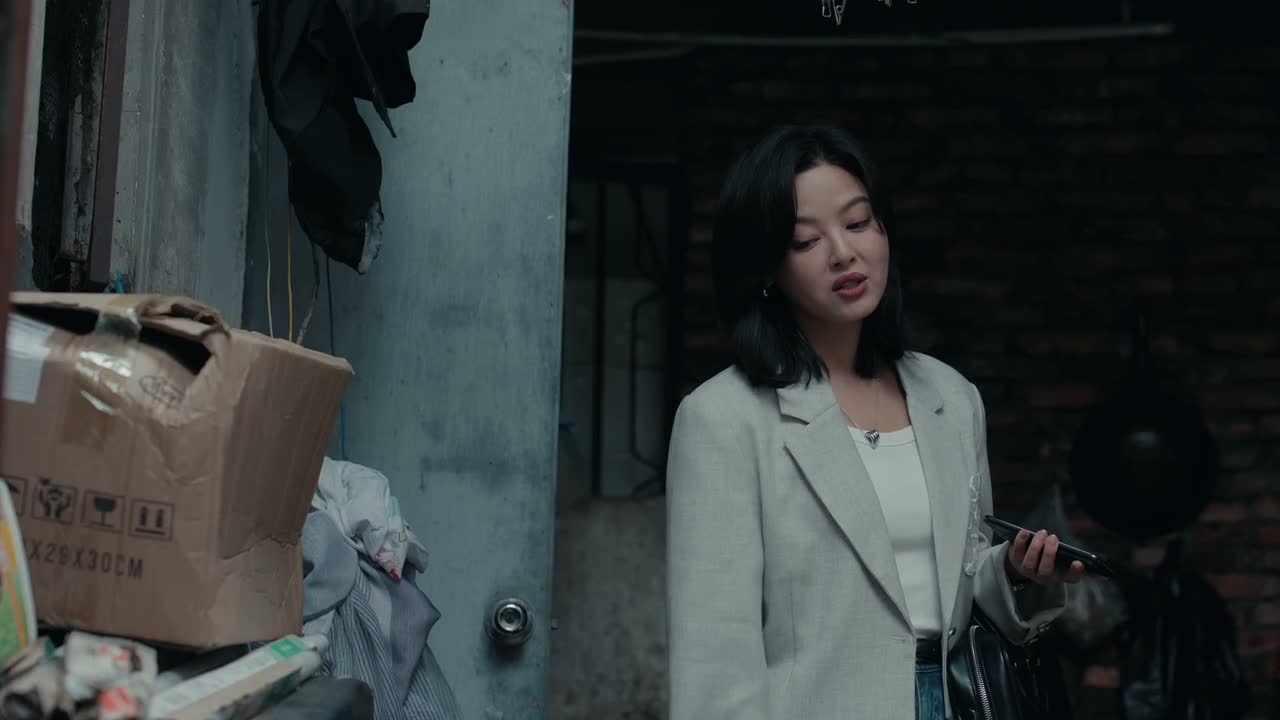
“And before the police arrived,”

“Uncle and the police made to me after I got back.”