你怎么样啊 你有睡吗 你没回去 你回去睡一觉吧
“What's up? Did you sleep? Did you go home? Go home and get some rest.”
THE DIALOGUE REEL
这沙发还是我买的呢
“I bought this sofa, you know.”
你怎么样啊 你 有 睡 吗 你 没回 去 你 回去睡一觉 吧
“What's up? Did you sleep? Did you go home? Go home and get some rest.”
昨天晚上陪我聊了一晚上
“She talked with me all night.”
Direct spoken expression in this communicative setting.
In Chinese interpersonal communication, asking directly whether someone has slept or eaten is a standard and deeply affectionate way to express genuine care.
LEARNING CHUNKS & PARTICLES
How are you doing?
A very common, colloquial way to check on someone's physical condition or state.
have a sleep; get some shut-eye
A natural verb-object collocation used to describe taking a nap or sleeping for a session.
Softens the opening inquiry, showing warmth and personal care.
Softens the imperative suggestion into a considerate recommendation.
VOCABULARY & EXPRESSIONS
Parallel Spoken Cinema Scenes (语义近邻切片)

“[Superstar Slacker] How are you? Does your head still hurt?”

“How have you been? Look at you, all suited up.”

“are you alright? Did he hit your stomach? I'm fine, I'm fine.”

“How are you? Le. I'm fine. Le.”
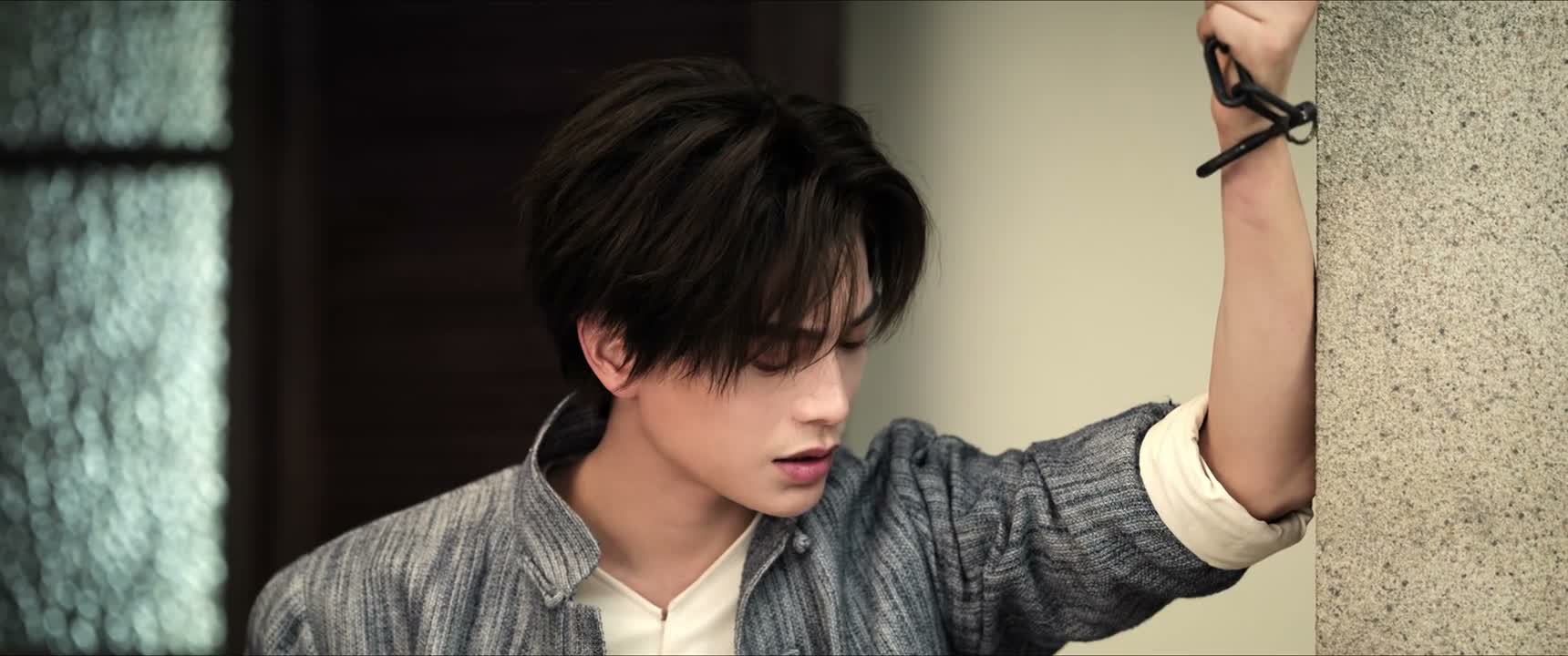
“How is it? Have you figured it out?”

“Did you sleep well? Why are you here too?”