我来开会也不是来责难谁的
“I didn't call this meeting to blame anyone.”
THE DIALOGUE REEL
当然
“Of course,”
我来 开会 也不是 来责难谁的
“I didn't call this meeting to blame anyone.”
首先我承认 我之前的判断失误了 现在才知道
“First of all, I admit I misjudged the situation before. Only now do I realize”
“Do not be defensive; I am not pointing fingers at anyone today.”
In Chinese meetings, leaders or colleagues often explicitly state they are not blaming others to prevent defensiveness and preserve collective face.
LEARNING CHUNKS & PARTICLES
to attend or hold a meeting
A very common verb-object compound used widely in daily workplace communication.
to blame or censure
A relatively formal term used when discussing fault-finding or criticism.
Affirms the speaker's true purpose or stance emphatically at the end of the sentence.
VOCABULARY & EXPRESSIONS
Parallel Spoken Cinema Scenes (语义近邻切片)

“What? Are you here for the meeting, too?”

“We're in a meeting. This isn't the proper time to discuss your personal issues. Get down.”

“We're having a work meeting here. It's not a good time.”

“Perfect. I'm here for a meeting too.”

“I'm holding this meeting today to bring those issues into the open”
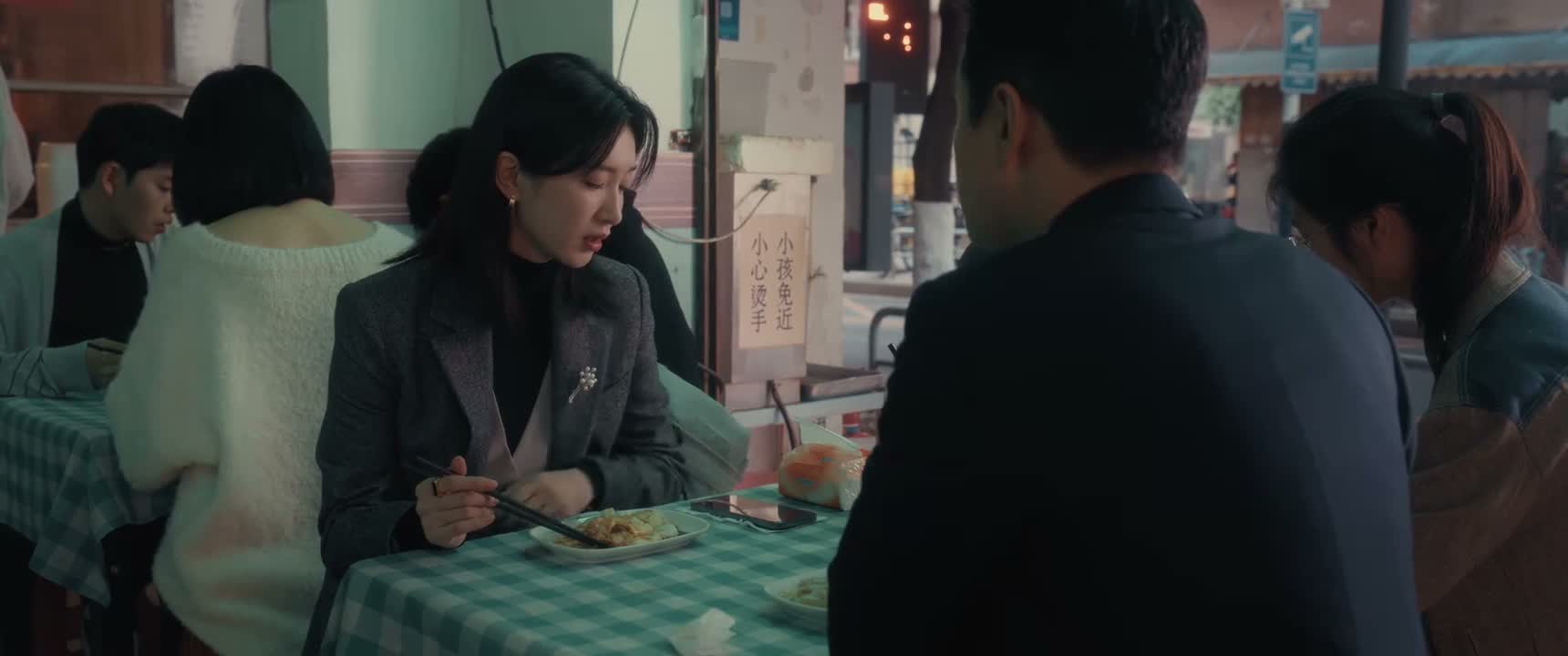
“Don't you have a morning meeting?”