MC
MandarinClips Cinema Corpus
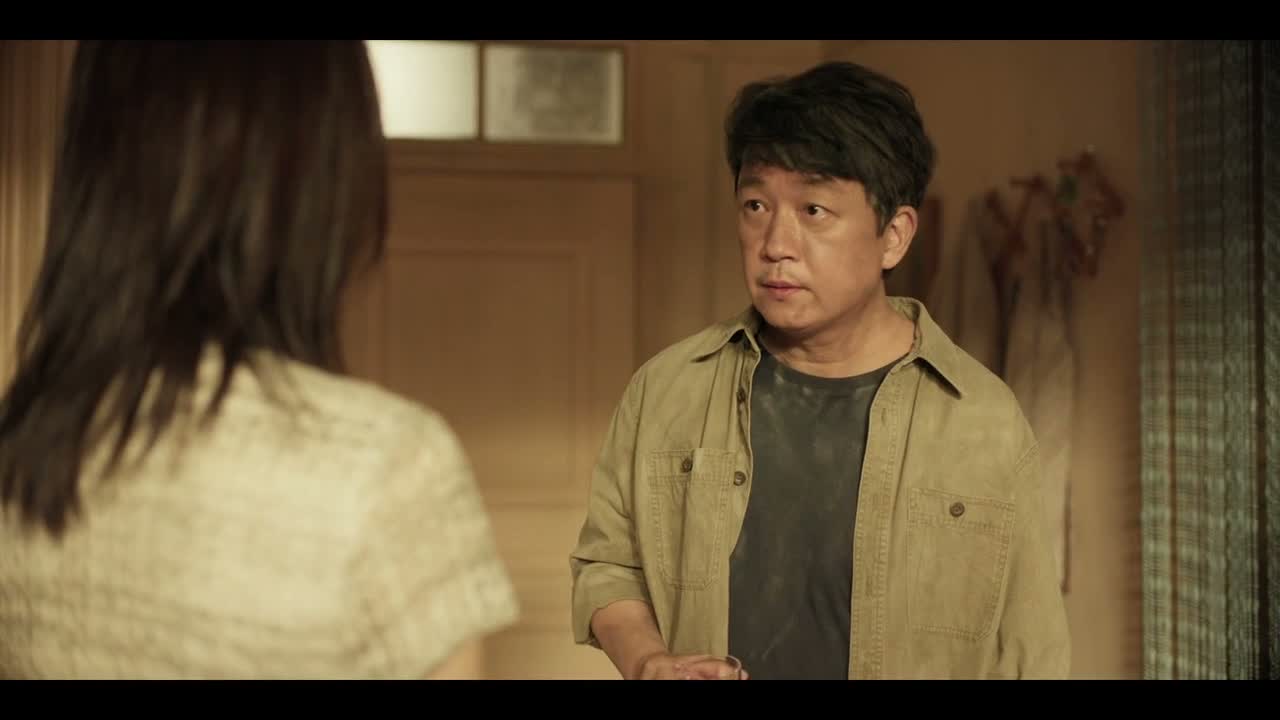
《Born to Be Alive》 S1·E4 (15:35) HSK 4
jǐng chá nǎ yǒu bù miàn duì wēi xiǎn de

警察哪有 不面对危险的

“What police officer doesn't face danger?”

《Born to Be Alive》 S1·E4
TIMECODE: 15:35 · 1080P MASTER AUDIO

THE DIALOGUE REEL

1+1+1 SPOKEN CONTINUITY
[-1] PREVIOUS TURN nǐ xiā zhī chí shén me ya

你瞎支持什么呀

“and become a cop back then?”

jǐng chá nǎ yǒu bù miàn duì wēi xiǎn de CURRENT FOCUS

警察 哪有 不 面对 危险 的

“What police officer doesn't face danger?”

[+1] FOLLOW-UP TURN nán dào jiù yīn wèi wú rén qū wēi xiǎn wǒ jiù yào wǎng hòu tuì ma

“Just because the Uninhabited Zone is dangerous, does that mean I should back off?”

Subtitles synced to millisecond timecode Browse Show Clips →
Scene: Legal & Police
Function: DEFENDING A STANCE
Tone: ASSERTIVE
Emotion: DETERMINATION
WHAT THEY REALLY MEAN (PRAGMATIC SUBTEXT)
“Danger comes with the badge, so stop trying to dissuade me.”
💡 Cultural Insight: Vocational Self-Sacrifice

In Chinese public service discourse, police and soldiers are culturally expected to embrace danger selflessly for the collective good and public protection.

INTENT TAGS: #asserting_duty #defensiveness #refutation #commitment
🧩

LEARNING CHUNKS & PARTICLES

2 CHUNKS · 1 PARTICLES
哪有 SPOKEN CHUNK

how can there be / where on earth is there

A rhetorical structure used emphatically to refute an assumption or claim that something is unnatural or impossible.

面对危险 SPOKEN CHUNK

to face danger / to confront hazards

A common verb-object collocation used when discussing courage, bravery, or perilous situations.

Modal Particle「的」 (de) CHANGE OF STATE

Functions as a nominalizer and categorical marker, reinforcing that facing danger is an intrinsic attribute of police officers.
🏮

VOCABULARY & EXPRESSIONS

3 EXPR · 1 GRAMMAR
CROSS-CINEMA CORPUS BOARD · PARALLEL SCENES

Parallel Spoken Cinema Scenes (语义近邻切片)

EXPLORE BY SEMANTIC SIMILARITY
《Born to Be Alive》 S1·E4 (15:35) · Authentic Cinema Dialogue Corpus