妈妈对不起
“Say "Mom, I'm sorry."”
THE DIALOGUE REEL
对不起
“I'm sorry.”
妈妈 对不起
“Say "Mom, I'm sorry."”
你说妈妈 妈妈
“Say "Mom." Say "Mom."”
Direct spoken expression in this communicative setting.
While traditional Chinese family members often show regret indirectly through actions, explicitly saying '对不起' to parents signifies profound emotional weight and vulnerability.
LEARNING CHUNKS & PARTICLES
I am sorry / excuse me
The standard and most direct expression of apology in Mandarin across all social contexts.
VOCABULARY & EXPRESSIONS
Parallel Spoken Cinema Scenes (语义近邻切片)

“I owe you an apology.”

“I am so sorry.”

“Say "Mom, I'm sorry."”

“I told you to say "Mom, I'm sorry."”
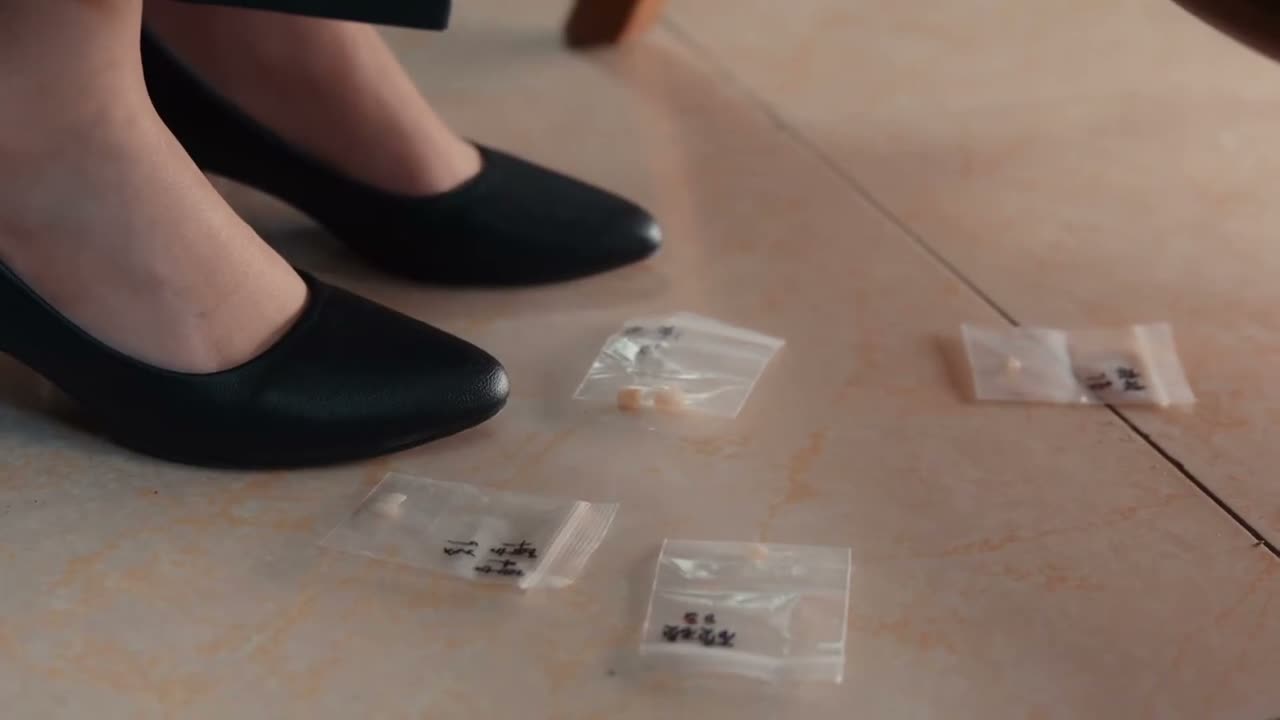
“Madam, I'm sorry. I didn't mean to.”
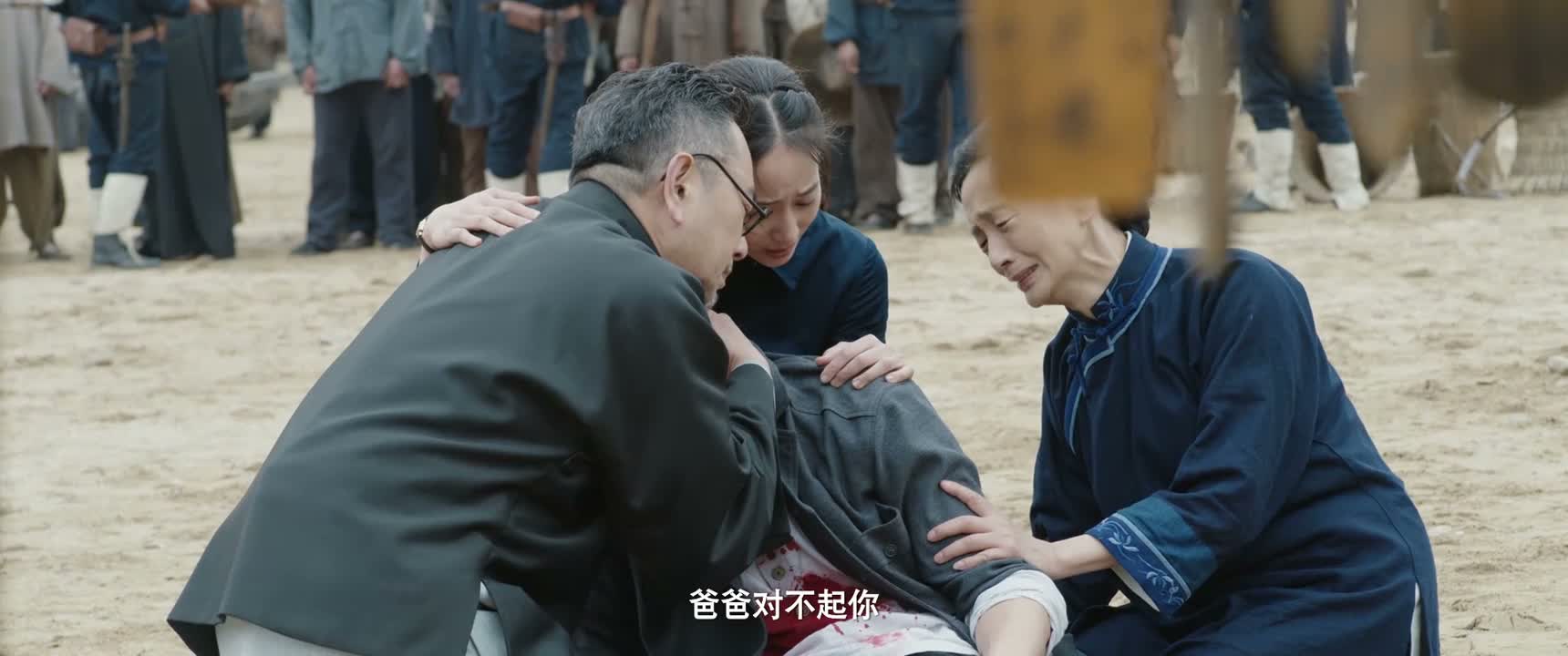
“Dad is sorry”