我不是很饿 又吃的早上剩下的
“I'm not very hungry. You had leftovers from breakfast?”
THE DIALOGUE REEL
吃饭
“Eat.”
我不是 很饿 又吃的 早上剩下的
“I'm not very hungry. You had leftovers from breakfast?”
不饿就不吃
“Don't eat then.”
Direct spoken expression in this communicative setting.
Saving and finishing leftovers from previous meals is a widespread domestic habit in Chinese households.
LEARNING CHUNKS & PARTICLES
not very hungry
A common gentle way to decline food without causing offense.
leftovers / what is left
Used universally in domestic contexts to refer to food saved from an earlier meal.
VOCABULARY & EXPRESSIONS
Parallel Spoken Cinema Scenes (语义近邻切片)

“Have you eaten? I'm not hungry.”
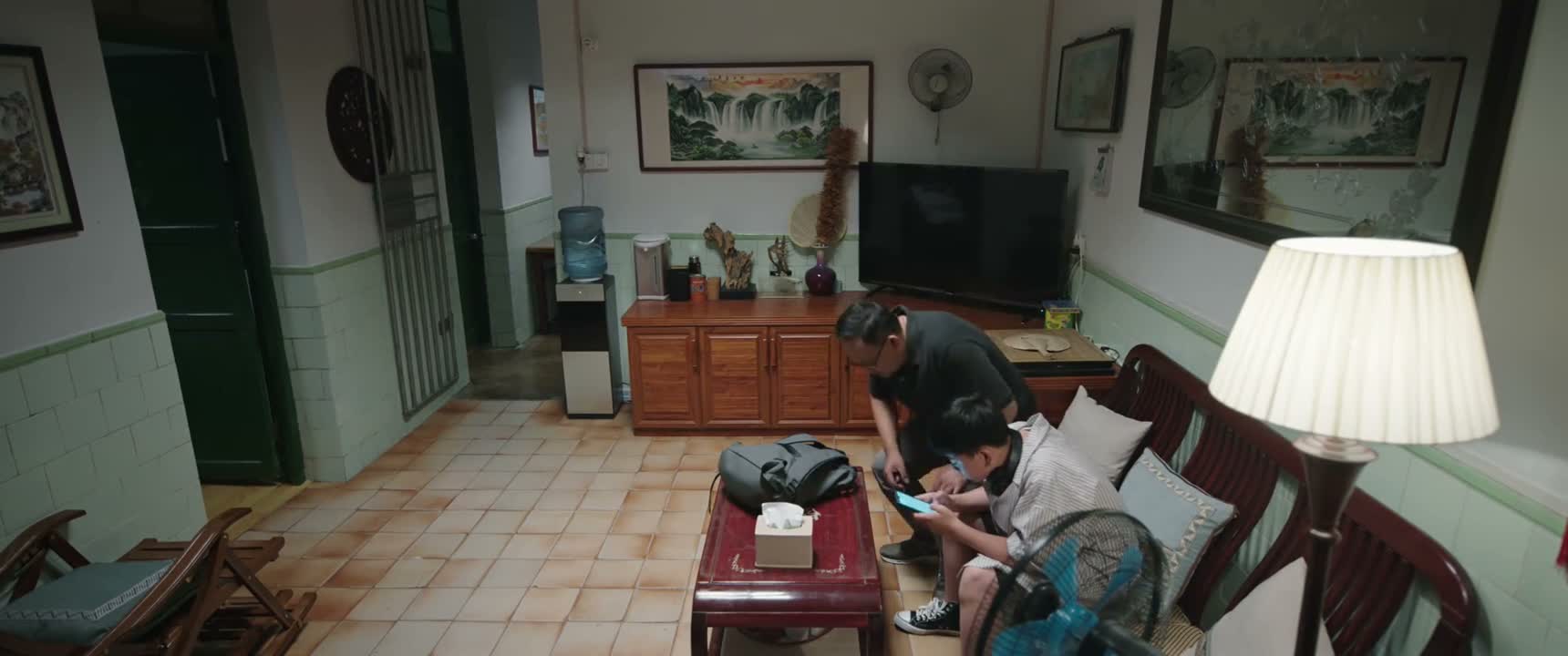
“If you're not hungry, skip eating.”

“You haven't eaten in days. You must be starving by now.”
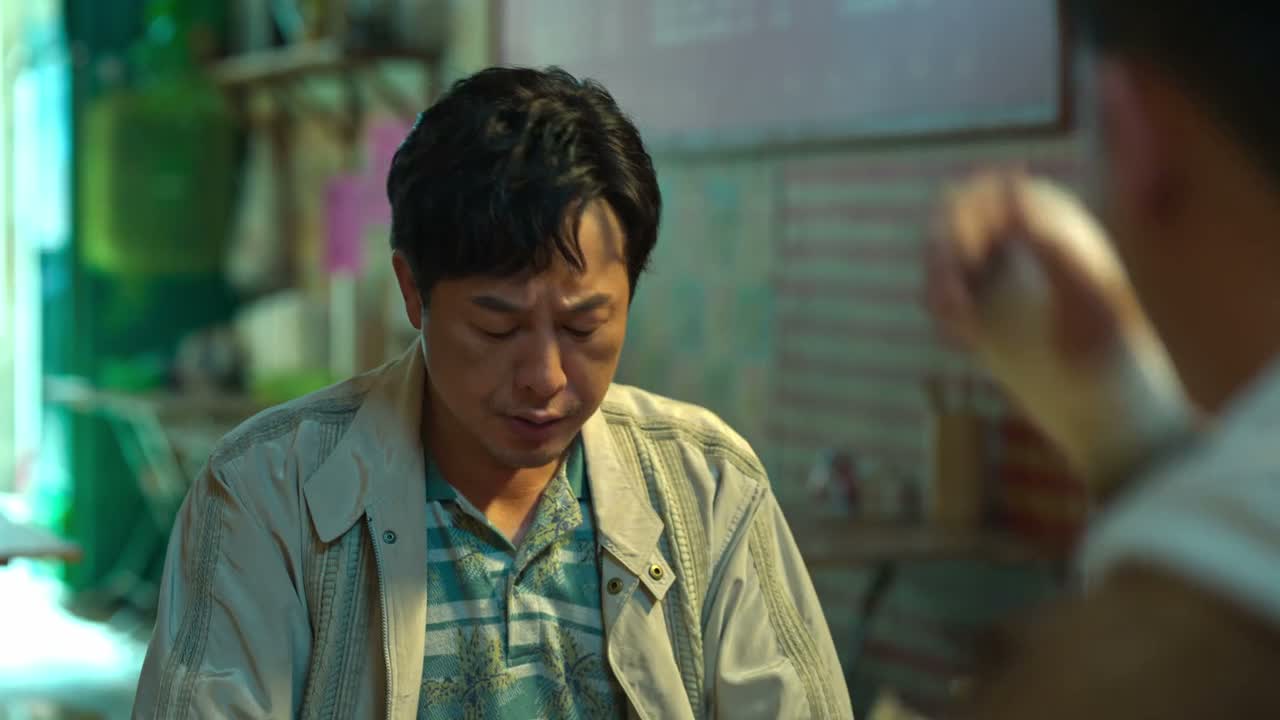
“I'm not full yet.”

“Maybe I've gone too long without eating.”

“You've been busy all night. Aren't you hungry?”