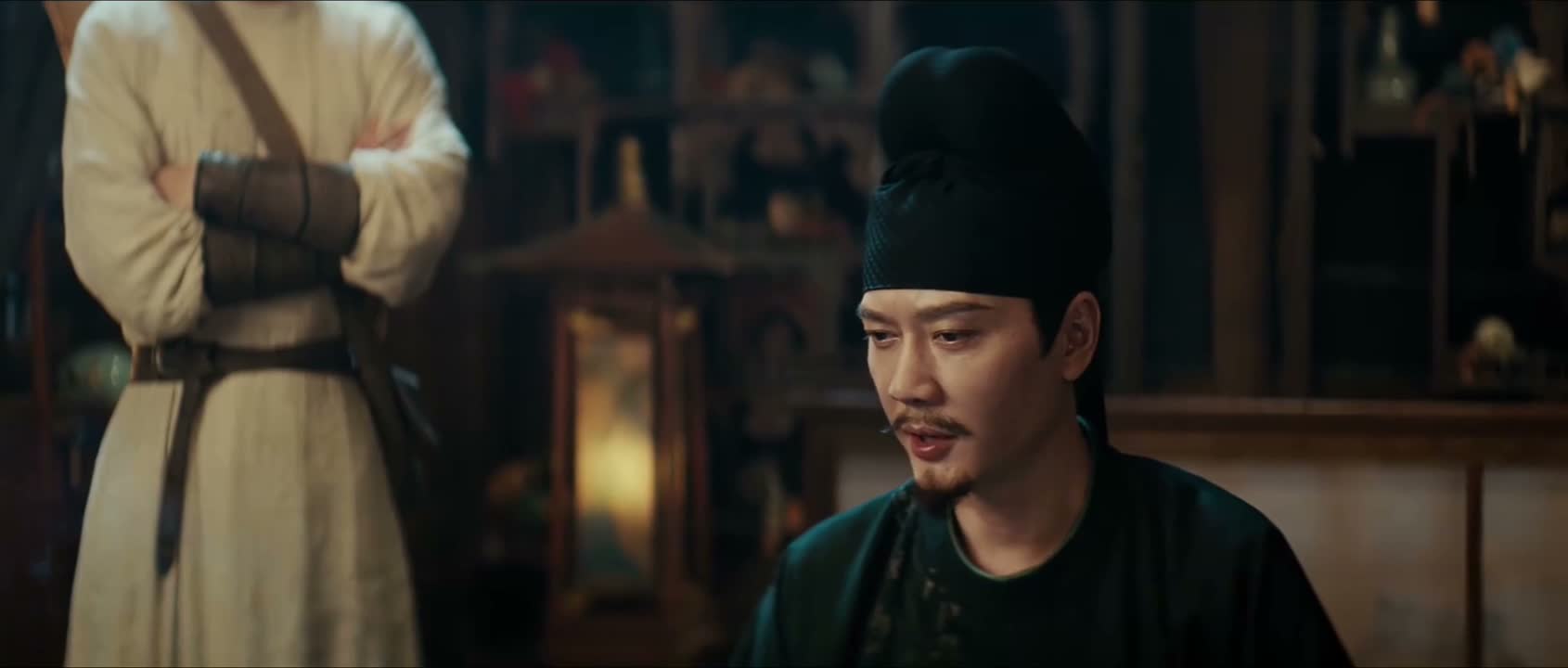
《Vanished Name》 S1·E15 (01:46)
HSK 2
wǒ méi yǒu tài zhǎng shí jiān le
我没有太长时间了
“I don't have much time left.”
《Vanished Name》
S1·E15
TIMECODE: 01:46
·
1080P MASTER AUDIO
THE DIALOGUE REEL
wǒ méi yǒu tài zhǎng shí jiān le
CURRENT FOCUS
我没有 太 长 时间 了
“I don't have much time left.”
[+1] FOLLOW-UP TURN
méi bàn fǎ wán chéng zán liǎ dāng nián de yuē dìng le
没办法完成 咱俩当年的约定了
“I can't fulfill the promise we made back then.”
Subtitles synced to millisecond timecode
Browse Show Clips →
Scene:
Medical & Health
Function:
DELIVERING TRAGIC NEWS
Tone:
HELPLESS
Emotion:
SADNESS
WHAT THEY REALLY MEAN (PRAGMATIC SUBTEXT)
“Please accept reality, I won't survive this.”
💡 Cultural Insight: Understated Farewell
In Chinese emotional expressions, terminal realities are often stated calmly with understated phrases rather than dramatic outbursts to soften emotional blow on loved ones.
INTENT TAGS:
#resignation
#farewell
#accepting_reality
#sorrow
🧩
1 CHUNKS · 1 PARTICLES
LEARNING CHUNKS & PARTICLES
没有太长时间
SPOKEN CHUNK
not having much time left
Commonly used in serious health contexts to imply terminal illness or imminent departure.
Modal Particle「了」 (le)
CHANGE OF STATE
Signifies a change of state, highlighting that time is running out now.
🏮
2 EXPR · 2 GRAMMAR
VOCABULARY & EXPRESSIONS
COLLOQUIAL EXPRESSIONS:
CROSS-CINEMA CORPUS BOARD · PARALLEL SCENES
EXPLORE BY SEMANTIC SIMILARITY
Parallel Spoken Cinema Scenes (语义近邻切片)
《Vanished Name》 S1·E15 (01:46) · Authentic Cinema Dialogue Corpus