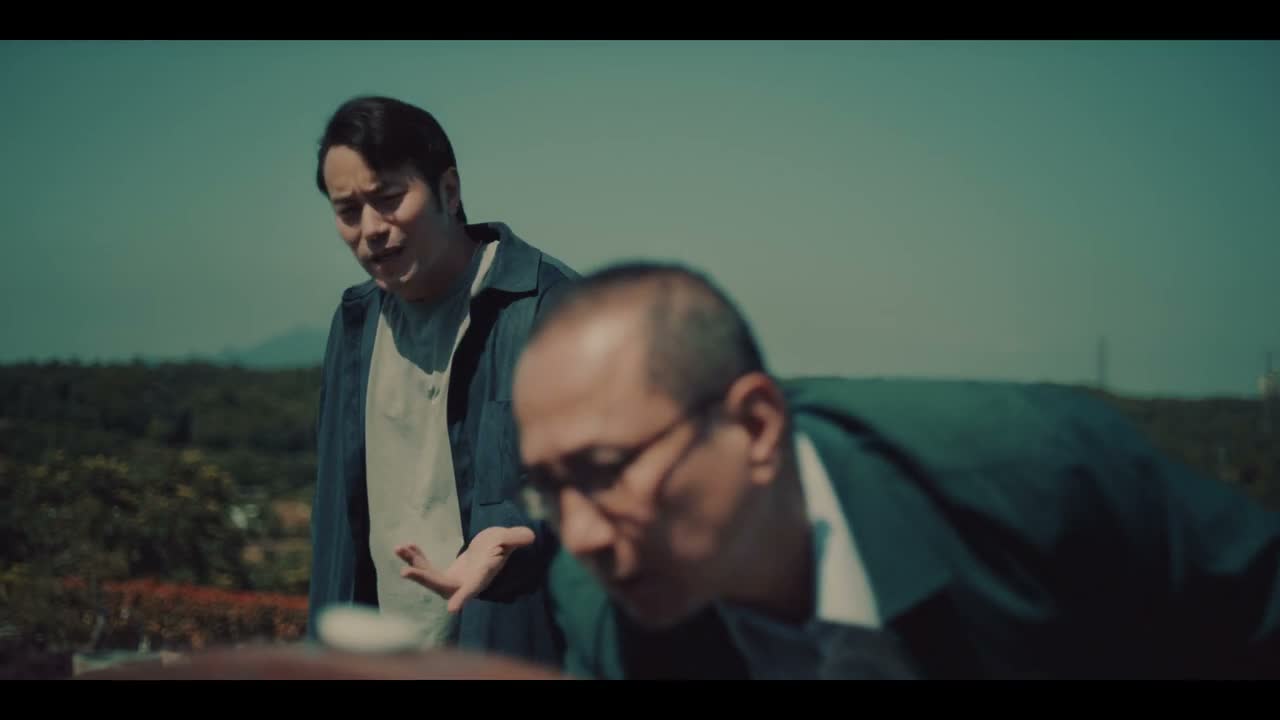
《Veil of Shadows》 S1·E21 (17:55)
HSK 3
nǐ bú shì zuì xǐ huān tīng gù shì ma ?
你不是最喜欢听故事吗?
“You like stories, don't you?”
《Veil of Shadows》
S1·E21
TIMECODE: 17:55
·
1080P MASTER AUDIO
THE DIALOGUE REEL
[-1] PREVIOUS TURN
jiù huì bèi wǒ huǐ diào
就会被我毁掉
“would be destroyed by me.”
nǐ bú shì zuì xǐ huān tīng gù shì ma ?
CURRENT FOCUS
你 不是 最喜欢听故事 吗 ?
“You like stories, don't you?”
[+1] FOLLOW-UP TURN
bú yào shuì le
不要睡了
“Stop sleeping.”
Subtitles synced to millisecond timecode
Browse Show Clips →
Scene:
Crisis & Conflict
Function:
PLEADING AWAKENING
Tone:
PLEADING
Emotion:
DESPERATION
WHAT THEY REALLY MEAN (PRAGMATIC SUBTEXT)
“Please stay awake; you cannot give up and leave me now.”
💡 Cultural Insight: Emotional Awakening Trope
In Chinese melodramas, recalling simple cherished shared habits is a common dramatic device to summon the spirit or consciousness of a loved one on the verge of death.
INTENT TAGS:
#pleading
#reminding
#coaxing
#awakening
🧩
2 CHUNKS · 1 PARTICLES
LEARNING CHUNKS & PARTICLES
听故事
SPOKEN CHUNK
to listen to stories
A common everyday collocation used when children or loved ones enjoy hearing narratives.
你不是……吗
SPOKEN CHUNK
aren't you... / didn't you...
A rhetorical question pattern used to point out a known fact or highlight an apparent contradiction.
Modal Particle「吗」 (ma)
CHANGE OF STATE
Marks a rhetorical question to prompt reflection and an urgent response.
🏮
2 EXPR · 2 GRAMMAR
VOCABULARY & EXPRESSIONS
COLLOQUIAL EXPRESSIONS:
CROSS-CINEMA CORPUS BOARD · PARALLEL SCENES
EXPLORE BY SEMANTIC SIMILARITY
Parallel Spoken Cinema Scenes (语义近邻切片)

《Veil of Shadows》 S1·E21 (17:55) · Authentic Cinema Dialogue Corpus