《Dog Man》 S1·E10 (13:10)
HSK 3
nǐ bú shì yīng gāi gēn nǐ zuì ài de ér zi jiǎng ma ?
你不是应该跟你最爱的儿子讲吗?
“Shouldn't you be telling your favorite son?”
《Dog Man》
S1·E10
TIMECODE: 13:10
·
1080P MASTER AUDIO
THE DIALOGUE REEL
[-1] PREVIOUS TURN
nǐ zhè zhǒng shì qíng jiāo dài gěi wǒ gàn shén me ?
你这种事情交代给我干什么?
“Why are you telling me this?”
nǐ bú shì yīng gāi gēn nǐ zuì ài de ér zi jiǎng ma ?
CURRENT FOCUS
你 不是应该 跟你 最爱的 儿子 讲 吗?
“Shouldn't you be telling your favorite son?”
[+1] FOLLOW-UP TURN
wǒ bú shì zhèng zài shuō ma ?
我不是正在说吗?
“I am.”
Subtitles synced to millisecond timecode
Browse Show Clips →
Scene:
Family & Home
Function:
DEFLECTING RESPONSIBILITY
Tone:
SARCASTIC
Emotion:
RESENTMENT
WHAT THEY REALLY MEAN (PRAGMATIC SUBTEXT)
“Why dump this on me when you always favor him over me?”
💡 Cultural Insight: Sibling Rivalry and Parental Favoritism (Pianxin)
Parental partiality is a sensitive topic in Chinese family dynamics, often sparking passive-aggressive resentment when neglected children are suddenly burdened with duties.
INTENT TAGS:
#deflection
#resentment
#sarcasm
#reproach
🧩
2 CHUNKS · 1 PARTICLES
LEARNING CHUNKS & PARTICLES
你不是应该
SPOKEN CHUNK
shouldn't you
A rhetorical device used to question someone's logic or remind them of what they ought to do.
最爱的儿子
SPOKEN CHUNK
favorite son
Commonly used in domestic disputes to highlight perceived parental favoritism or sibling rivalry.
Modal Particle「吗」 (ma)
CHANGE OF STATE
Transforms the statement into a rhetorical question loaded with challenge and reproach.
🏮
3 EXPR · 12 GRAMMAR
VOCABULARY & EXPRESSIONS
COLLOQUIAL EXPRESSIONS:
CROSS-CINEMA CORPUS BOARD · PARALLEL SCENES
EXPLORE BY SEMANTIC SIMILARITY
Parallel Spoken Cinema Scenes (语义近邻切片)
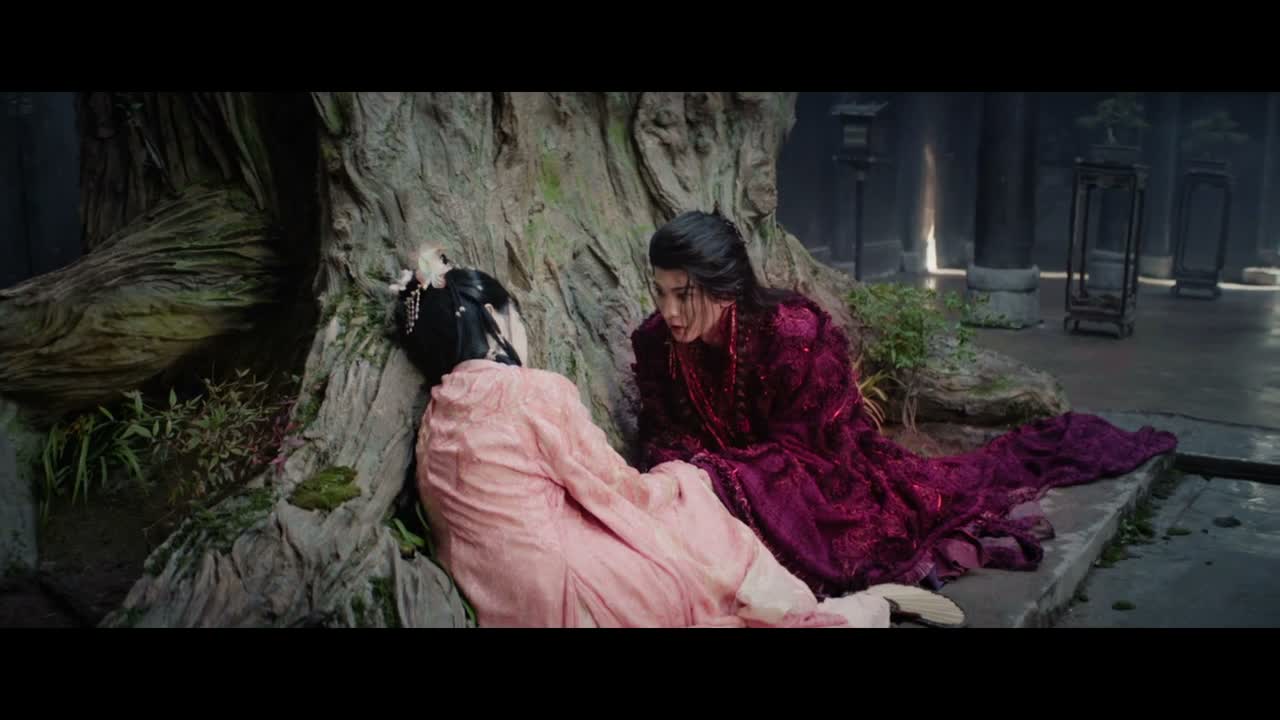
《Dog Man》 S1·E10 (13:10) · Authentic Cinema Dialogue Corpus