是不是太欺负人了
“They were bullying him.”
THE DIALOGUE REEL
“How can you get back what you gave?”
是不是 太欺负人了
“They were bullying him.”
你说的这些 我们还得核实 我现在问你
“We need to verify what you said. Let me ask you.”
“You have to help me, they are treating me completely unfairly!”
Chinese speakers often invoke rhetorical appeals like 'bullying people' to mobilize the listener's innate sense of fairness and moral obligation.
LEARNING CHUNKS & PARTICLES
to bully someone; to treat someone unfairly
A common spoken chunk used when expressing outrage at being taken advantage of or mistreated.
isn't it a bit too...
A rhetorical framing pattern used to prompt agreement that a boundary has been crossed.
Indicates that an unacceptable threshold or extreme degree of mistreatment has been reached.
VOCABULARY & EXPRESSIONS
Parallel Spoken Cinema Scenes (语义近邻切片)
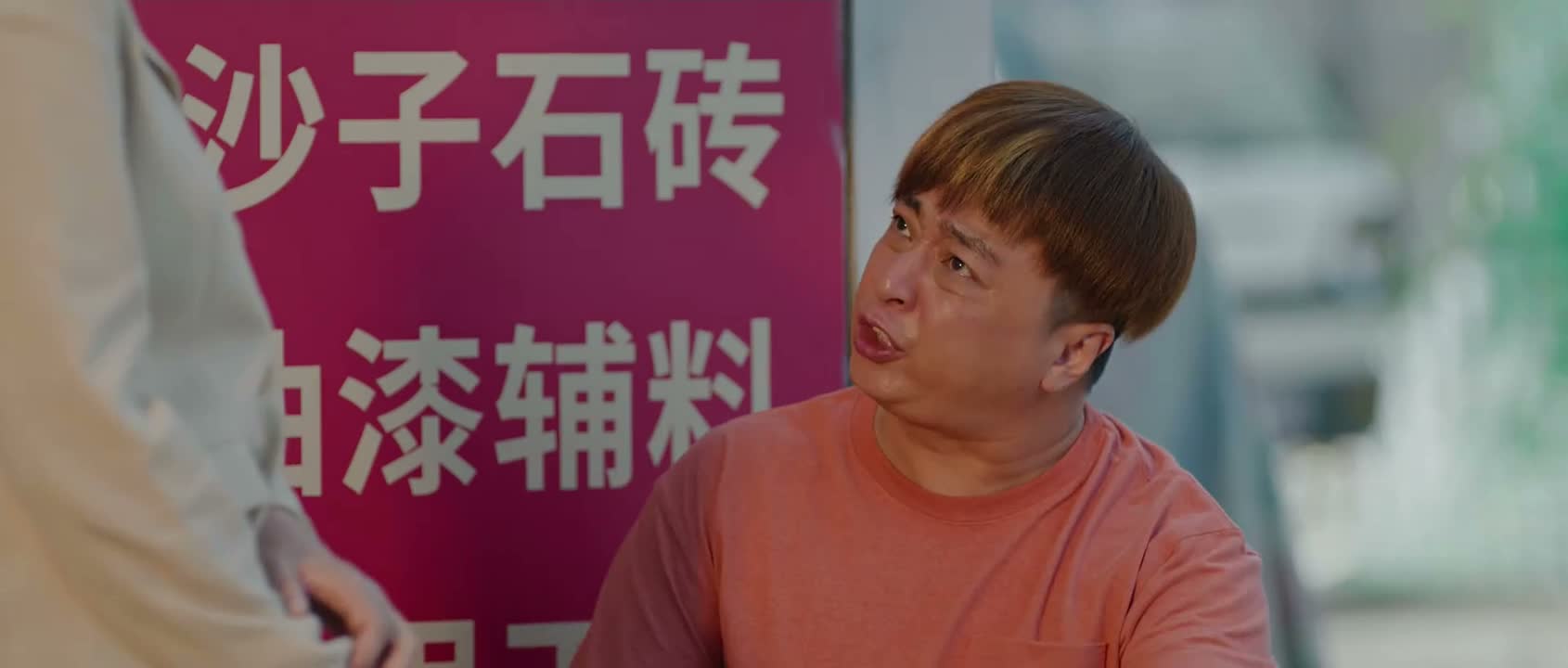
“Take our money and won't let us sell? That's bullying.”

“This is practically workplace bullying.”

“Why pick on the kid? What's wrong?”