她为何一定要置我于死地呢
“Why do you think she wanted me dead?”
THE DIALOGUE REEL
她 为何 一定要 置我于死地 呢
“Why do you think she wanted me dead?”
她这么做 是为了蛊惑民心
“She did it to sway public sentiment.”
Direct spoken expression in this communicative setting.
Originating from classical literature such as Sun Tzu's Art of War, this set phrase expresses absolute malice and relentless intent to eliminate an opponent.
LEARNING CHUNKS & PARTICLES
put me to death / drive me to ruin
A literary idiom derived from classic military strategy, used here to describe ruthless intent to kill or destroy someone.
why
A formal and literary equivalent of '为什么', very common in period and dramatic spoken Chinese.
Softens the interrogative sentence, marking genuine perplexity and deep reflection.
VOCABULARY & EXPRESSIONS
Parallel Spoken Cinema Scenes (语义近邻切片)
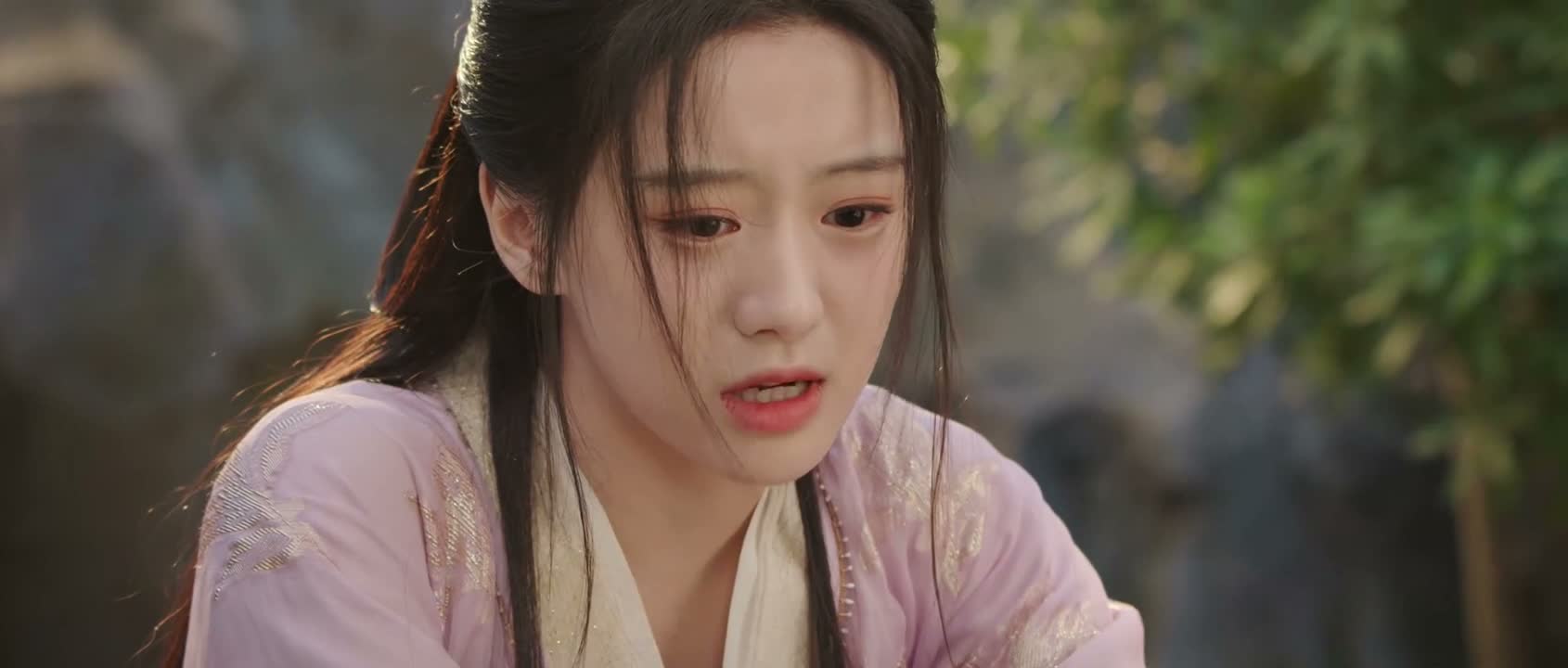
“Why must they die?”

“Why did you repeatedly poison her?”
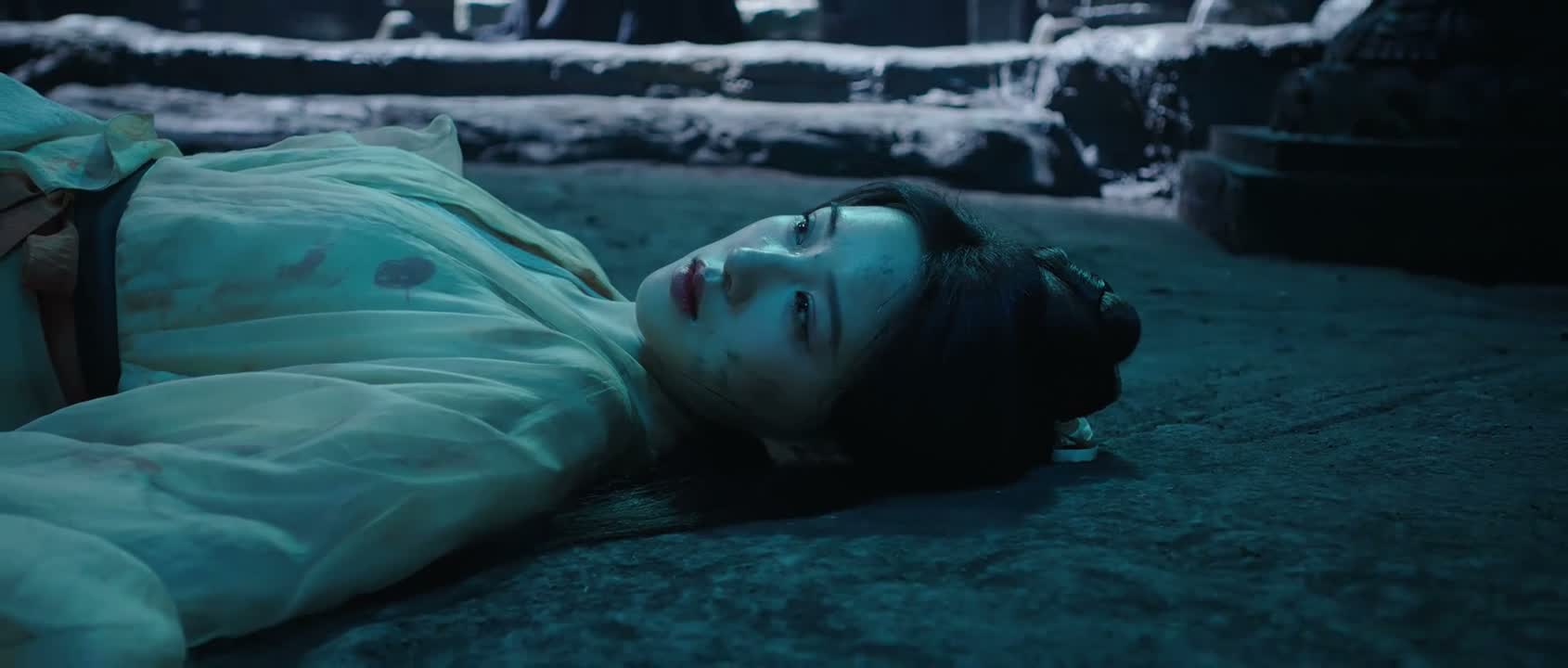
“Why did you kill her?”

“Why would you try to frame her? Why do you think!”

“Why did Wang Anping want her dead so badly?”