为什么又要嫁祸她? 你说为什么?
“Why would you try to frame her? Why do you think!”
THE DIALOGUE REEL
“You kept insisting that you wanted to protect Qiao Suqing.”
为什么 又要 嫁祸 她? 你说为什么 ?
“Why would you try to frame her? Why do you think!”
为了我们的安全
“It was for our safety.”
“You lied about protecting her, and you have no moral justification for what you are doing.”
In Chinese interpersonal conflicts, calling out someone whose actions contradict their moral declarations ('口口声声') is a potent rhetorical strategy to strip them of moral standing.
LEARNING CHUNKS & PARTICLES
to frame someone; to shift blame onto someone else
A formal or dramatic verb commonly used in conflicts or legal disputes to describe maliciously deflecting guilt onto an innocent person.
Tell me why / What do you have to say for yourself?
A rhetorical, challenging phrase used in confrontations to press someone for an answer when their actions seem indefensible.
VOCABULARY & EXPRESSIONS
Parallel Spoken Cinema Scenes (语义近邻切片)

“Why did you put her in a palace wall?”
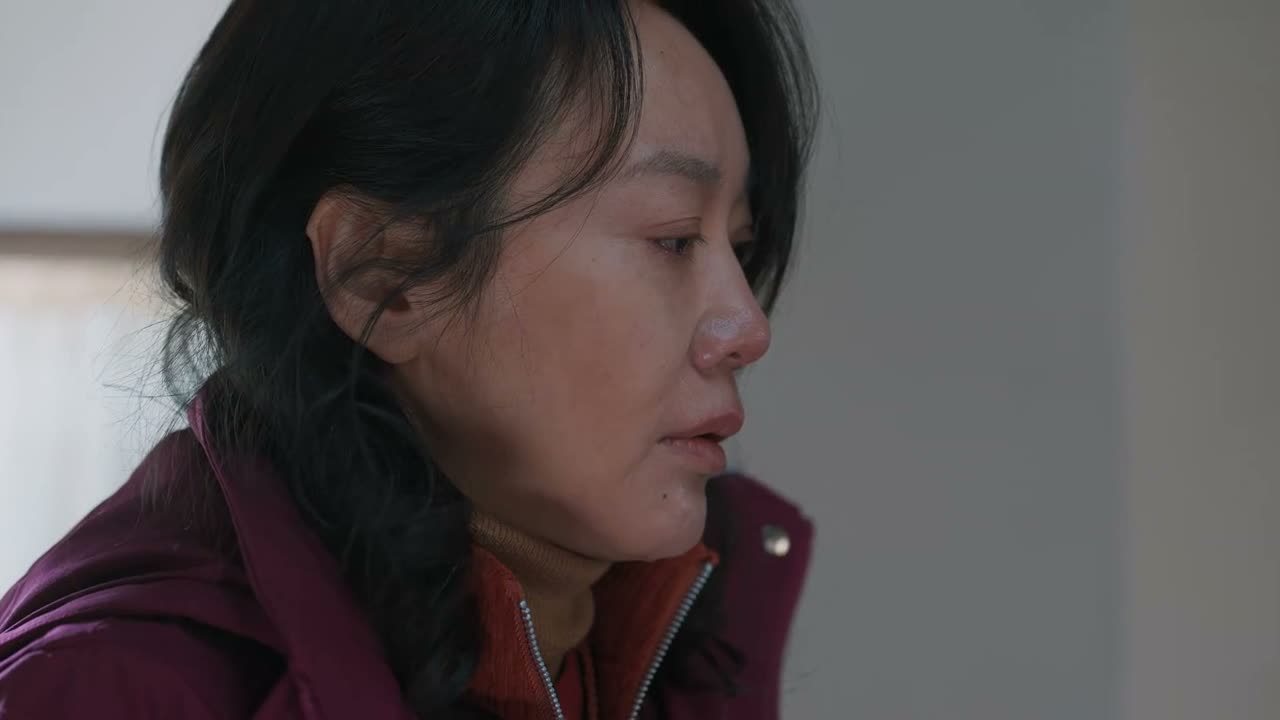
“Why borrow from her?”
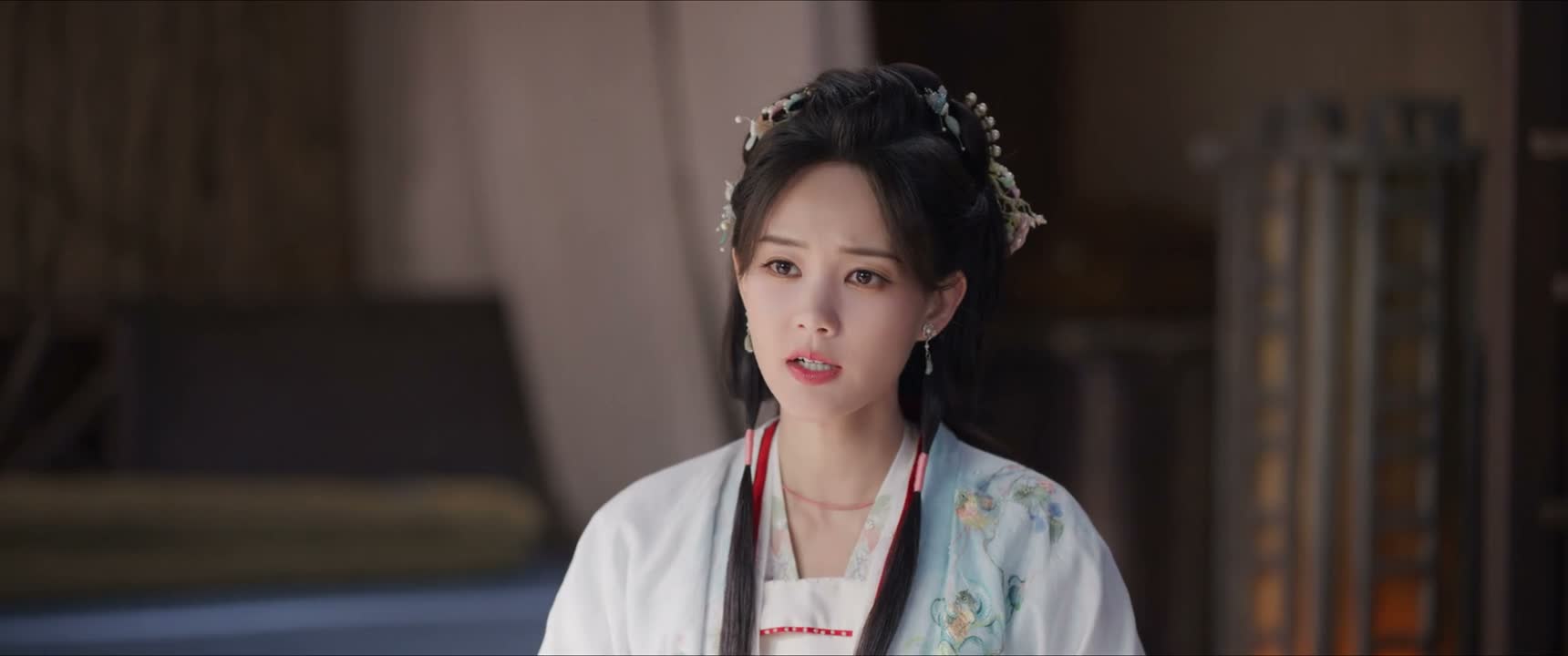
“Why do you think she wanted me dead?”
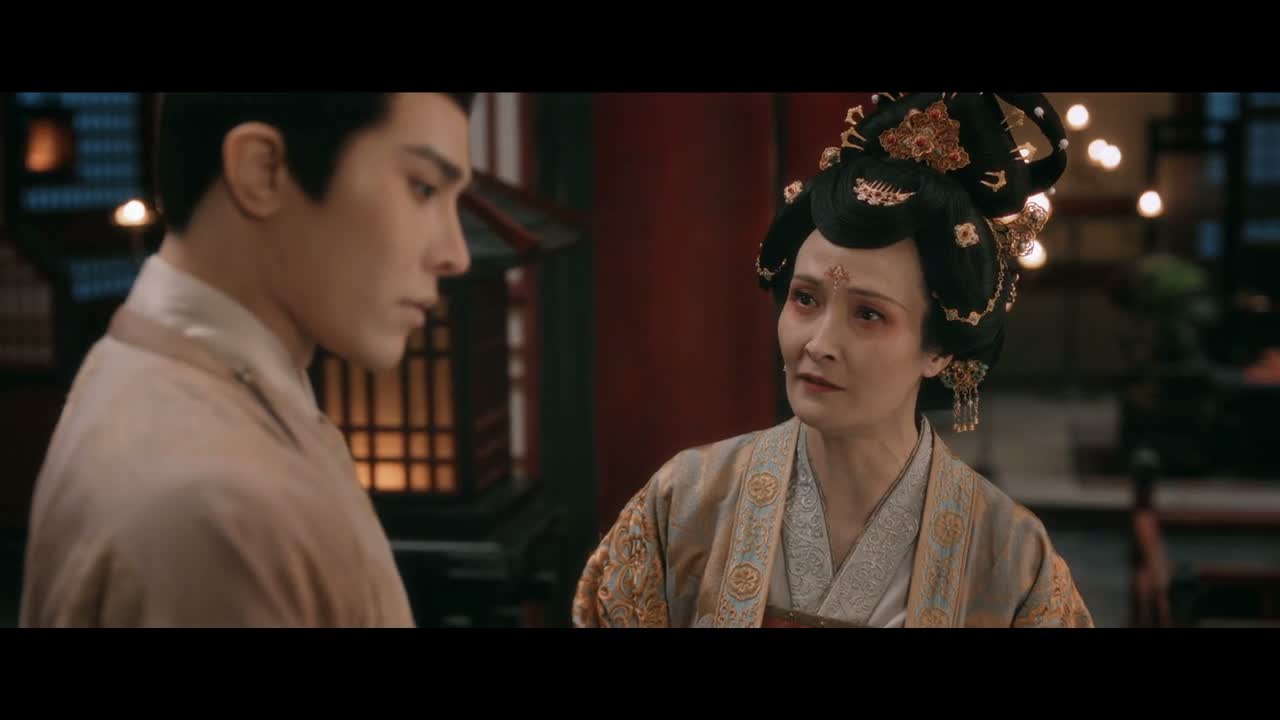
“why do you cling to her alone?”

“Why must we destroy the entire clan?”

“why make things difficult for her?”