MC
MandarinClips Cinema Corpus
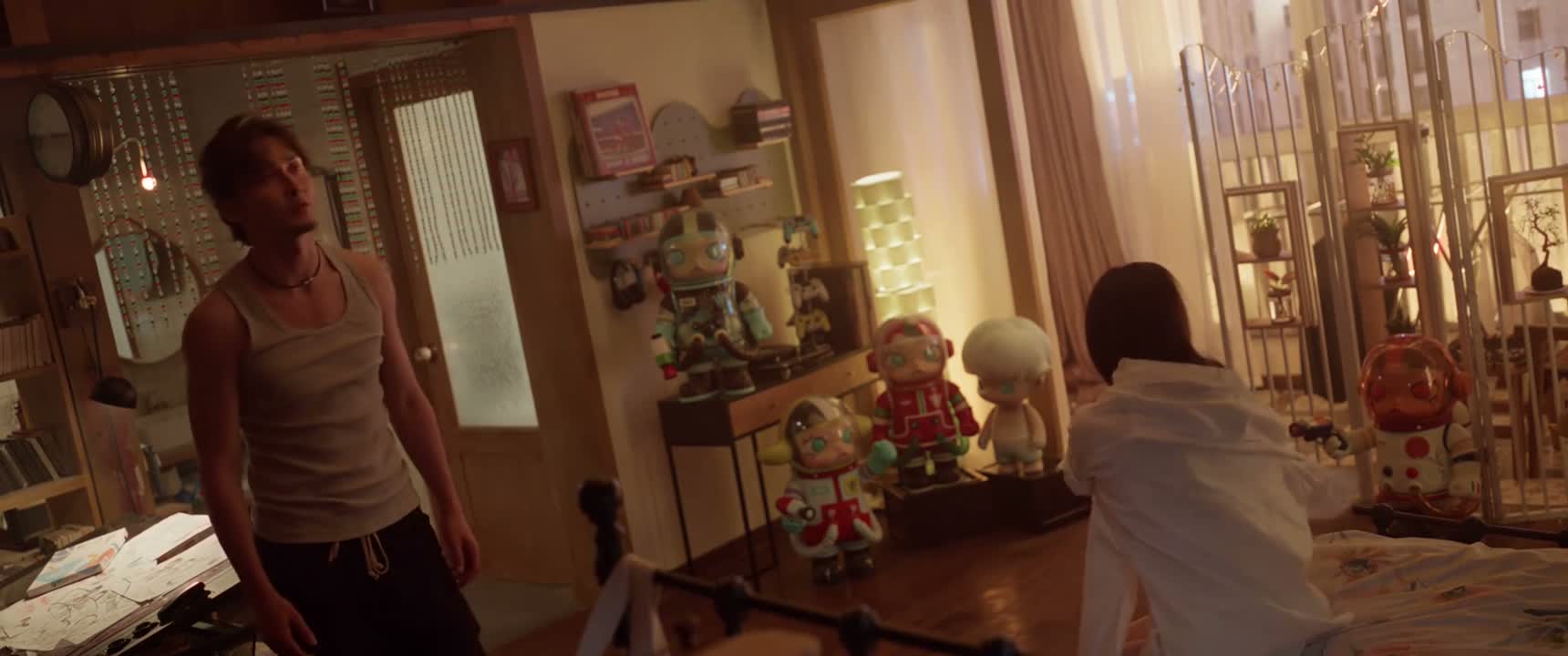
《Sunsets Secrets Regrets》 S1·E2 (24:52) HSK 2
dào zhè ér le wǒ hái néng gēn nǐ zhuāng hú tú ma

到这儿了我还能跟你装糊涂吗

“How could I still play dumb at this point?”

《Sunsets Secrets Regrets》 S1·E2
TIMECODE: 24:52 · 1080P MASTER AUDIO

THE DIALOGUE REEL

1+1+1 SPOKEN CONTINUITY
[-1] PREVIOUS TURN bù néng gòu bù néng gòu

不能够不能够

“No, of course not.”

dào zhè ér le wǒ hái néng gēn nǐ zhuāng hú tú ma CURRENT FOCUS

到这儿 了我 还能 跟你 装糊涂 吗

“How could I still play dumb at this point?”

[+1] FOLLOW-UP TURN nà tiān wǒ jiù zài jiā lǐ miàn shuì jiào nǎ ér dōu méi qù

那天我就在家里面睡觉 哪儿都没去

“I was just sleeping at home that day. Didn't go anywhere.”

Subtitles synced to millisecond timecode Browse Show Clips →
Scene: Legal & Police
Function: ASSERTING HONESTY
Tone: DEFENSIVE
Emotion: ANXIETY
WHAT THEY REALLY MEAN (PRAGMATIC SUBTEXT)
“Look, I know there is no way out of this, so believe me when I tell you what happened.”
💡 Cultural Insight: Rhetorical Self-Vindication

In high-pressure questioning contexts, Chinese speakers frequently use negative rhetorical questions with modal verbs like '还能...吗' to strongly project candor and cooperative intent.

INTENT TAGS: #self_defense #protesting_innocence #feigning_compliance #justification
🧩

LEARNING CHUNKS & PARTICLES

2 CHUNKS · 1 PARTICLES
装糊涂 SPOKEN CHUNK

play dumb / feign ignorance

Use when someone is pretending not to understand an issue in order to dodge responsibility or avoid trouble.

到这儿了 SPOKEN CHUNK

now that things have reached this stage / at this point

Commonly used to indicate that circumstances have escalated to an irreversible or critical point.

Modal Particle「吗」 (ma) CHANGE OF STATE

Forms a rhetorical question that strongly implies an emphatic negative ('Of course I wouldn't').
🏮

VOCABULARY & EXPRESSIONS

3 EXPR · 2 GRAMMAR
CROSS-CINEMA CORPUS BOARD · PARALLEL SCENES

Parallel Spoken Cinema Scenes (语义近邻切片)

EXPLORE BY SEMANTIC SIMILARITY
《Sunsets Secrets Regrets》 S1·E2 (24:52) · Authentic Cinema Dialogue Corpus