MC
MandarinClips Cinema Corpus
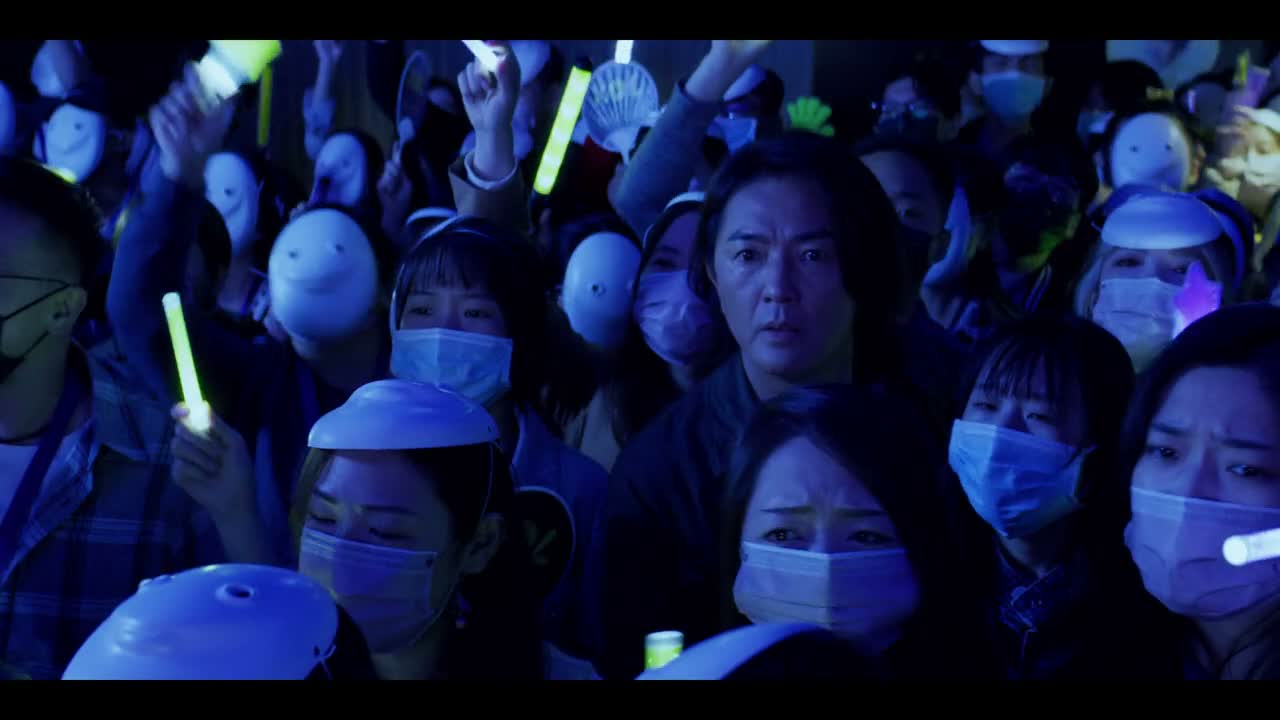
《Sunsets Secrets Regrets》 S1·E2 (09:55) HSK 5
xū yào gěi nǐ bào jǐng ma zhè nǎ ér lái de bù zhǎng yǎn de nǚ rén

需要给你报警吗 这哪儿来的不长眼的女人

“Do you need me to call the police? Where did this nosy woman come from?”

《Sunsets Secrets Regrets》 S1·E2
TIMECODE: 09:55 · 1080P MASTER AUDIO

THE DIALOGUE REEL

1+1+1 SPOKEN CONTINUITY
[-1] PREVIOUS TURN nǐ méi shì ér ba

你没事儿吧

“Are you okay?”

xū yào gěi nǐ bào jǐng ma zhè nǎ ér lái de bù zhǎng yǎn de nǚ rén CURRENT FOCUS

需 要给你 报警 吗 这 哪儿来的 不长眼 的女人

“Do you need me to call the police? Where did this nosy woman come from?”

[+1] FOLLOW-UP TURN guān nǐ pì shì a

关你屁事啊

“Mind your own business.”

Subtitles synced to millisecond timecode Browse Show Clips →
Scene: Crisis & Conflict
Function: VERBAL ATTACK
Tone: CONFRONTATIONAL
Emotion: ANGER
WHAT THEY REALLY MEAN (PRAGMATIC SUBTEXT)
“Back off before I call the cops, you reckless idiot.”
💡 Cultural Insight: Street Confrontation Rhetoric

Invoking the police ('报警') is often used rhetorically in Chinese street arguments to establish moral dominance and frighten an opponent rather than representing an immediate plan to call.

INTENT TAGS: #intimidation #insult #provocation #intervention
🧩

LEARNING CHUNKS & PARTICLES

2 CHUNKS · 1 PARTICLES
不长眼 SPOKEN CHUNK

inconsiderate; lacking vision or tact; reckless

A highly colloquial, insulting descriptor used to scold someone who blunders into trouble or fails to notice danger.

哪儿来的 SPOKEN CHUNK

where did (someone/something) come from

Frequently used rhetorically to express utter annoyance, disbelief, or contempt toward an unwelcome intruder.

Modal Particle「吗」 (ma) CHANGE OF STATE

Turns the statement into a rhetorical question to provoke or challenge the listener.
🏮

VOCABULARY & EXPRESSIONS

4 EXPR · 0 GRAMMAR
CROSS-CINEMA CORPUS BOARD · PARALLEL SCENES

Parallel Spoken Cinema Scenes (语义近邻切片)

EXPLORE BY SEMANTIC SIMILARITY
《Sunsets Secrets Regrets》 S1·E2 (09:55) · Authentic Cinema Dialogue Corpus