我又犯糊涂了呢
“I was getting muddled again.”
THE DIALOGUE REEL
我以为
“I thought”
我又 犯糊涂 了 呢
“I was getting muddled again.”
没有
“No, you weren't.”
“Silly me, my mind slipped again, don't mind my silliness.”
Chinese speakers often proactively label their own mistakes as 'muddled' or 'confused' to save face and prompt the listener to politely disagree and offer comfort.
LEARNING CHUNKS & PARTICLES
to act confused or make a silly mistake
A very common colloquial expression used to admit a lapse in judgment or momentary forgetfulness without sounding defensive.
Marks a newly realized state or change of situation.
Softens the assertion into a rhetorical or reflective question, soliciting gentle contradiction or reassurance.
VOCABULARY & EXPRESSIONS
Parallel Spoken Cinema Scenes (语义近邻切片)

“I'm so confused.”

“without confirming anything.”

“We just get each other and get by.”

“But that doesn't mean we settle for everything.”
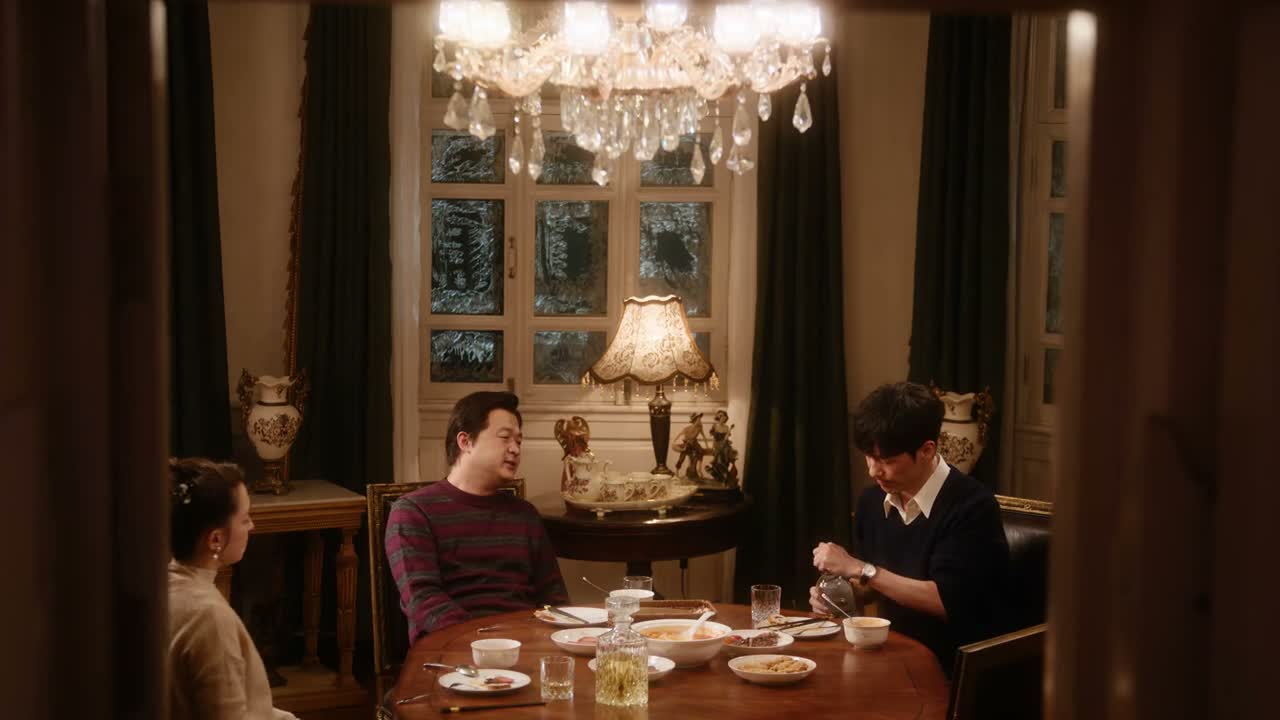
“just somehow worked out.”
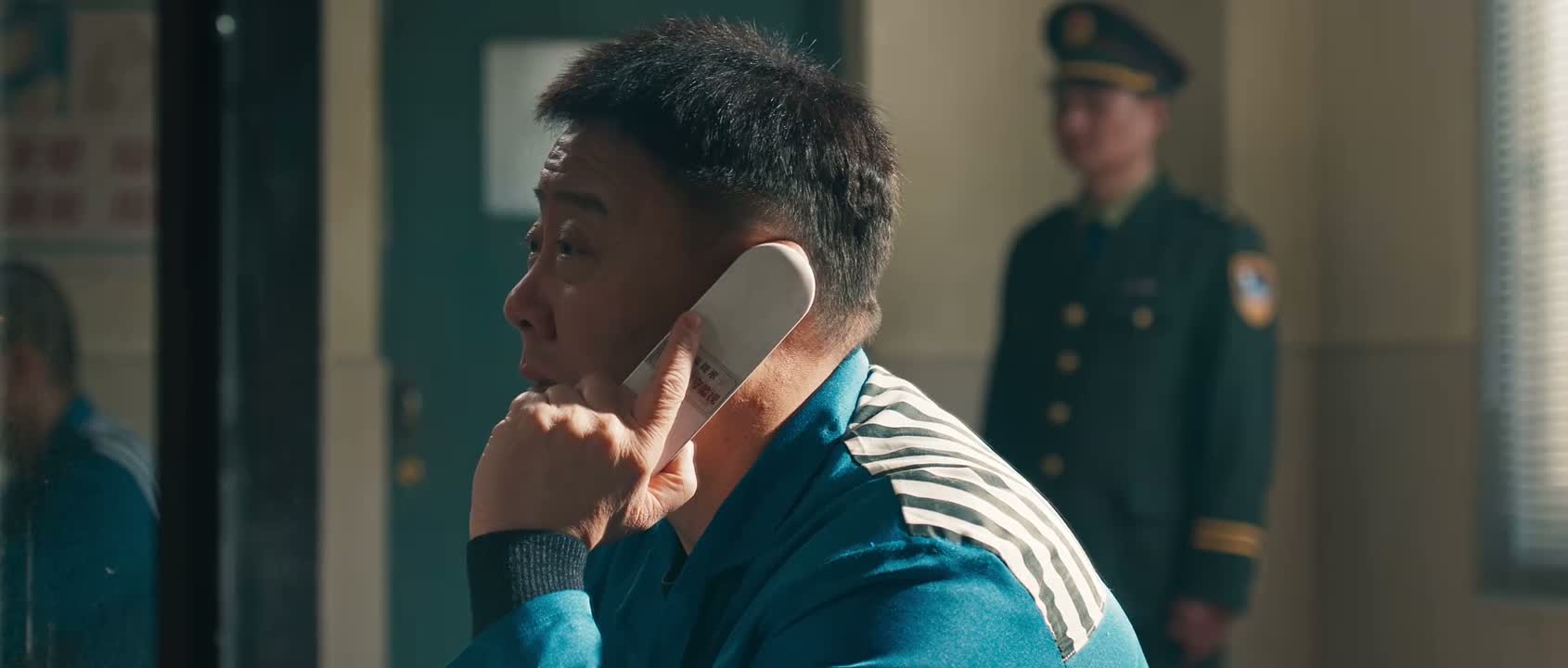
“If he's a muddled person,”

“I've been muddled lately. Yes, too tired.”
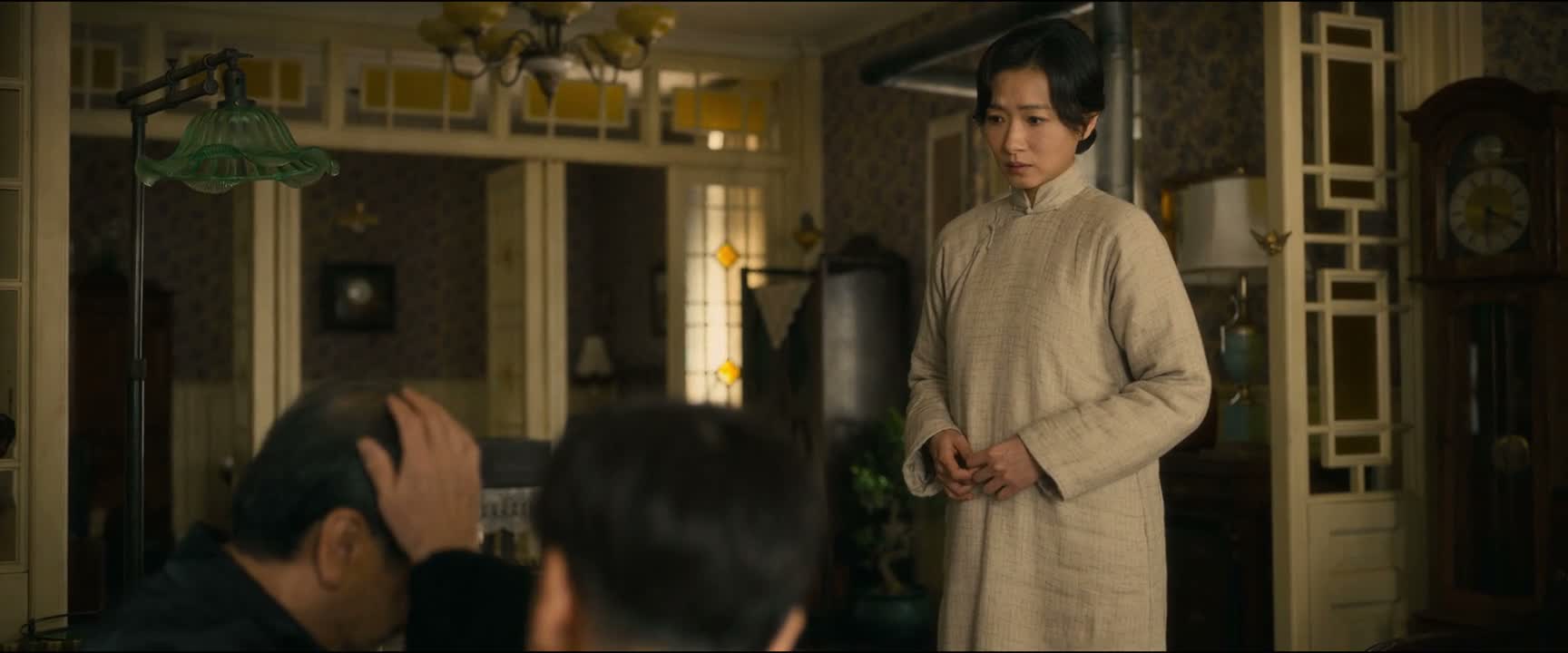
“Why am I getting more and more muddled?”