在老祖宗 您眼皮子底下跑了
“He did that right under your nose?”
THE DIALOGUE REEL
跑了
“Escaped?”
在 老祖宗 您 眼皮子底下 跑了
“He did that right under your nose?”
本尊去到那儿的时候 他已经逃了
“When I got there, he had escaped.”
“How on earth did he get away when you were right there watching?”
In strict patriarchal or palace hierarchies, even when subordinates express shock or implicitly question a master's failure, they must punctuate the remark with extreme honorifics ('您', '老祖宗') to avoid charges of disrespect.
LEARNING CHUNKS & PARTICLES
right under someone's nose
Commonly used to describe an event or escape that happened directly in plain sight of someone in charge.
Old Ancestor (high honorific)
Used in historical contexts to address the supreme matriarch, patriarch, or powerful senior eunuch.
Marks the completed change of state regarding the target's unexpected escape.
VOCABULARY & EXPRESSIONS
Parallel Spoken Cinema Scenes (语义近邻切片)
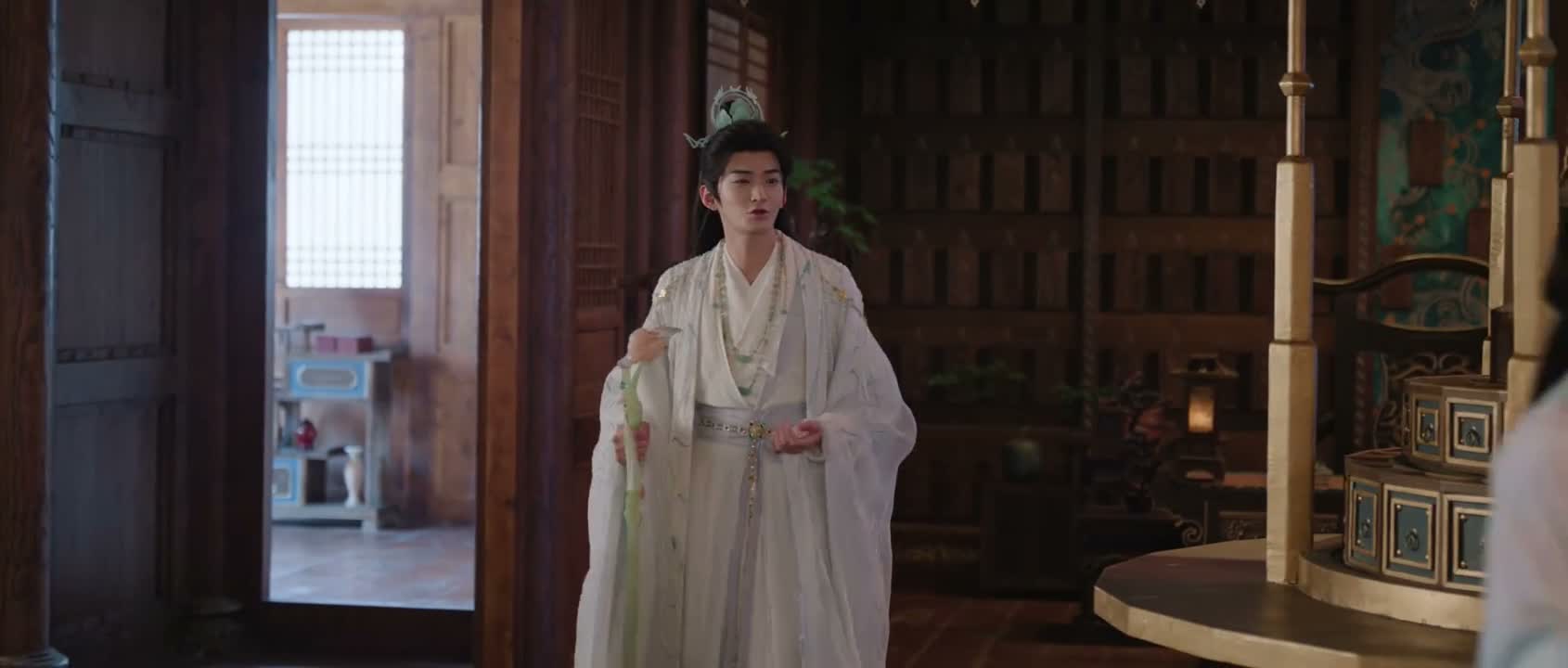
“Great Ancestor, where have you been?”

“Great Ancestor wouldn't allow such a thing to happen.”

“Great Ancestor, this isn't enough. Why did you get so little?”

“No wonder Great Ancestor fell for you.”
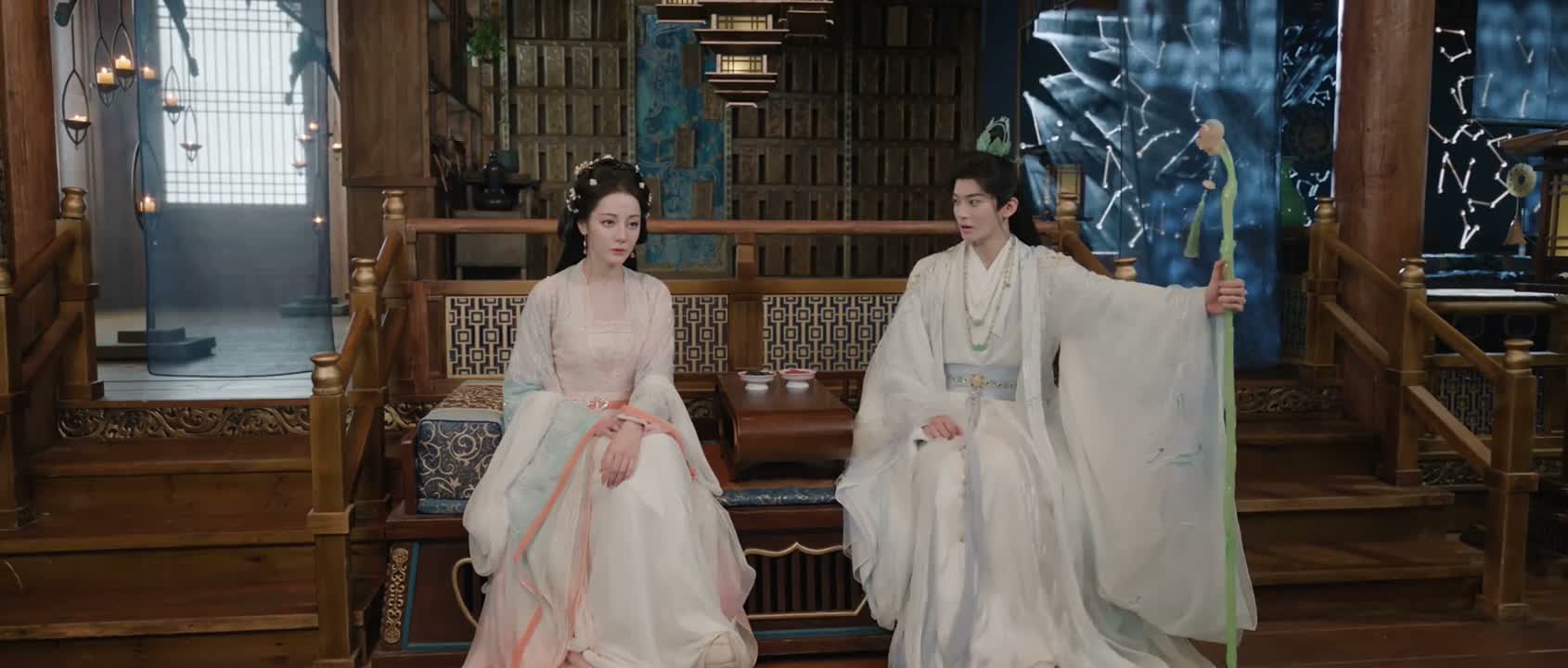
“But Great Ancestor, don't forget.”

“Grand Ancestor, long time no see. I thought you had forgotten me.”