让你下不来台 没面子
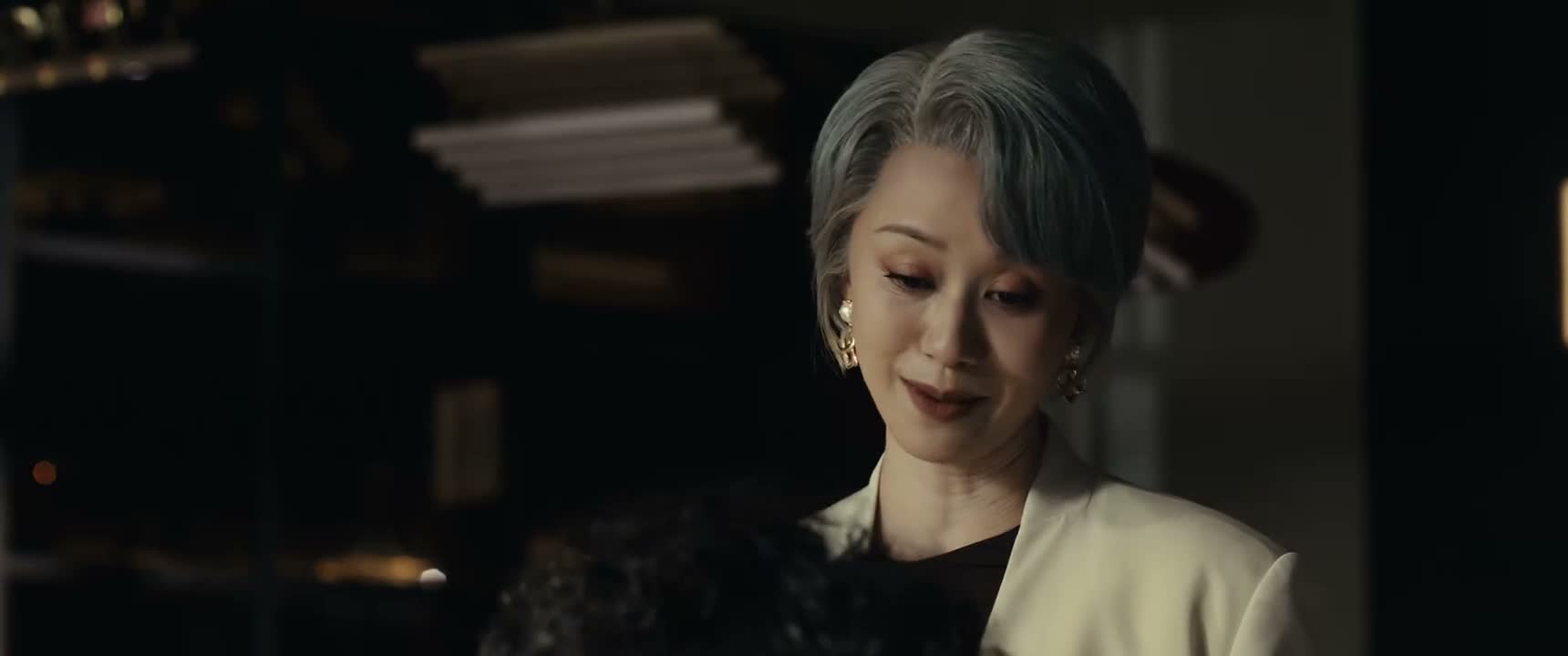
“I embarrassed you.”
THE DIALOGUE REEL
“I shouldn't have talked nonsense. In front of all those people,”
让你 下不来台 没面子
“I embarrassed you.”
今天我们是诚心地来给你道个歉 兄弟 来 拿着
“We're here to sincerely apologize. Bro, here. Take it.”
Direct spoken expression in this communicative setting.
In Chinese social interactions, humiliating someone in front of a crowd ('当着人') strips them of 'mianzi' (social face). A sincere apology requires naming the loss of face explicitly to symbolically restore their stature.
LEARNING CHUNKS & PARTICLES
put in an awkward or embarrassing spot; unable to save face
A core idiom used when someone is publicly cornered with no graceful exit.
to lose face; lacking dignity or social honor
Very frequently used to describe feeling socially discredited or disgraced in front of peers.
VOCABULARY & EXPRESSIONS
Parallel Spoken Cinema Scenes (语义近邻切片)

“You always embarrass me in public.”

“the higher-ups must feel embarrassed.”

“She just wants to embarrass me.”

“stuck in the middle,”

“Don't do it offstage with such low tactics.”
“You can't bring yourself to do it? Fine, I'll go.”