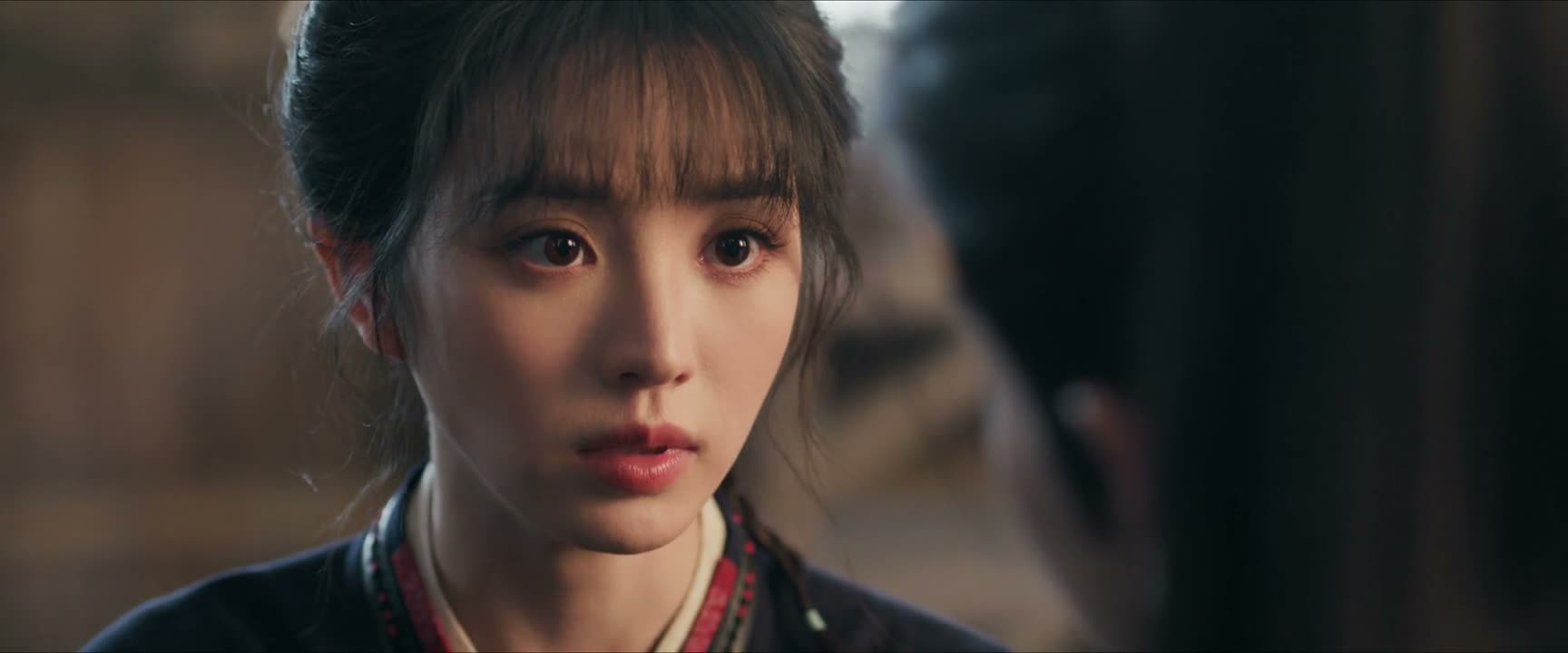
《Generation to Generation》 S1·E8 (36:18)
HSK 1
pà shì jīn shēng zài bù néng xiāng jiàn le
怕是今生再不能相见了
“I don't think we'll meet again.”
《Generation to Generation》
S1·E8
TIMECODE: 36:18
·
1080P MASTER AUDIO
THE DIALOGUE REEL
[-1] PREVIOUS TURN
zhè yī bié
这一别
“Once we part,”
pà shì jīn shēng zài bù néng xiāng jiàn le
CURRENT FOCUS
怕是 今生再不能相见 了
“I don't think we'll meet again.”
[+1] FOLLOW-UP TURN
zhāo zhāo
昭昭
“Zhao,”
Subtitles synced to millisecond timecode
Browse Show Clips →
Scene:
Social & Dating
Function:
EXPRESSING SORROW
Tone:
MELANCHOLIC AND POIGNANT
Emotion:
SORROW
WHAT THEY REALLY MEAN (PRAGMATIC SUBTEXT)
“I love you deeply, and it breaks my heart that this may be our final farewell.”
💡 Cultural Insight: Fatalism in Parting (Shengli Sibie)
In traditional Chinese narratives, lifetime separations carry tragic finality equivalent to death, often colored by fatalistic acceptance of destiny.
INTENT TAGS:
#farewell
#lament
#resignation
#devotion
🧩
3 CHUNKS · 1 PARTICLES
LEARNING CHUNKS & PARTICLES
怕是
SPOKEN CHUNK
I'm afraid that / most likely
A literary and spoken conjectural phrase used to hedge an unfortunate or grim prediction.
今生
SPOKEN CHUNK
this lifetime
Used in dramatic or emotional contexts to emphasize eternal vows or irreversible tragedies.
再不能
SPOKEN CHUNK
no longer able to / never again
Emphasizes the absolute impossibility of an action recurring in the future.
Modal Particle「了」 (le)
CHANGE OF STATE
Marks the irrevocable change of situation leading to absolute separation.
🏮
2 EXPR · 10 GRAMMAR
VOCABULARY & EXPRESSIONS
CROSS-CINEMA CORPUS BOARD · PARALLEL SCENES
EXPLORE BY SEMANTIC SIMILARITY
Parallel Spoken Cinema Scenes (语义近邻切片)

《Generation to Generation》 S1·E8 (36:18) · Authentic Cinema Dialogue Corpus