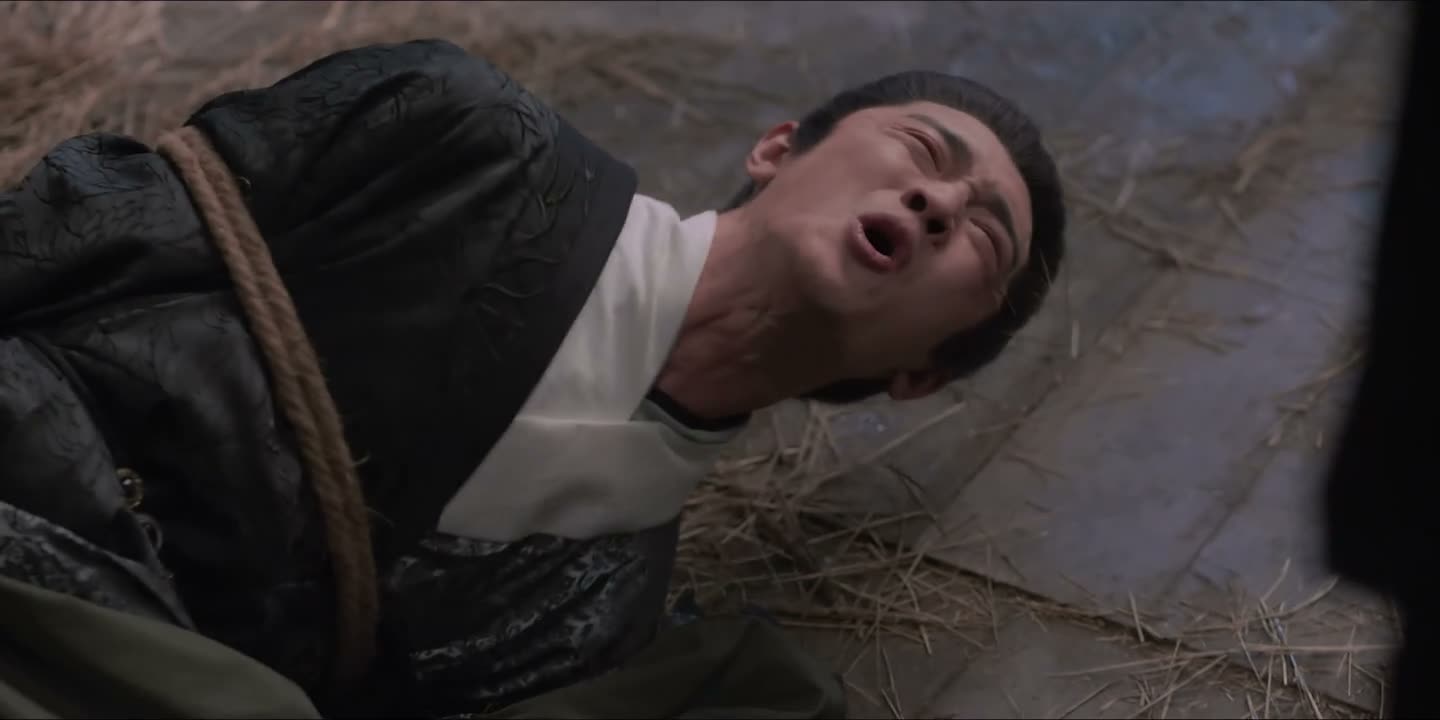
我就知道会有这一天 为何要恨
“I knew this day would come. Why should I harbor hatred towards you?”
THE DIALOGUE REEL
从做下那些杀人害命的事起
“From the moment I did those deadly deeds,”
我就知道 会有这一天 为何要 恨
“I knew this day would come. Why should I harbor hatred towards you?”
九娘子既肯在堂上 成全我说出当年冤案
“Miss Qin, since you were willing to help me reveal the injustice from back then in court,”
Direct spoken expression in this communicative setting.
Chinese cultural narratives often emphasize that wrongdoing inevitably brings karmic reckoning, leading perpetrators to accept their fate without resentment when caught.
LEARNING CHUNKS & PARTICLES
I knew it all along
Use to confirm that an outcome matches one's long-held expectations or predictions.
a day like this would come
Commonly used when an inevitable, often negative or fateful, reckoning finally arrives.
why should (one)...
A rhetorical question structure used to dismiss the need or reason for a particular feeling or action.
VOCABULARY & EXPRESSIONS
Parallel Spoken Cinema Scenes (语义近邻切片)

“But I hated him every day.”

“That day will definitely come.”

“you knew this day would come.”

“I've hated his guts every day.”

“I couldn't have lived to this very moment”
“Do you know how much I've held this grudge?”