我没事 谢谢你 救了我家娘子
“♪ That would be the best ending for love ♪ I'm alright. Thank you for saving Her Ladyship.”
THE DIALOGUE REEL
“Don't you know who I am? ♪ That would be the best ending for love ♪ Don't worry, I'm fine.”
我没事 谢谢你 救了我家娘子
“♪ That would be the best ending for love ♪ I'm alright. Thank you for saving Her Ladyship.”
应该的
“It's what I should do.”
Direct spoken expression in this communicative setting.
In traditional Chinese culture, saving someone's family member warrants profound gratitude, as family welfare is viewed as inextricably bound to one's own.
LEARNING CHUNKS & PARTICLES
I'm fine / I'm okay
A standard, essential reassurance given after an accident, scare, or dangerous incident.
my wife
A traditional, historical term used by a husband to refer affectionately and respectfully to his wife.
thank you
The universal Chinese expression of gratitude.
Marks completion of the action 'to save' (救), indicating the successful rescue.
VOCABULARY & EXPRESSIONS
Parallel Spoken Cinema Scenes (语义近邻切片)

“You should thank your lady. She just saved your life.”

“I'm fine, my lady.”
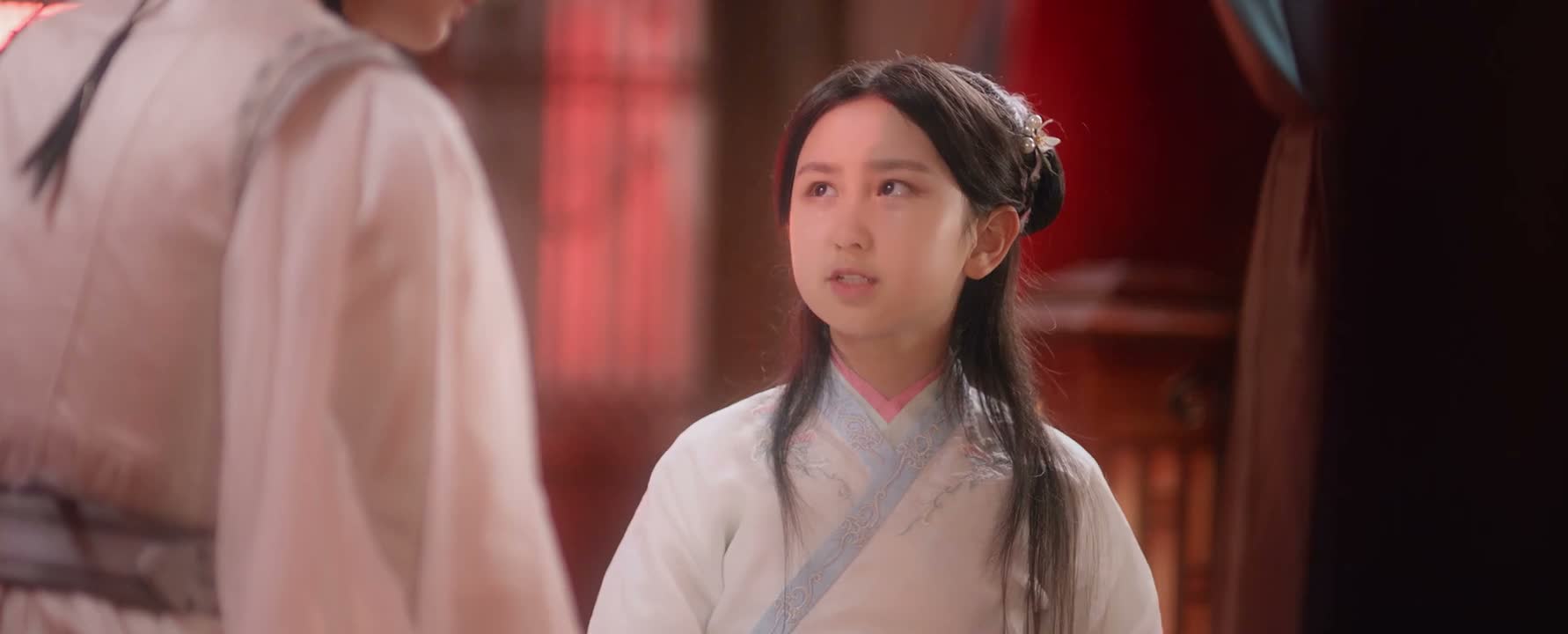
“Isn't my mother all right now?”

“now is not the time to save her.”

“She's fine. What do you want? Then I'm relieved.”

“I'm fine. I can do this.”