也不看看我是谁 放心吧 没问题
“Don't you know who I am? ♪ That would be the best ending for love ♪ Don't worry, I'm fine.”
THE DIALOGUE REEL
“♪ And walk through this journey with me ♪ Chi. Are you hurt? Are you okay?”
也不看看我是谁 放心吧 没问题
“Don't you know who I am? ♪ That would be the best ending for love ♪ Don't worry, I'm fine.”
“♪ That would be the best ending for love ♪ I'm alright. Thank you for saving Her Ladyship.”
“You don't need to fuss over me—I am more than capable of handling this.”
Chinese speakers often downplay their own injuries or hardships through lighthearted boasting to prevent loved ones from feeling guilty or anxious.
LEARNING CHUNKS & PARTICLES
Look who you're talking to; Don't you know what I'm capable of?
A very common colloquial boast used teasingly among close friends to dismiss concern about a task or challenge.
rest assured; don't worry
Standard conversational chunk used to console, comfort, or eliminate another person's doubts.
Softens the imperative 'relax' into an encouraging reassurance.
VOCABULARY & EXPRESSIONS
Parallel Spoken Cinema Scenes (语义近邻切片)

“No one is normal in your eyes, right? If you think I have a problem,”

“You don't know who I am.”

“Why… Why can't I see?”

“I'll check. Who are you? What's it to you?”

“- If not you, who? - Can you prove it?”
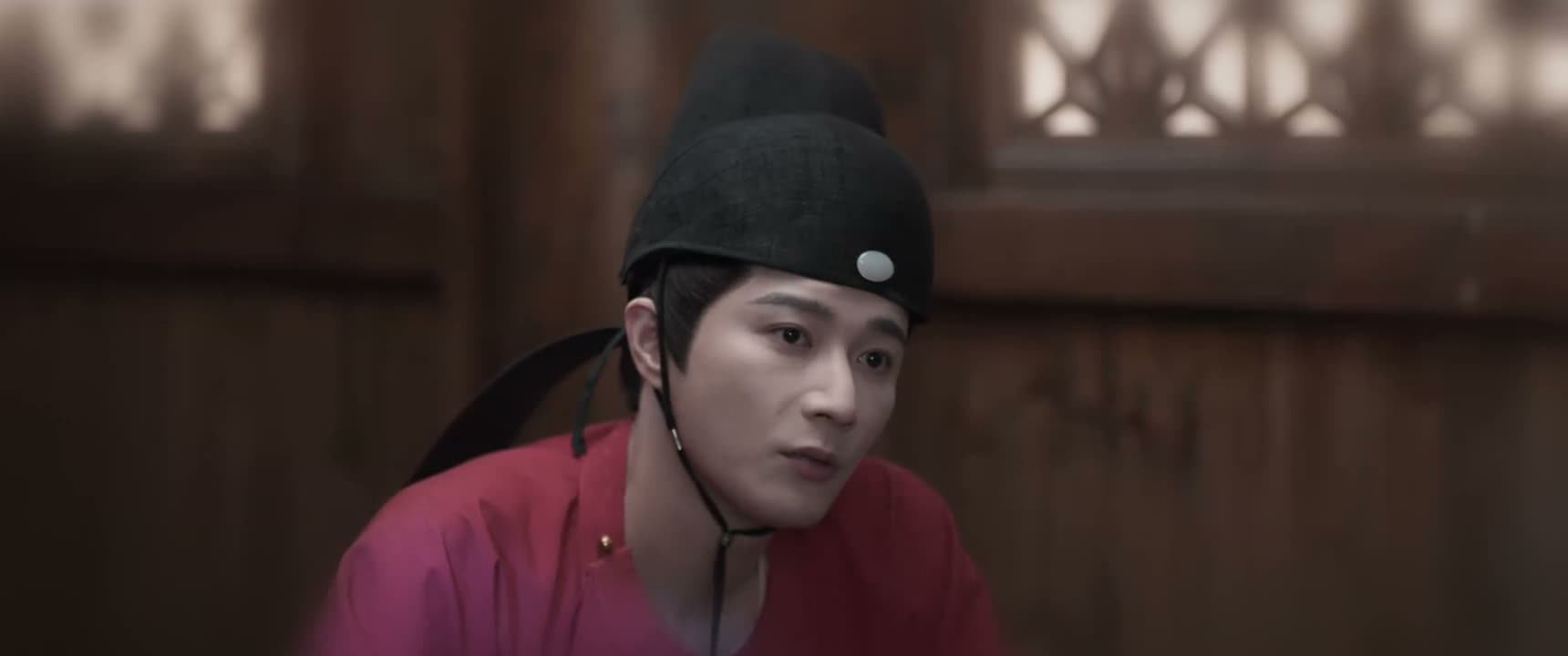
“Don't you know who I am?”