我没事 真的没事 我可以的
“I'm fine. I can do this.”
THE DIALOGUE REEL
周总 赵总
“Mr. Zhou, Mr. Zhao,”
我没事 真的 没事 我可以的
“I'm fine. I can do this.”
这段时间连续加班 大家很辛苦 也都有怨言
“You have been working overtime all this while. I'm sure it's been tough on you guys. I'm sure you have plenty of complaints.”
“I'm barely hanging on, but I can't let leadership think I can't take the pressure.”
In high-pressure Chinese workplaces, openly admitting physical weakness or burnout in front of bosses is often avoided; employees are expected to demonstrate stamina ('吃苦耐劳') and project a 'can-do' attitude.
LEARNING CHUNKS & PARTICLES
I am fine / nothing is wrong
A frequent automatic reassurance formula often uttered even when someone is noticeably struggling.
I can do this / I can handle it
Used to project self-assurance, determination, or to convince superiors of one's capability under stress.
Functions at the end of the clause to express certainty and firm conviction about one's own ability.
VOCABULARY & EXPRESSIONS
Parallel Spoken Cinema Scenes (语义近邻切片)

“I'm fine. I'm fine.”

“I'm fine, I'm fine.”

“I'm really fine. I even gained weight. You can tell.”

“I'm fine. My arm strength is pretty good.”

“I'm fine. Don't worry.”

“Is everything really okay? I'm fine. What could be wrong?”

“I'm fine. I'm doing great. I'm already awake.”
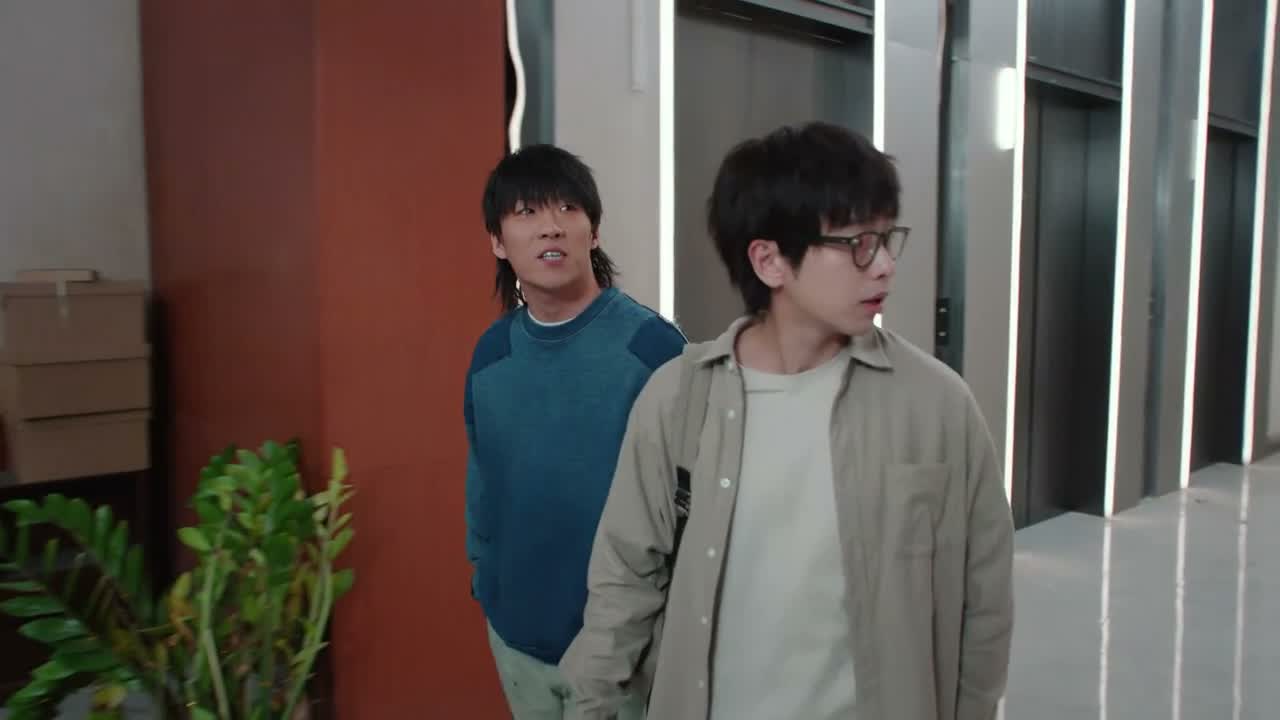
“but it's fine. I can live with it.”

“Exactly. I really don't mind. Let's go. Off we go.”
“Are you okay? I'm fine. I can hold on.”