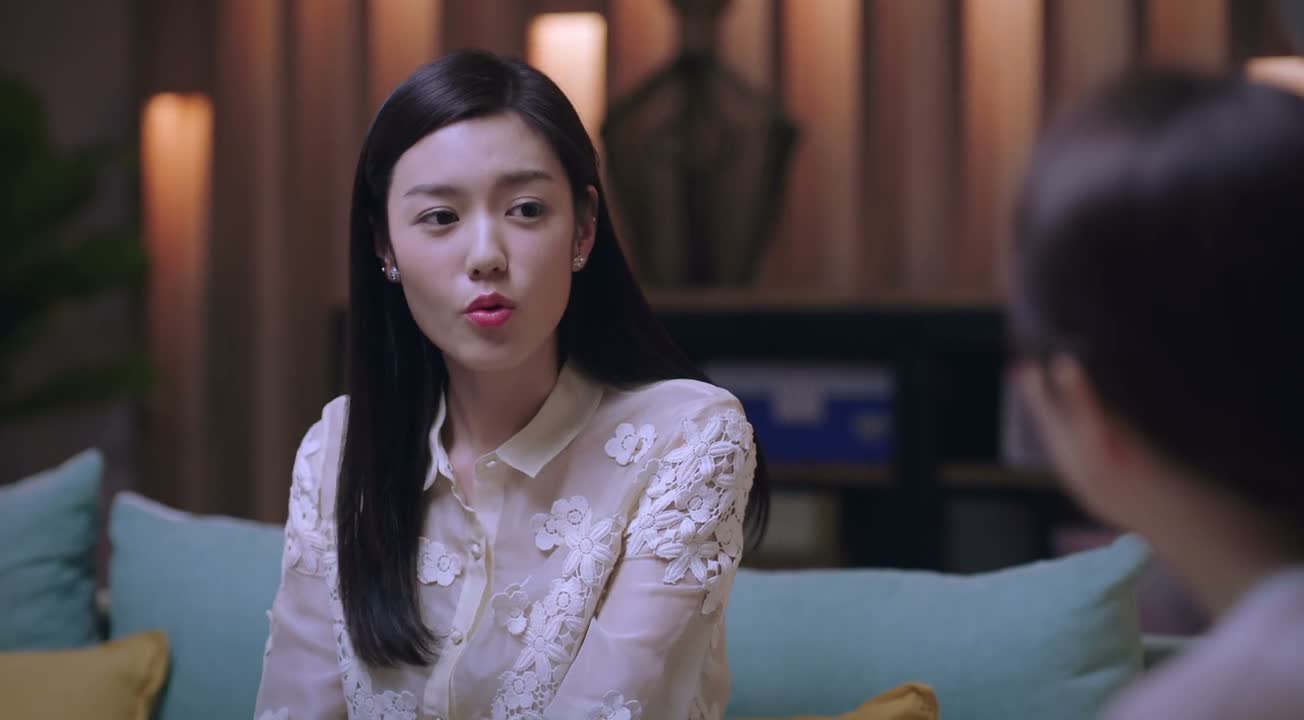
阿璃我错了 你别生气
“Li, I was wrong. Please don't be angry.”
THE DIALOGUE REEL
阿璃
“Li, I was wrong.”
阿璃 我错了 你别生气
“Li, I was wrong. Please don't be angry.”
“You refused to speak to me and I had no choice.”
Direct spoken expression in this communicative setting.
In Chinese romantic dynamics, quickly admitting fault ('hong') regardless of complex logic is often expected to validate a partner's feelings and restore emotional harmony.
LEARNING CHUNKS & PARTICLES
I was wrong / My bad
A direct admission of fault commonly used between intimate partners, friends, or family to de-escalate tension.
Don't be angry / Don't take it to heart
Used to soothe someone who is upset or offended, functioning as an emotional pacifier.
VOCABULARY & EXPRESSIONS
Parallel Spoken Cinema Scenes (语义近邻切片)
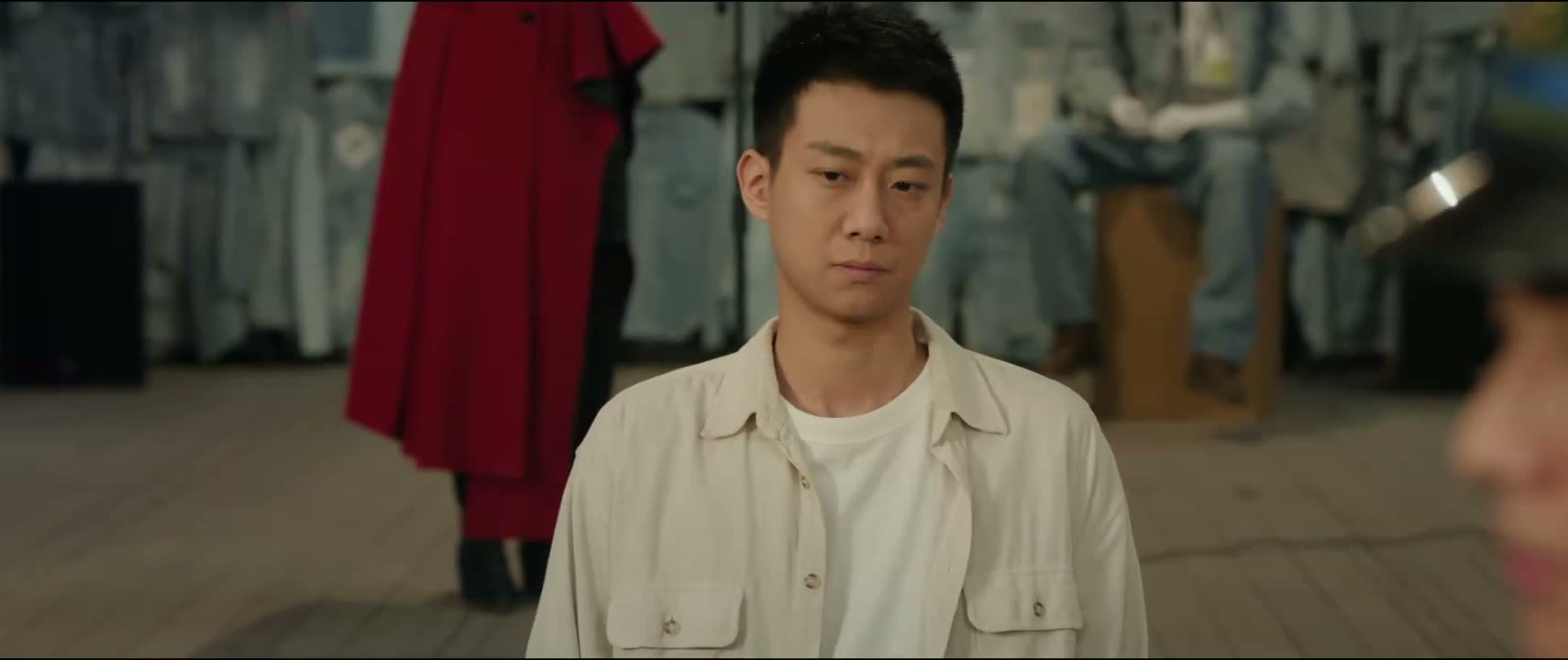
“I'm so sorry! Sorry!”
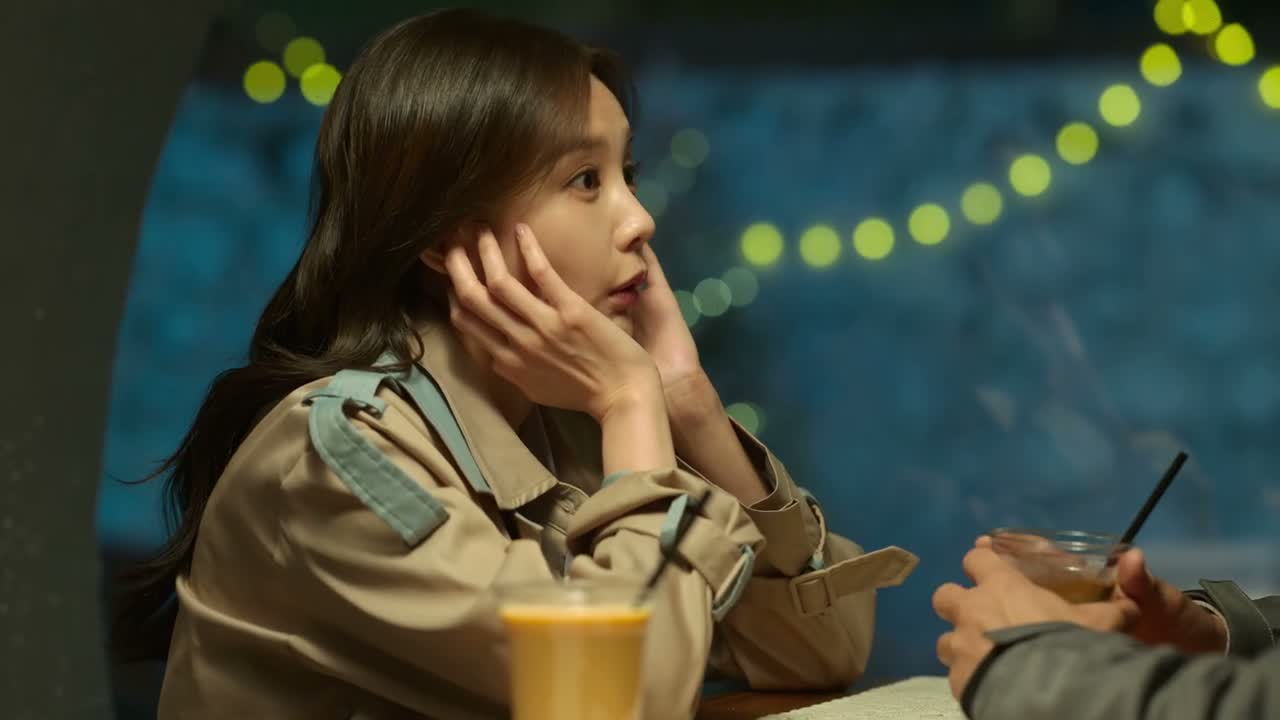
“I was wrong. My bad.”
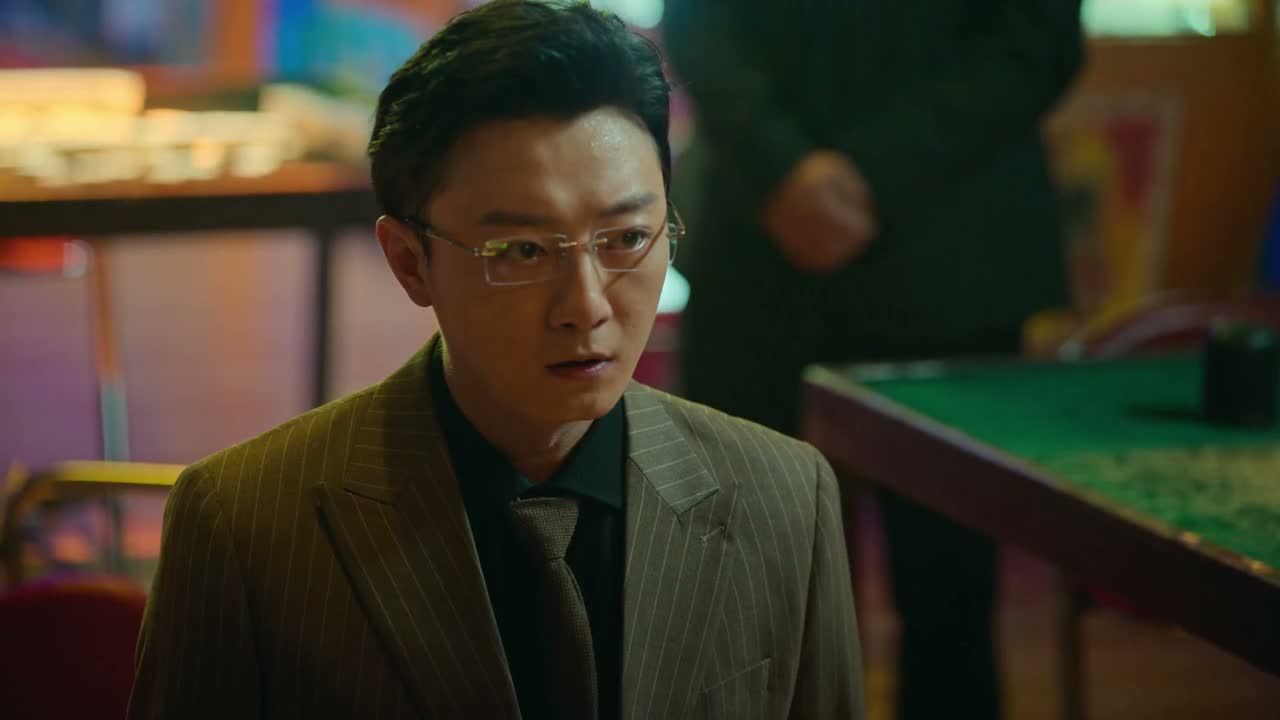
“Brother, I was wrong.”

“Mr. Zheng, I was wrong! I lost my mind.”
“I'm sorry. I... I was wrong. Bro, I was wrong.”
“but if I have, please don't be offended.”