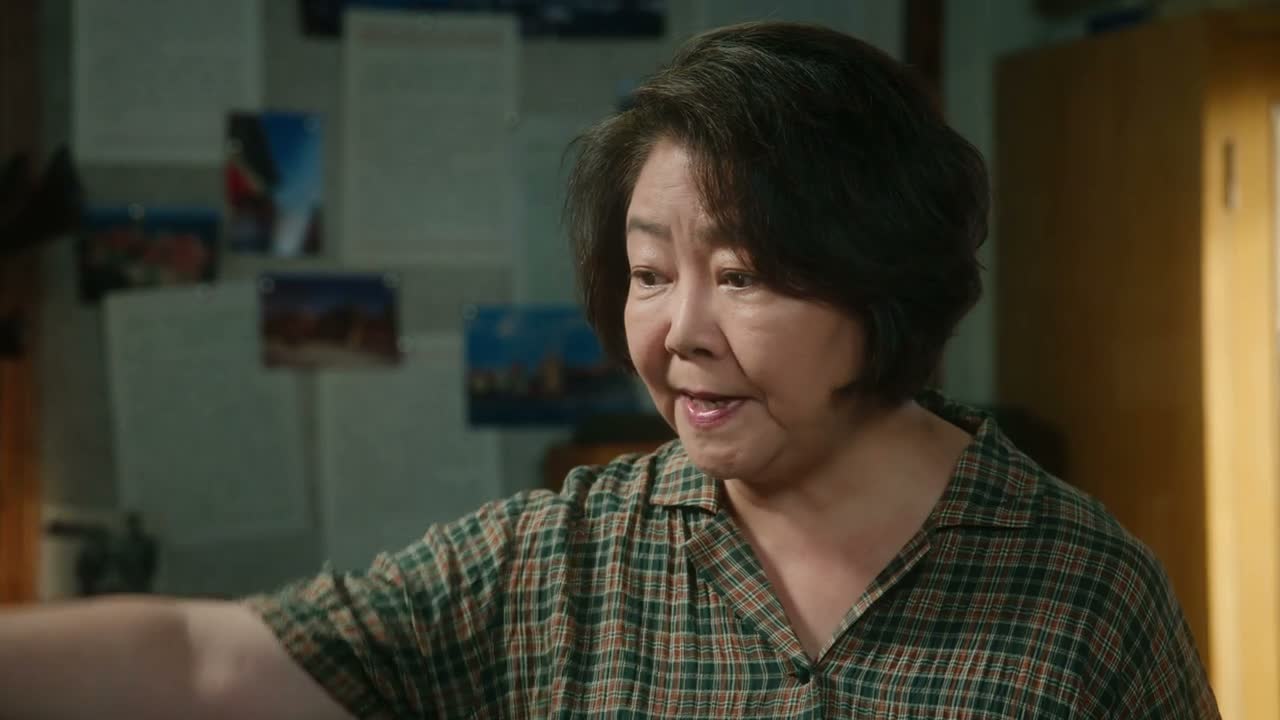
不是你气呼呼地跑来质问我吗
“Weren't you the one who came angrily to question me?”
THE DIALOGUE REEL
不许动
“Don't move.”
不是 你 气呼呼 地跑来 质问我 吗
“Weren't you the one who came angrily to question me?”
怎么又不听我解释
“Why refuse to listen to me?”
“You came here picking a fight, and now you won't even let me explain myself!”
In personal disputes, using '不是你...吗' turns the focus back onto the other person's contradictory behavior to gain the moral high ground.
LEARNING CHUNKS & PARTICLES
angrily / huffing and puffing
A vivid adverbial reduplication describing someone visibly fuming or acting out of irritation.
to confront / to interrogate / to question sharply
Use this formal verb when someone is aggressively demanding an explanation or accountability.
Forms a rhetorical question that prompts the listener to acknowledge an obvious fact.
VOCABULARY & EXPRESSIONS
Parallel Spoken Cinema Scenes (语义近邻切片)

“What gives you the right to question me?”

“What gives you the right to question me?”
“Didn't you drive him away?”

“I didn't come here to question you.”

“You can't come here!”

“Wait. You haven't answered.”