王妃何必动怒嘛
“Why are you so angry? Calm down.”
THE DIALOGUE REEL
你有没有听我说话
“Are you even listening to me?”
王妃 何必动怒 嘛
“Why are you so angry? Calm down.”
“Why are you so angry? Calm down. Come on, cheers.”
“Calm down and stop nagging me about this; let us just drink and move on.”
In Chinese interpersonal interactions, superiors or partners often use soft rhetorical markers and toast invitations to gloss over grievances without admitting fault.
LEARNING CHUNKS & PARTICLES
why must / there is no need to
A rhetorical adverb used to challenge the necessity of an action or emotional reaction in a mildly dismissive way.
become angry / lose one's temper
A more formal and elevated alternative to 生气, frequently found in historical drama dialogue.
Softens the rhetorical question into an affectionate or cajoling appeal, reducing conversational friction.
VOCABULARY & EXPRESSIONS
Parallel Spoken Cinema Scenes (语义近邻切片)
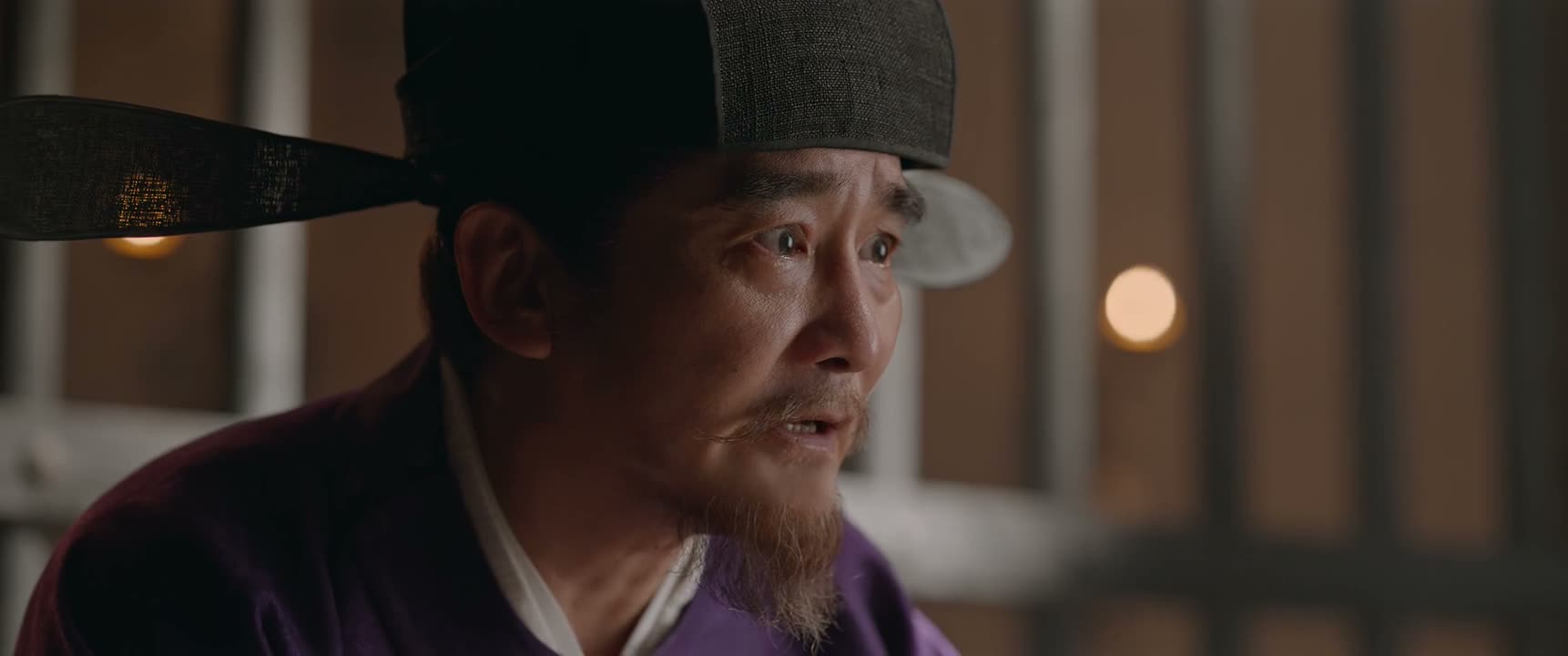
“Your Highness, what are you up to?”
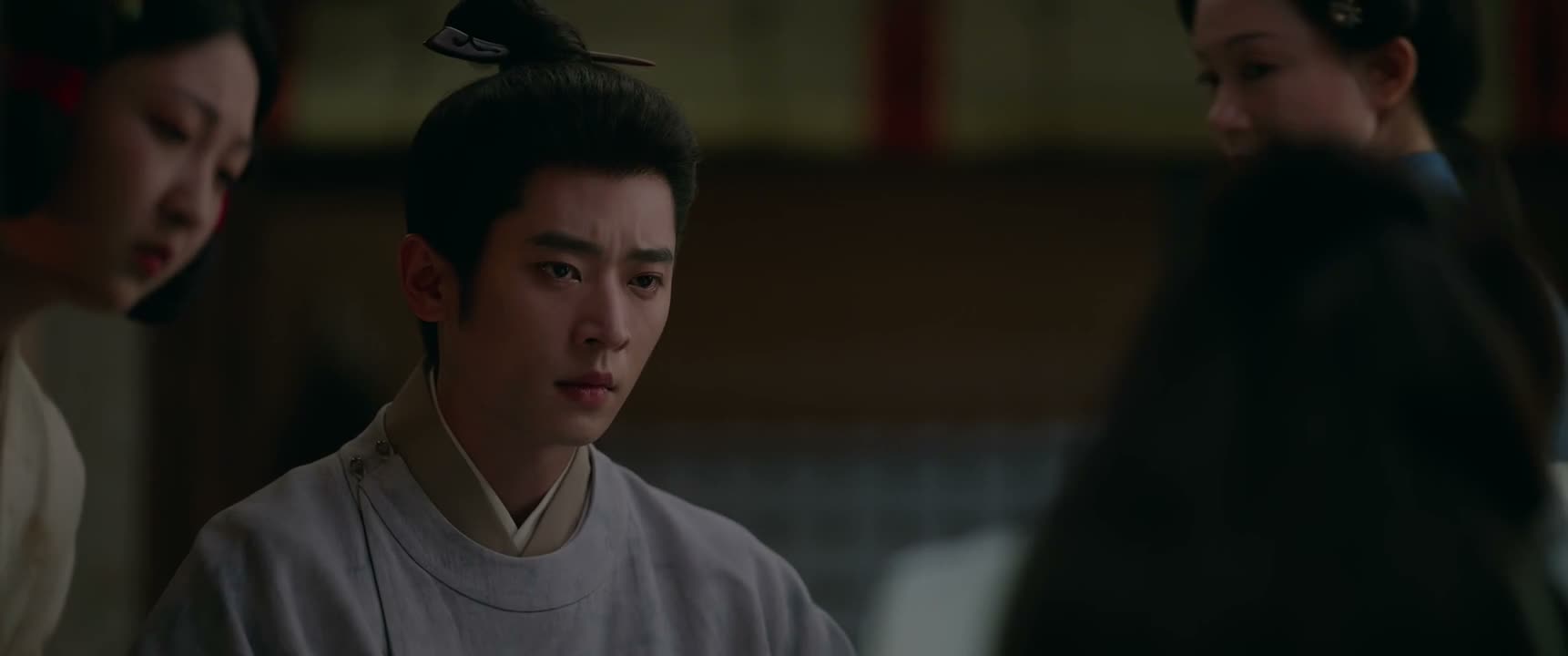
“Your Highness, are you alright?”
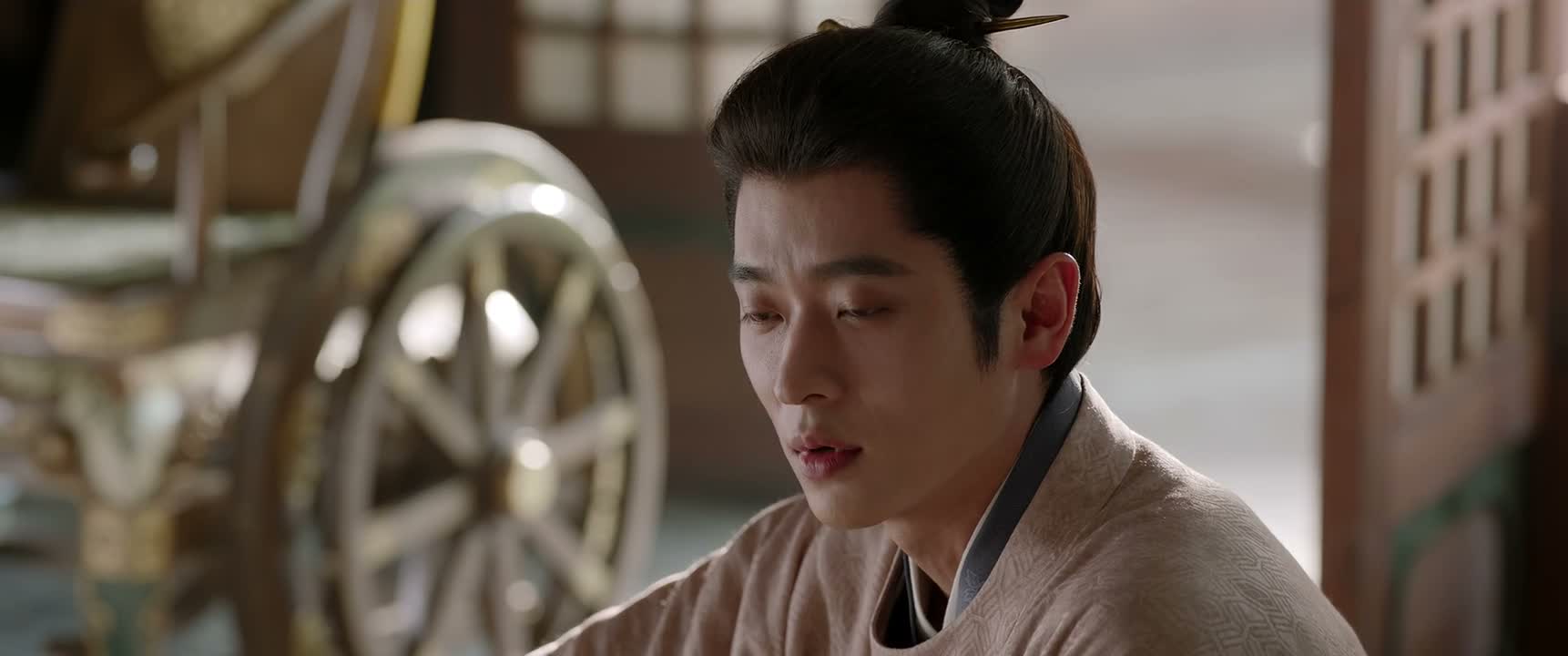
“That's rather stingy of you.”
“Your Highness, what are you doing?”
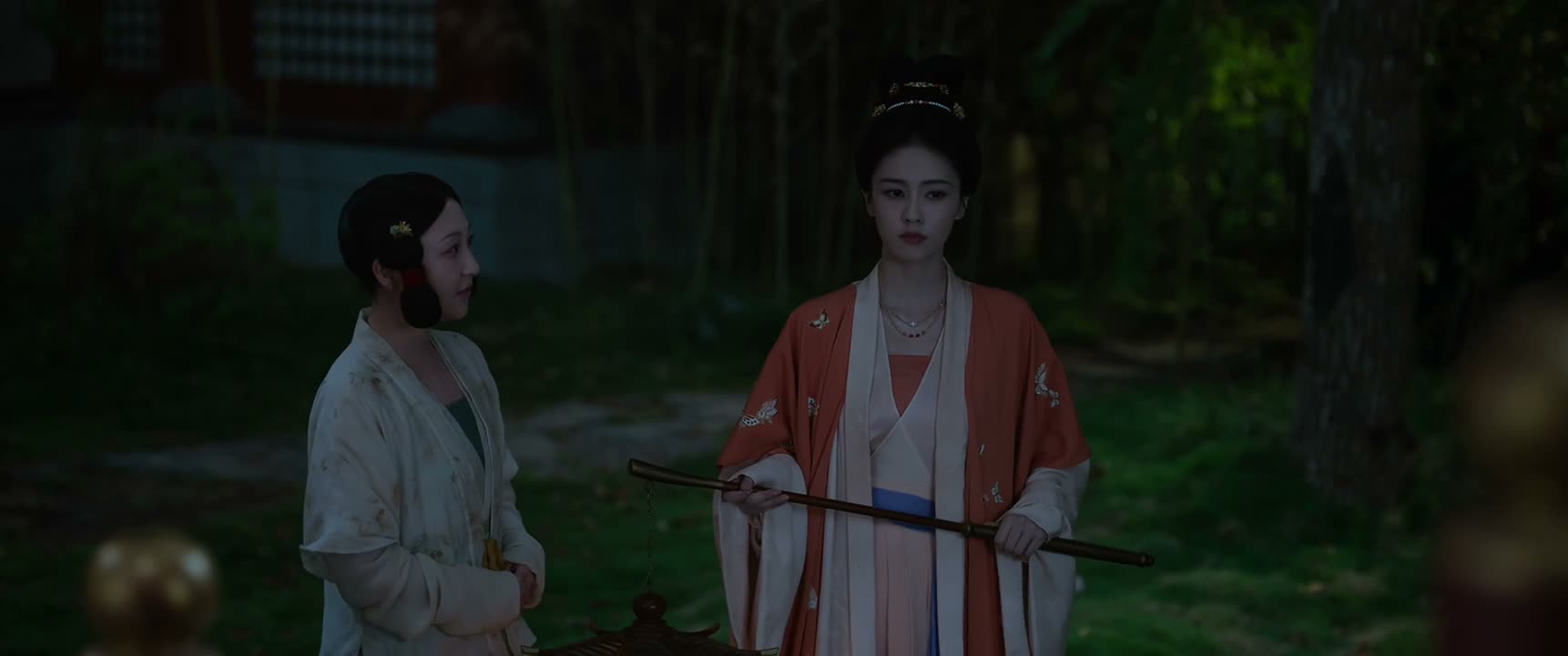
“Your Highness, what are you looking at?”
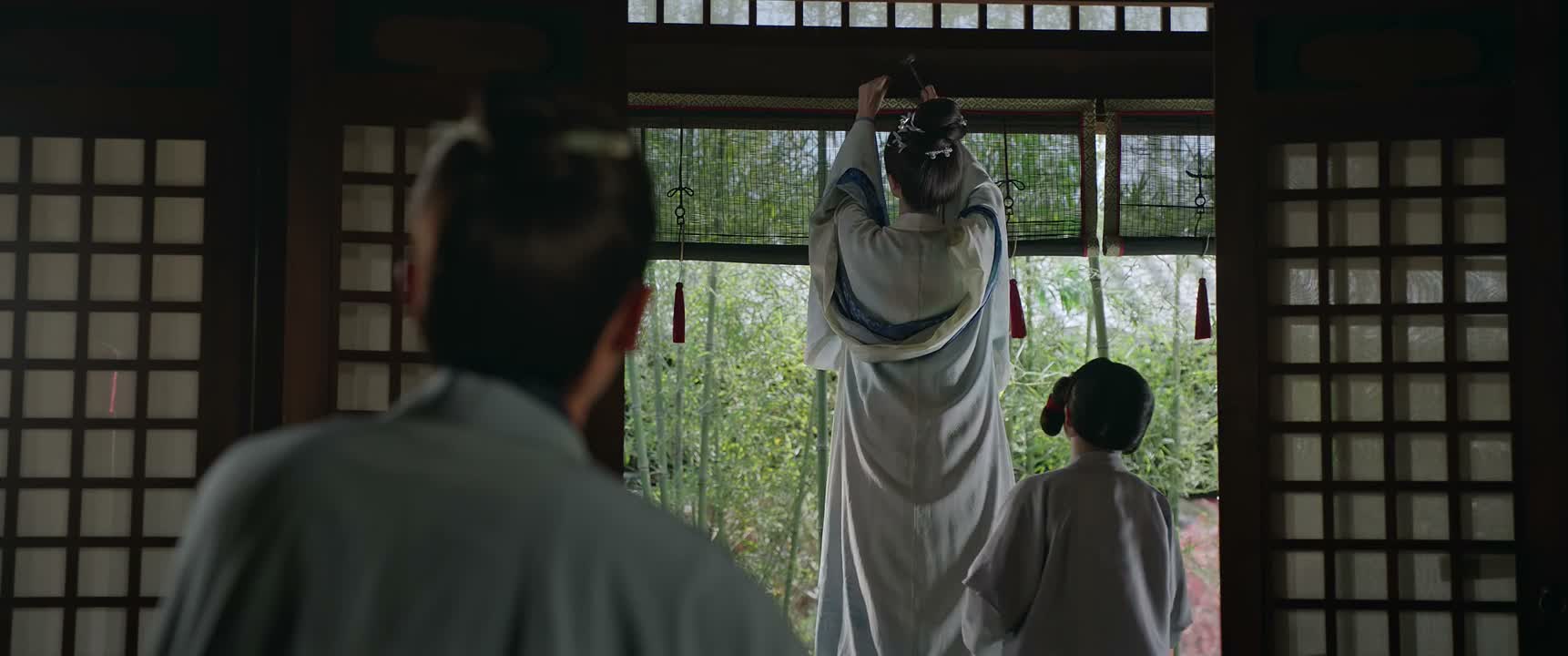
“Your Highness, perhaps I should do it?”